Permits for Apartments Drop 23% Will Rents Start Climbing?
Lisa Mailhot | August 14, 2025
Buyers
Lisa Mailhot | August 14, 2025
Buyers
Disclaimer: This blog is for informational purposes only and may reference third-party sources, including quotes or data used verbatim with proper credit. All efforts are made to ensure originality and avoid plagiarism. Readers should verify details independently and consult a licensed professional before making real estate decisions.
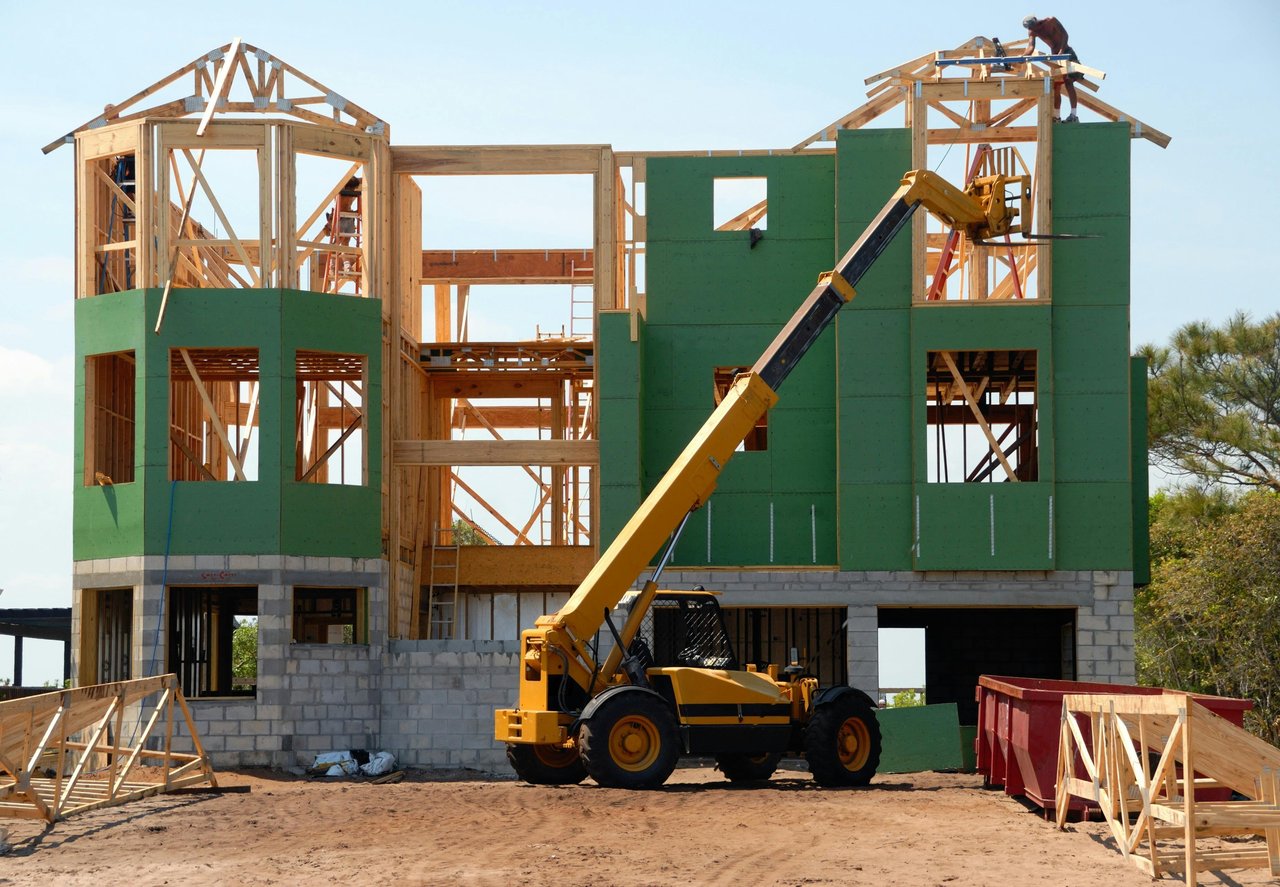
“Developers obtained permits to build 12.8 multifamily housing units for every 10,000 people in the U.S. over the past year—down from an average of 16.7 during the pandemic building boom.” (Katz, 2025) That’s roughly a 23 percent comedown from the boom and a touch below the pre-pandemic norm, signaling fewer fresh apartments in the near-term pipeline.
During the pandemic, remote work let many households relocate, pushing up rental demand and spurring a wave of construction. Completions then surged in 2024, vacancies rose, and rent growth softened—while borrowing costs climbed. That one-two punch made new projects tougher to pencil. Now the tide may be turning: “Rents have been falling or flat for much of the past two years, but last month, the median asking rent rose 1.7% from a year earlier.” And as Redfin Senior Economist Sheharyar Bokhari notes, “Asking rents may now be ticking up because the pool of new apartments renters have to choose from is shrinking while demand for rentals is growing.” (Katz, 2025)
“North Port, FL and Austin are issuing more multifamily permits than any other metros Redfin analyzed, while Stockton, CA and Bakersfield, CA are issuing the fewest.” (Katz, 2025) Beyond the headline, the table shows strong recent permitting in places like Cape Coral, Raleigh, and Columbus, while several Western metros have slowed materially. As the report puts it, “It’s actually metros in the West that are currently leading the decline in multifamily permits.” (Katz, 2025)
Renters: If fewer projects start, today’s concessions may fade. Compare a 12–24 month rent outlook with ownership costs; even a small rate dip or seller credit can change the math.
Buyers: Thinning future rental supply can support demand for starter condos and townhomes. Lock a rate strategy (float-down, buydown, or re-fi plan) before shopping.
Sellers: Leaner new-rental options can funnel qualified buyers to move-in-ready homes near jobs, transit, and top schools. Maximize presentation and pricing precision.
Investors: Underwrite conservatively on rates, taxes, and insurance, but watch for firmer effective rents as deliveries ebb. Submarkets with high incomes and limited pipelines stand out.
The West’s slowdown matters locally. In the most recent year of data, major nearby metros posted modest multifamily permitting relative to the boom: Los Angeles at 9.7 permits per 10,000 people, San Diego 23.6, Riverside 8.4, San Jose 4.6, San Francisco 9.3, and Sacramento 10.5, with Stockton at 0 and Bakersfield at 0.9. (Katz, 2025) A slimmer SoCal pipeline can gradually firm rents and keep for-sale demand resilient in well-located Orange County neighborhoods—especially for renovated homes, townhomes, and condos that offer payment stability versus rising rents.
Findings come from a Redfin analysis of U.S. Census Bureau building-permit data for multifamily properties with five or more units. “Past year” reflects the average monthly figure from July 2024 through June 2025; “pandemic period” averages July 2020–June 2023; “pre-pandemic” averages July 2014–June 2020. (Katz, 2025)
Permits are down, supply is set to thin, and demand isn’t going away. If you’re weighing a move, trade-up, downsize, or investment, let’s tailor a data-driven plan to your timing and goals. Whitestone Real Estate can help you navigate rates, pricing, and neighborhoods so you can act confidently in today’s shifting market.
Reference: Katz, L. (2025, August 14). Permits to Build U.S. Apartments Have Fallen 23% Since the Pandemic Construction Boom. Redfin News.
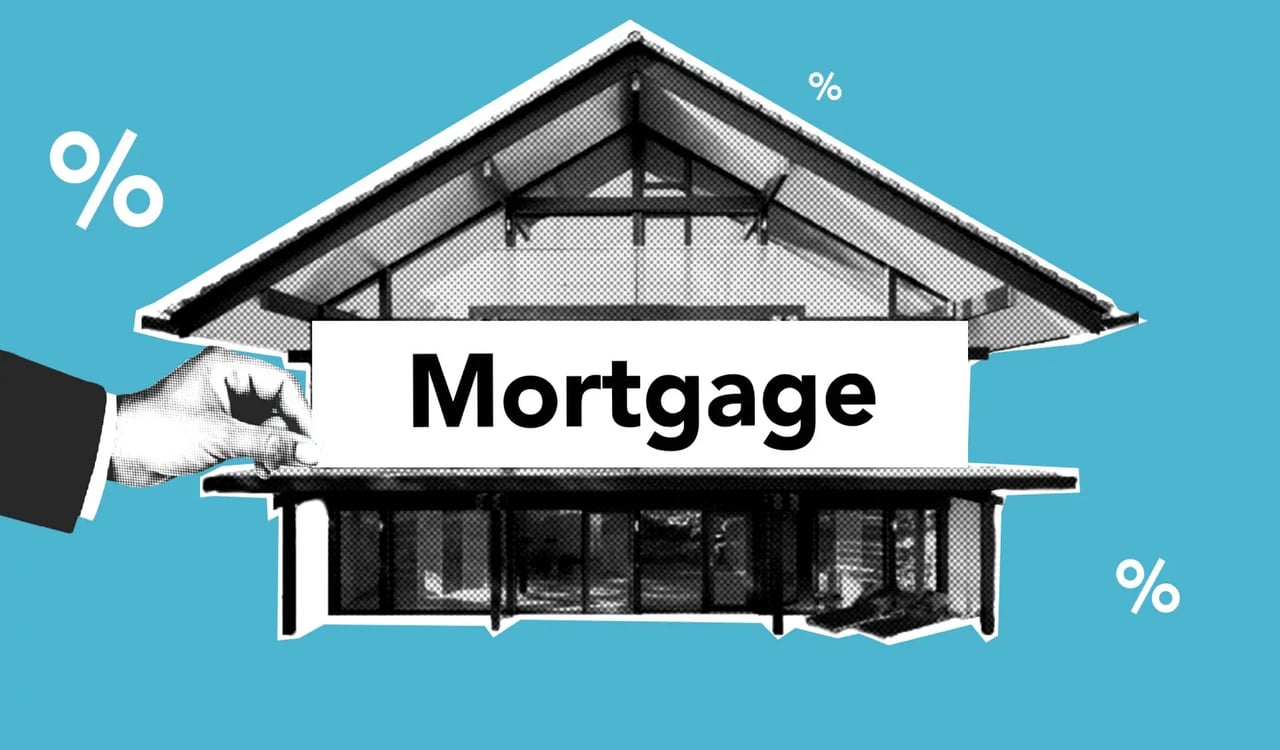
Portable mortgages are back in Congress, but experts see big hurdles. Here is what Orange County buyers and sellers should know.

Tropical Storm Rachel flooded Newport Beach’s Balboa Peninsula. Here is what Orange County buyers and sellers should know about coastal living.

Record heat, wildfires and rising insurance costs are reshaping California moves. See what it means for Orange County buyers and sellers.
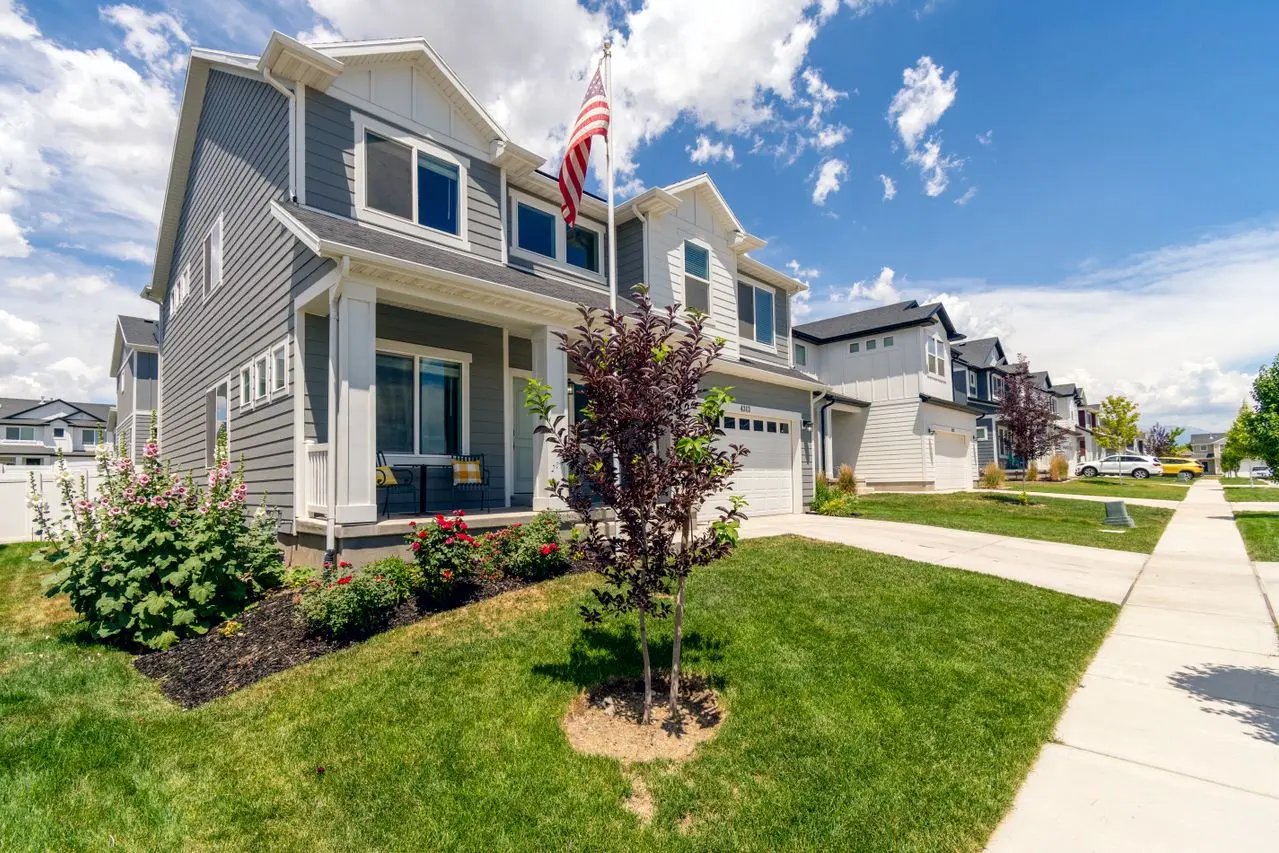
Rates above 7.5% are squeezing young voters. See what the affordability squeeze means for Orange County buyers and sellers.

Things to do in Orange County Oct 8 to 11, from Carnival Colossal and Margaret Cho to Irvine Global Village Festival and Chili at the Beach.

Price cuts hit a record September high nationwide. See what Redfin's new data means for Orange County buyers and sellers heading into fall.

The Irvine Global Village Festival turns 25 on Oct. 10 at the Great Park with global food, music, dance and family fun in Orange County.
Housing affordability hit a 21-year low as the Fed signals more rate hikes. Here is what Orange County buyers and sellers should know.

Ohana Festival returns to Doheny State Beach in Dana Point, September 25 to 27, with Pearl Jam, Maná and more. Your Orange County event guide.
Let's find a time that suits you best to chat about your goals, show you how we work, and figure out how we can help you the most
Get In Touch With Lisa

Broker Associate
949-877-7087
124 Tustin Ave Suite 200, Newport Beach, CA 92663