Are Rising Mortgage Rates Slowing the Housing Market?
Lisa Mailhot | May 28, 2025
Seller
Lisa Mailhot | May 28, 2025
Seller
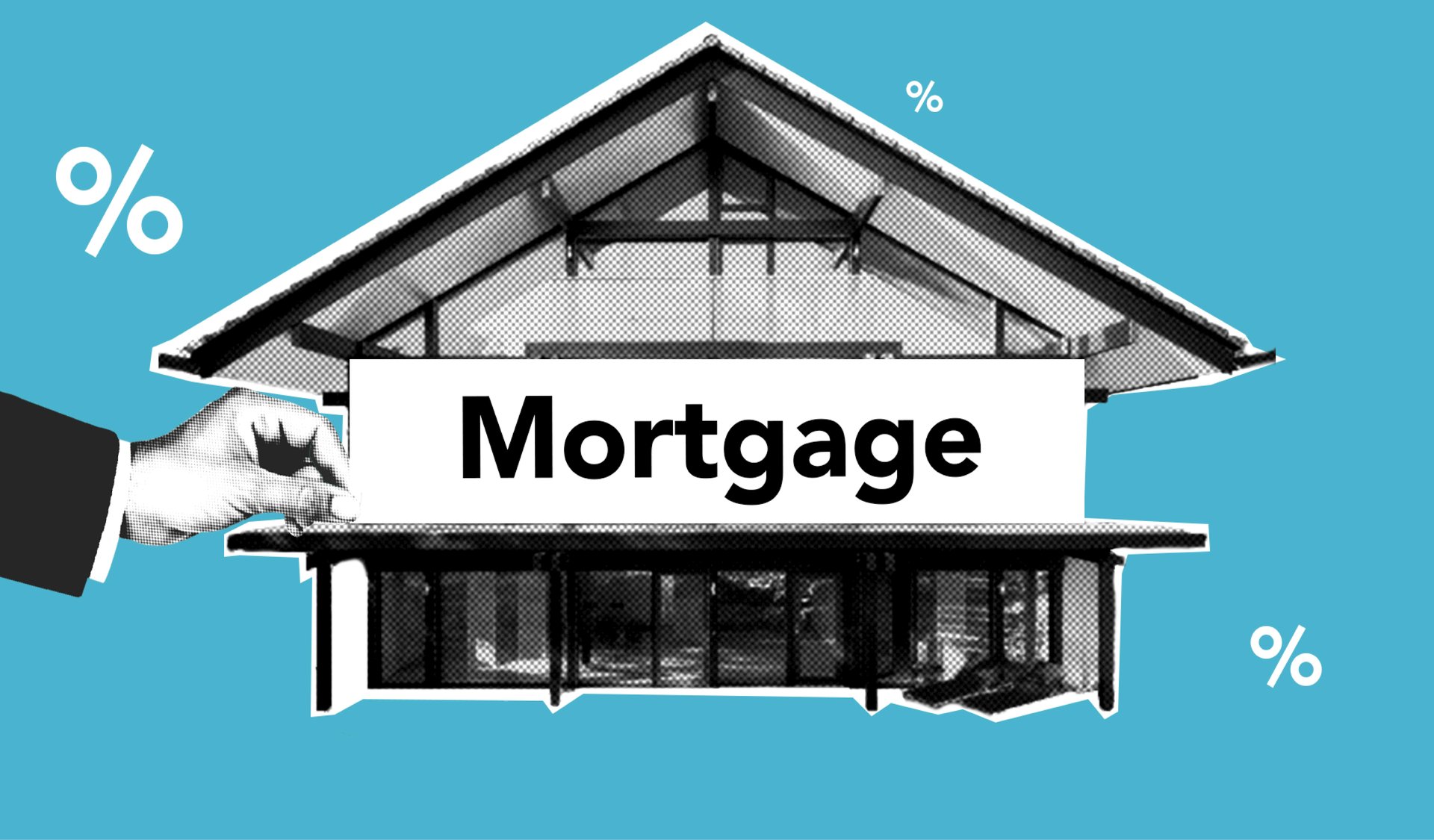
Mortgage applications fell by 1.2% for the week ending May 23, following a 5.1% drop the previous week. This marks the second straight week of decline, as “higher mortgage rates following a credit downgrade of U.S. debt weighed on buyer demand.” The dip was driven mainly by a 7% decrease in refinance activity, though purchase applications actually increased 3% on a seasonally adjusted basis.
The recent rise in mortgage rates came on the heels of a credit downgrade by Moody’s, which cited concerns over mounting federal debt. The U.S. House’s passage of the “One Big Beautiful Bill Act”—a budget reconciliation bill expected to significantly increase the national debt—further boosted Treasury yields, thereby lifting mortgage rates.
Joel Kan, MBA’s vice president and deputy chief economist, explained: “Mortgage rates reached its highest level since January, following higher Treasury yields.” The average rate for a 30-year fixed mortgage with conforming loan balances rose to 6.98%, up from 6.92% the previous week. Meanwhile, rates for jumbo loans slightly declined to 6.93%.
Other notable rate movements included:
FHA-backed 30-year fixed mortgages climbed to 6.66%
15-year fixed mortgages rose to 6.23%
Adjustable-rate mortgages (5/1 ARMs) increased to 6.22%
These rates reflect not just the base cost of borrowing but also market volatility tied to economic policy and investor sentiment.
With higher fixed rates, more buyers are turning to adjustable-rate mortgages. The share of buyers choosing ARMs rose to 7.5%, reflecting a growing trend toward affordability in the short term. Additionally, the refinance share of total mortgage activity fell to 34.6%, down from 36.6%.
Breakdown of application shares by loan type:
This shift shows a more cautious, strategic buyer profile emerging—especially among first-time buyers and those considering alternative financing.
Understanding the “why” behind rate fluctuations is key to making informed decisions. Mortgage rates closely track the yield of the 10-year Treasury note. As Fannie Mae explains, this yield is influenced by expectations for short-term interest rates and broader economic outlooks.
In practical terms, rising Treasury yields usually mean higher mortgage rates—adding costs to both home purchases and refinancing. That’s why keeping a close eye on federal policy and credit ratings can help buyers and sellers anticipate what’s coming next.
Market shifts like these may feel uncertain, but they also create opportunity—especially in competitive areas like Orange County. Whether you're buying your first home, upgrading, or selling, having an expert by your side is more important than ever. At Whitestone Real Estate, we guide you with data-driven insights and local knowledge to help you win in any market. If you're thinking about making a move, let's connect and craft your smart next step.
Reference: Griffith, K. (2025, May 28). Mortgage Applications Fall for the Second Week in a Row as Higher Rates Weigh on Demand. Realtor.com.

U.S. homeowners now stay put an average of 12 years. California leads the nation, reshaping inventory and opportunity in Orange County.

First-time homebuyers average 35 in 2025. Learn what's driving the shift, how Gen Z and millennials are buying, and what it means for Orange County.
Mortgage rates dropped to their lowest point since 2022, boosting buyer purchasing power and creating real opportunities in the Orange County housing market.

States like Idaho, Connecticut, and Colorado are passing new starter home laws to tackle affordability. Here's what buyers and sellers need to know.

Single Americans face housing struggles at twice the rate of married couples, with nearly two-thirds unable to afford monthly payments. Discover why income gaps, the f… Read more

New bipartisan housing legislation tackles affordability crisis with sweeping reforms to increase supply and expand homeownership opportunities nationwide

The 2026 housing market reveals slower sales and hesitant buyers, but falling costs and rising inventory signal better balance ahead

Luxury home prices climb 4.6% despite sluggish demand. Limited inventory drives competition in high-end real estate market.

Homebuyers are getting the biggest discounts since 2012 with nearly 8% off list prices as the market shifts in favor of buyers
Let's find a time that suits you best to chat about your goals, show you how we work, and figure out how we can help you the most
Get In Touch With Lisa

Broker Associate
949-877-7087
124 Tustin Ave Suite 200, Newport Beach, CA 92663