The Rise of Zombie Homes: A Market Warning or Opportunity?
Lisa Mailhot | May 30, 2025
Buyers
Lisa Mailhot | May 30, 2025
Buyers
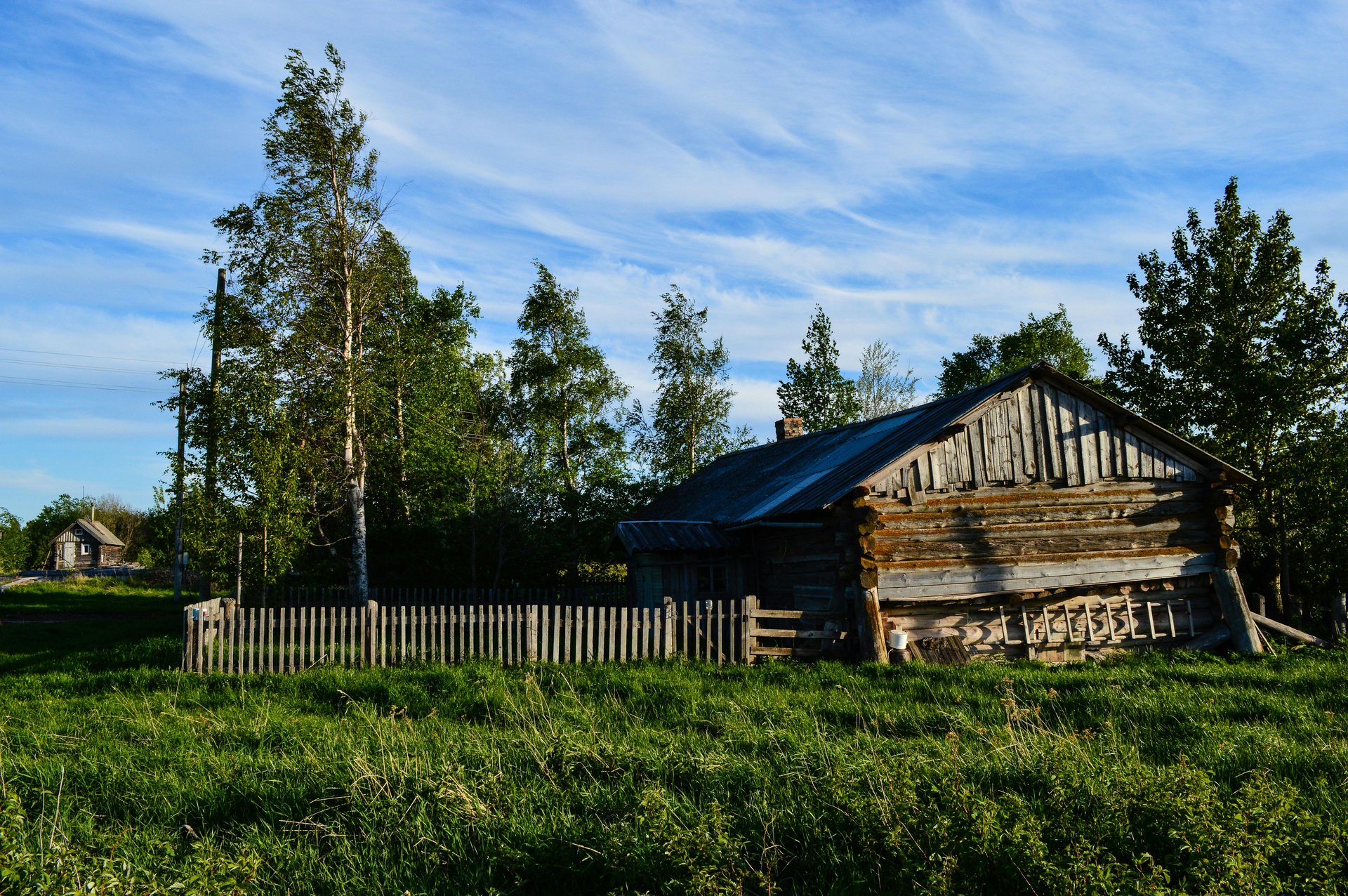
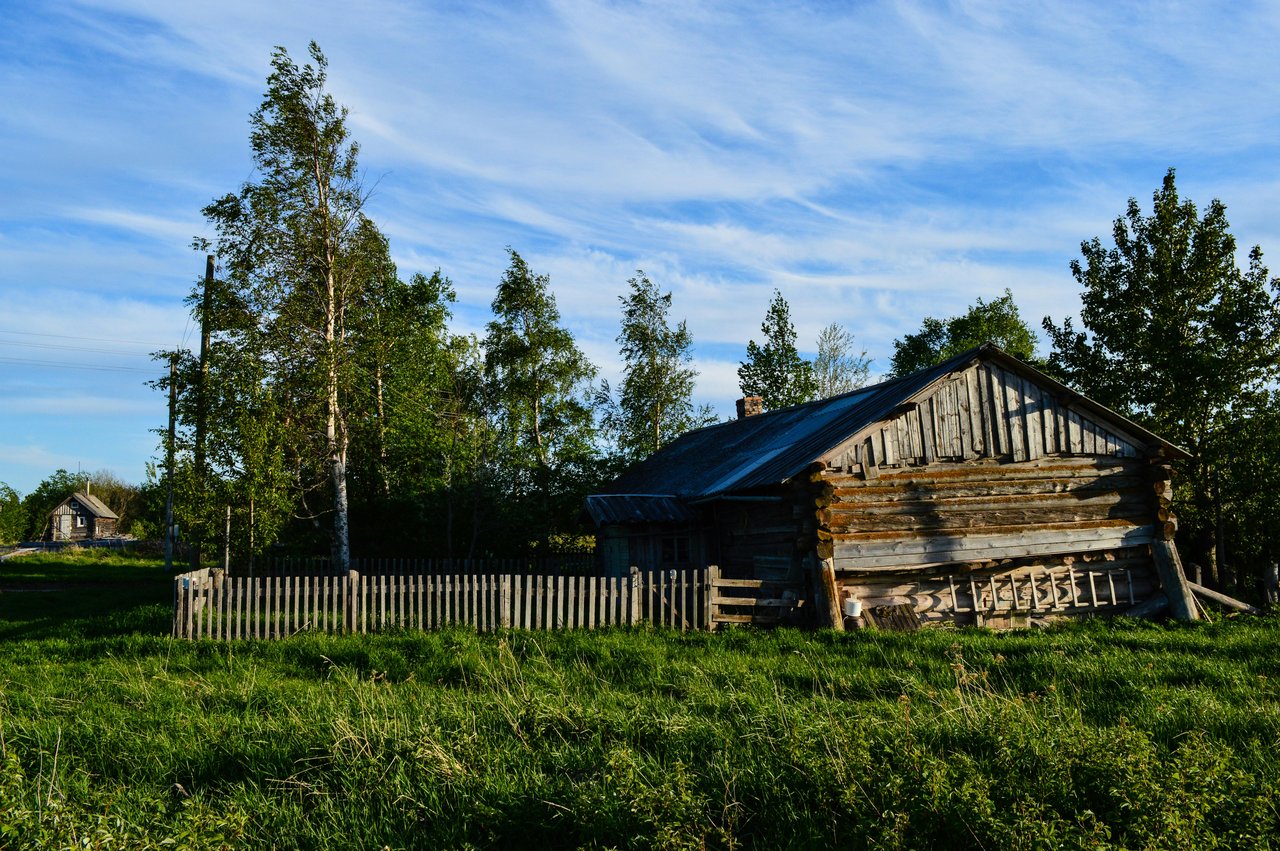
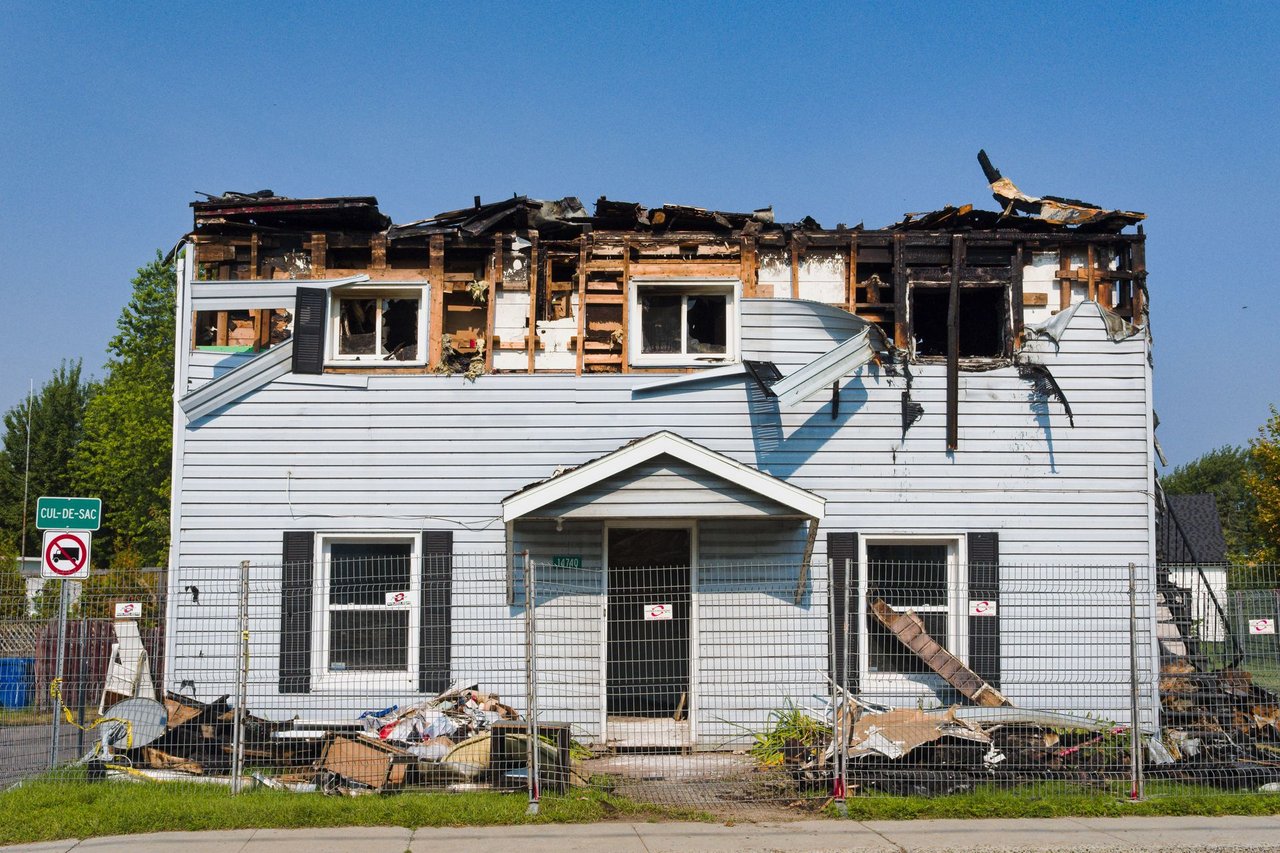
Zombie foreclosures are homes that have been left vacant by owners during the foreclosure process, essentially abandoned before lenders have taken possession. In the second quarter of 2025, there were 7,329 zombie properties—3.3% of all pre-foreclosure homes—according to a report from ATTOM. These properties often fall into disrepair, dragging down neighborhood property values and signaling stress in the housing market.
The report shows that “most ‘zombified’ areas are COVID-19 pandemic boom states in the South and Midwest.” The states with the highest year-over-year increases in zombie foreclosures include:
North Carolina: Up 52.5% (from 59 to 90)
Iowa: Up 52.1% (from 71 to 108)
Texas: Up 51.9% (from 162 to 246)
South Carolina: Up 43.8% (from 64 to 92)
Kansas: Up 29% (from 69 to 89)
These increases are often seen in rural areas where low property values provide little incentive for owners to maintain or reclaim them. As Realtor.com® economist Jiayi Xu explains, “Many homeowners may choose to simply walk away from these low-equity properties instead of having incentive to negotiate new payment plans.”
These vacant homes can harm the communities they inhabit. “In low-value areas, the cost of foreclosing, maintaining, and reselling a home may exceed its market value,” says Xu. This can lead lenders to abandon the foreclosure process midway, worsening the cycle by leaving homes vacant and prone to deterioration.
States like Oklahoma, Kansas, and Alabama lead in overall vacancy rates, while metro areas like Wichita, KS, and Peoria, IL, have the highest proportions of zombie pre-foreclosures—12.1% and 11.8%, respectively.

Fortunately, the trend isn’t cause for widespread panic—yet. “Zombie ” properties still represent a small slice of the total housing inventory. “Thankfully, we're not seeing a lot of homes sitting vacant due to pending foreclosures, which is good for families, neighborhoods, and the market,” says Rob Barber, CEO of ATTOM. He also notes that buyers are purchasing these homes quickly, preventing neighborhoods from being blighted long-term.
For the right buyer, zombie foreclosures can be an opportunity to purchase below-market homes. But it comes with risks. Listings often begin at extremely low starting bids, sometimes even $1. However, many of these properties are auctioned “as is,” without any disclosures or inspections.
“Foreclosed properties are usually sold as is with no disclosures,” says Jeremy Beres of Realty Executives Tri-States. He recommends calculating all potential repair costs upfront. These homes may come with rodents, squatters, or unseen structural issues, so working with an experienced real estate agent is crucial.
While zombie foreclosures are mostly affecting other parts of the country, they’re a critical reminder of how quickly market dynamics can shift. Whether you’re buying, selling, or just watching the trends, now is the time to work with a knowledgeable agent who understands how to navigate foreclosures and protect your investment.
If you’re considering a move to beautiful, thriving Orange County—or if you're curious about opportunities in today’s market—reach out to Whitestone Real Estate. I’m here to help you make smart, strategic real estate decisions every step of the way.
Reference: Blakeley, K. (2025, May 29). ‘Zombie’ Foreclosures Are On the Rise—See Which States Are Hardest Hit. Realtor.com.
Homebuyer affordability dropped for a fifth month in a row. Here's what it means for Orange County buyers and sellers and how to plan your next move.
New Redfin data reveals weather beats affordability as the top reason Americans relocate, and Orange County has exactly what movers are chasing.
Pending home sales rose as mortgage rates briefly dipped. Here's what this summer housing market shift means for Orange County buyers and sellers.
Fed Governor Waller wants less forward guidance on rates. Here's what that means for Orange County buyers and sellers trying to time the market.
A new Redfin survey shows most homeowners feel their home reflects who they are. Here's what it means for Orange County buyers.
Harvard's 2026 housing report reveals deep affordability struggles nationwide. Here's what it means for Orange County buyers and sellers.
Mortgage rates hover in the mid-6% range this June. Here's what buyers and sellers in Orange County need to know right now.
Home delistings hit near-record highs in April 2026. Learn what's driving sellers to pull listings and what it means for Orange County buyers and sellers.
Homeowners insurance premiums are climbing fast. Learn what's driving costs up and what it means for buyers and sellers in today's market.
Let's find a time that suits you best to chat about your goals, show you how we work, and figure out how we can help you the most
Get In Touch With Lisa
Broker Associate
949-877-7087
124 Tustin Ave Suite 200, Newport Beach, CA 92663