What NAR's Revised 2026 Forecast Means for Buyers and Sellers Right Now
Lisa Mailhot | April 24, 2026
Buyers

Lisa Mailhot | April 24, 2026
Buyers
Disclaimer: This blog is for informational purposes only and may reference third-party sources, including quotes or data used verbatim with proper credit. All efforts are made to ensure originality and avoid plagiarism. Readers should verify details independently and consult a licensed professional before making real estate decisions.
When the National Association of Realtors (NAR) Chief Economist Lawrence Yun stepped onto the stage at Inman On Tour Nashville in April 2026, he delivered a message that resonated across the real estate industry: the housing recovery is still happening, but it is moving at a much slower and more uncertain pace than originally anticipated.
Yun has downgraded his forecast for existing home sales growth from 14 percent to just 4 percent year-over-year for 2026. That is a sharp revision from the optimistic double-digit rebound the market had been banking on heading into the year. For anyone watching the housing space closely, especially buyers, sellers, and agents in competitive markets like Orange County, understanding what is driving this shift is essential.
The revision did not happen in a vacuum. Several converging forces pushed Yun to rethink his earlier projections.
Yun pointed to stubbornly high mortgage rates, the oil price shock, and softer job growth as the key forces reshaping what was initially expected to be a strong rebound year. The combination of more expensive borrowing and slower hiring has placed real pressure on housing demand, particularly as spring traditionally represents the busiest window of home-buying activity.
Mortgage rates have risen since the start of the war in Iran on February 28, reversing the downward trajectory that had been forecast just months earlier. Where rates were projected to ease toward 6 percent, the typical 30-year fixed-rate mortgage rose to around 6.46 percent by the beginning of April, after briefly dipping below 6 percent for the first time in three and a half years in late February.
New-home sales are now expected to remain flat, and the mortgage rate is expected to hold in the 6.5 percent range, up from the 6 percent forecast last fall.
Despite the slower sales pace, the news for existing homeowners and sellers is not all negative. One of the more encouraging takeaways from Yun's Nashville presentation is the relative stability of home values.
Yun noted that a persistent housing shortage, particularly in regions like the Northeast, continues to support price growth, and he expects prices to rise about 3 to 4 percent this year, driven by constrained supply and ongoing competition in underbuilt markets. In his own words, "Home prices are on solid ground."
Even with a more modest pace of sales growth, home prices continue to steadily increase due to minimal inventory growth, according to Yun. That dynamic matters enormously for Orange County homeowners who may be wondering whether now is still a reasonable time to list. The answer, based on Yun's data, is that values are not retreating.
One of the persistent headwinds shaping the market is a supply gap that shows no signs of resolving quickly. Yun has said the market needs to see a 20 to 30 percent boost in inventory to give buyers some real breathing room.
Inventory remains a major constraint on the market, with the inventory-to-sales ratio falling below historical norms. Until supply catches up with demand in a meaningful way, competition for well-priced, move-in-ready homes will remain fierce, which continues to benefit sellers in desirable areas.
Affordability is a real challenge for buyers, while potential sellers with lower pandemic-era rates are staying on the sidelines, which keeps a cap on the available inventory. This lock-in effect, where homeowners are reluctant to trade a 3 percent rate for a 6.5 percent one, continues to suppress listing activity across the country.
Despite the tempered outlook, Yun's message was not one of defeat. After three years of stagnation, he sees signs of a gradual shift beginning to take shape.
Yun acknowledged the uneven pace of improvement, saying he wished things were turning faster, but that it looks like the market is "turning the corner," and that shift should gradually bring more buyers and sellers back into the market, setting the stage for a stronger recovery in the years ahead.
March home sales remained sluggish and below last year's pace, with lower consumer confidence and softer job growth continuing to hold back buyers, according to Yun. Still, the longer-term fundamentals, including ongoing job creation and a structural shortage of homes, give reason for measured optimism.
Orange County operates within its own market dynamics, and while national trends set the broader context, local conditions ultimately determine what buyers and sellers experience on the ground. In a market defined by limited inventory, strong demand from well-qualified buyers, and consistently high home values, the national slowdown offers a more nuanced picture here.
For buyers, a slower pace of sales and slightly elevated mortgage rates may actually create a window of opportunity. Less frenzied competition means more time to evaluate properties, negotiate thoughtfully, and make decisions without the intense pressure of previous years. For sellers, the continued appreciation in home prices and the underlying demand from Orange County's strong employment base means that well-positioned listings will still command serious attention.
Even in a slower market, top-performing agents and their clients can still thrive, and challenging conditions have historically produced some people's best results. That is particularly true in a market like Orange County, where lifestyle, location, and long-term appreciation potential continue to draw motivated buyers.
Whether the market moves at 4 percent or 14 percent, the fundamentals that make Orange County one of Southern California's most desirable places to live have not changed. Families still want to be near top-rated schools, beautiful coastlines, thriving job centers, and walkable communities. If you are thinking about buying or selling in Orange County and want to navigate this evolving market with confidence, I would love to connect. At Whitestone Real Estate, we help our clients make smart, informed decisions no matter what the national headlines say. Reach out today and let's talk about your next move.
Reference: Acosta, C. (2026, April 23). NAR's Yun has a new 2026 prediction: A slower, less certain market recovery. Inman.
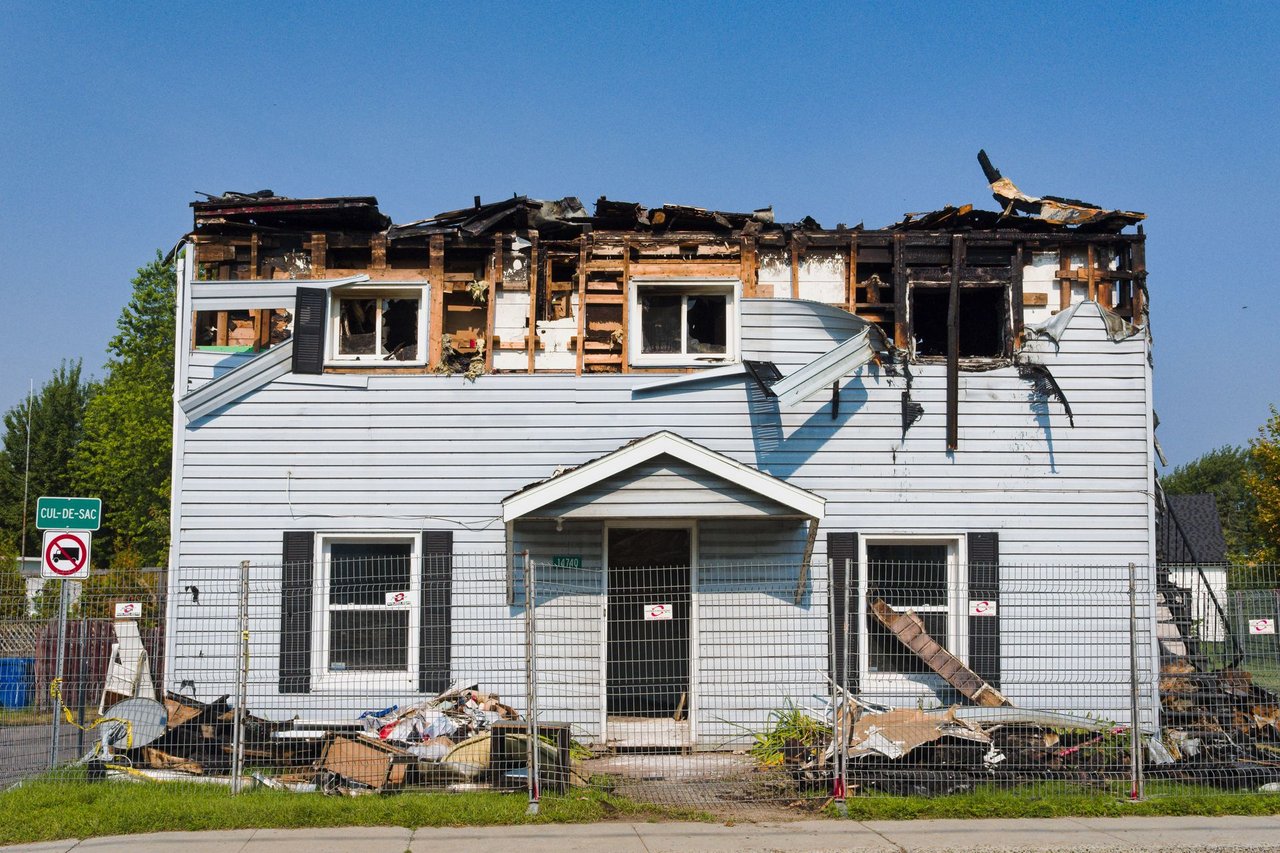
Harvard's 2026 housing report reveals deep affordability struggles nationwide. Here's what it means for Orange County buyers and sellers.

Mortgage rates hover in the mid-6% range this June. Here's what buyers and sellers in Orange County need to know right now.
Home delistings hit near-record highs in April 2026. Learn what's driving sellers to pull listings and what it means for Orange County buyers and sellers.

Homeowners insurance premiums are climbing fast. Learn what's driving costs up and what it means for buyers and sellers in today's market.

Pending home sales drop for the second week as mortgage rates hit a 10-month high. Here's what it means for buyers and sellers today.

Housing affordability improved for 7 straight months. Learn what falling income requirements mean for buyers and sellers in Orange County and beyond.

Price cuts fell slightly in April 2026 as buyer demand rebounds. See what this means for Orange County buyers and sellers right now.
U.S. home prices rose 2.4% in April 2026, the biggest gain in 13 months. Here's what buyers and sellers in Orange County need to know now.
The U.S. housing market still favors buyers, but the gap is shrinking. Here's what April 2026 data means for Orange County.
Let's find a time that suits you best to chat about your goals, show you how we work, and figure out how we can help you the most
Get In Touch With Lisa
Broker Associate
949-877-7087
124 Tustin Ave Suite 200, Newport Beach, CA 92663