What Rising Mortgage Rates and Market Uncertainty Mean for Homebuyers Right Now
Lisa Mailhot | March 27, 2026
Buyers

Lisa Mailhot | March 27, 2026
Buyers
Disclaimer: This blog is for informational purposes only and may reference third-party sources, including quotes or data used verbatim with proper credit. All efforts are made to ensure originality and avoid plagiarism. Readers should verify details independently and consult a licensed professional before making real estate decisions.
The housing market heading into spring 2026 looks notably different from what many buyers and sellers were hoping for just a few months ago. A combination of geopolitical tension, financial market volatility, and stubborn affordability pressures is reshaping how and when Americans are choosing to buy homes. If you have been watching the market or actively house hunting, you have likely felt the shift.
After touching a four-year low of around 5.99% just a month ago, the weekly average 30-year fixed mortgage rate surged to 6.22% for the week ending March 19, 2026, marking its highest point in more than three months, according to Freddie Mac. On a daily basis, rates climbed even higher, briefly reaching 6.55% mid-week as investors responded to escalating tensions from the conflict in the Middle East and concerns about its ripple effects on inflation and oil prices.
Markets have been volatile as investors parse conflicting signals about the geopolitical situation. Stocks and bond markets rallied briefly on optimism about diplomatic conversations, only to retreat again amid continued uncertainty. That back-and-forth has translated directly into rate swings that are making it difficult for buyers to plan with confidence.
The jump in rates has translated into real financial pressure for buyers. The median monthly housing payment nationally climbed to $2,695 for the four weeks ending March 22, 2026, the highest level since last June. That figure reflects both the uptick in mortgage rates and a 1.8% year-over-year increase in median home sale prices, which rose to $389,269. It is worth noting that housing payments are seasonal and typically peak in late spring or early summer, so this early run-up is something to watch.
On a year-over-year basis, the median monthly payment is down about 1.5%, but that improvement is shrinking fast. It represents the smallest year-over-year decline in five months, signaling that the affordability relief buyers experienced last year is fading.
The combination of higher rates and broader economic anxiety is prompting many prospective buyers to hold off. Pending home sales fell 1% year over year during the period, the largest decline in about a month. Mortgage purchase applications dropped 5% from the prior week, and while they remain 5% above year-ago levels, the recent pullback reflects buyer hesitation.
A Redfin agent in Boston offered a vivid illustration of how rate sensitivity plays out in high-cost markets. In a city where a mortgage payment can reach $10,000 per month, even small rate movements carry significant weight. Many buyers are waiting, hoping interest rates dip below 6% for a meaningful amount of time before committing. Those who need to move now due to a new baby or a job relocation are still proceeding, but some are making concessions, opting for a smaller home or a condo rather than a single-family house to keep monthly costs manageable.
While buyers are hesitant, search interest remains high. Google searches for homes for sale are up 16% year over year as of late March, and home touring activity has climbed 23% from the start of the year. That gap between curiosity and commitment suggests many prospective buyers are watching and waiting rather than walking away entirely.
Despite the buyer slowdown, new listings inched up just 0.3% year over year, a modest gain that suggests sellers are not flooding the market either. Active inventory declined 1.7% year over year, the steepest drop since 2023, as homes are sitting longer. The median days on market stretched to 56 days, six days longer than a year ago.
Months of supply currently sits at 4.3, which falls within the range generally considered balanced between buyers and sellers. However, a separate Redfin report highlights that there are hundreds of thousands more home sellers than buyers in the market overall, giving house hunters meaningful negotiating power. The share of homes selling above list price dropped to 22.4%, down from 24% a year ago, and the average sale-to-list price ratio dipped slightly to 98.3%. These are small but real signals that the frenzied bidding wars of recent years have cooled considerably.
Orange County operates in its own premium tier of the California housing market, which means national trends serve as a useful backdrop but not a perfect mirror. Affordability is a persistent challenge here regardless of what rates are doing nationally, and even modest rate increases can meaningfully change what a buyer qualifies for or feels comfortable spending.
For buyers in our market, the current environment calls for strategic thinking. Locking in a rate before further increases, exploring adjustable-rate options, or being open to different property types can all help manage monthly payment pressure. For sellers, pricing competitively and presenting your home well is more important than ever in a market where buyers have more leverage and are taking longer to decide.
Navigating a market shaped by rising rates, geopolitical uncertainty, and shifting buyer sentiment is not something you want to do alone. Whether you are dreaming of calling Orange County home for the first time or you are ready to make your next move, having an experienced local guide in your corner makes all the difference. At Whitestone Real Estate, I combine deep market knowledge with a genuine commitment to helping you reach your real estate goals, no matter what the broader market is doing. Reach out today and let's talk about what this moment means for your specific situation and how we can turn it into an opportunity.
Reference: Anderson, D. (2026, March 26). Market jitters drive mortgage rates up, sending some would-be homebuyers to the sidelines. Redfin News.

Pending home sales drop for the second week as mortgage rates hit a 10-month high. Here's what it means for buyers and sellers today.

Housing affordability improved for 7 straight months. Learn what falling income requirements mean for buyers and sellers in Orange County and beyond.

Price cuts fell slightly in April 2026 as buyer demand rebounds. See what this means for Orange County buyers and sellers right now.
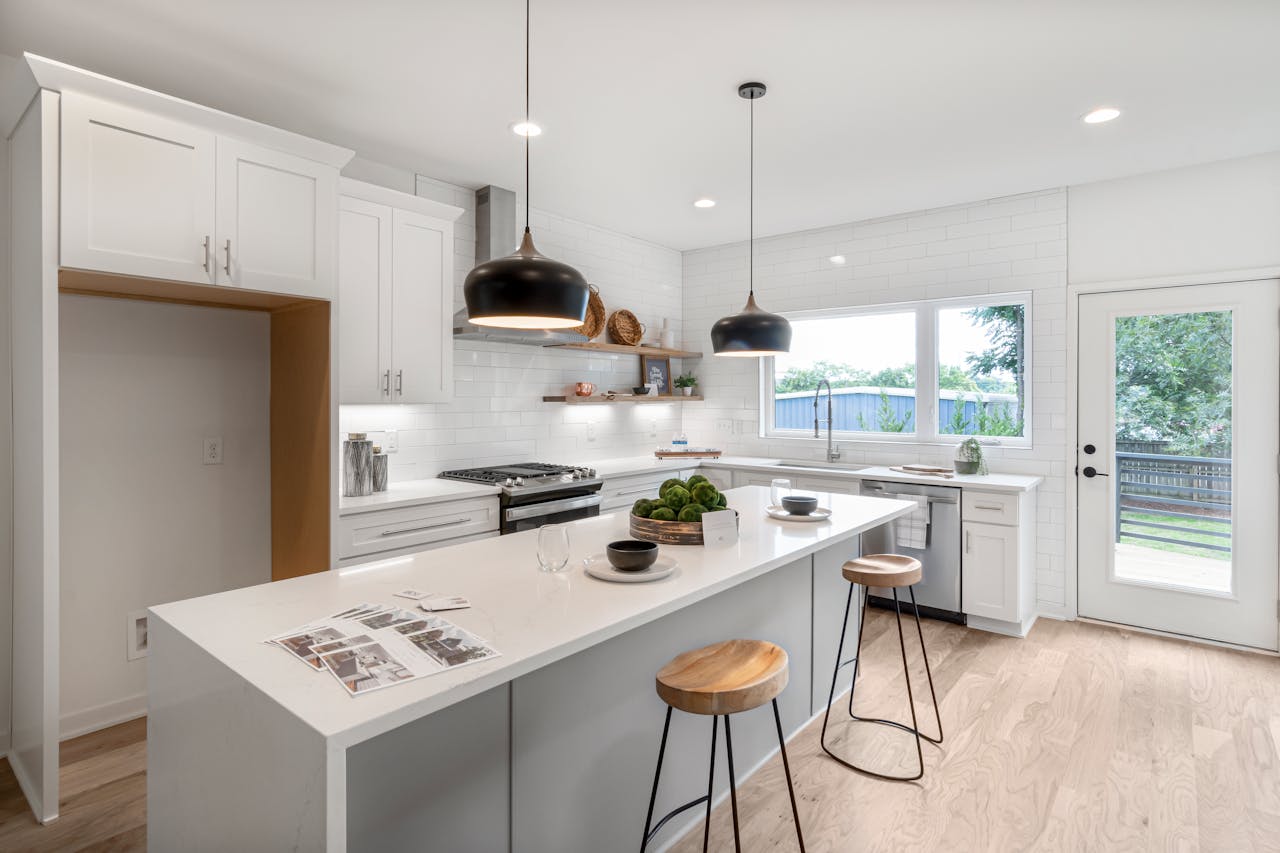
U.S. home prices rose 2.4% in April 2026, the biggest gain in 13 months. Here's what buyers and sellers in Orange County need to know now.

The U.S. housing market still favors buyers, but the gap is shrinking. Here's what April 2026 data means for Orange County.

Pending home sales hit a nearly 4-year high as mortgage rates dip, inventory grows, and spring buyers finally return to the market.
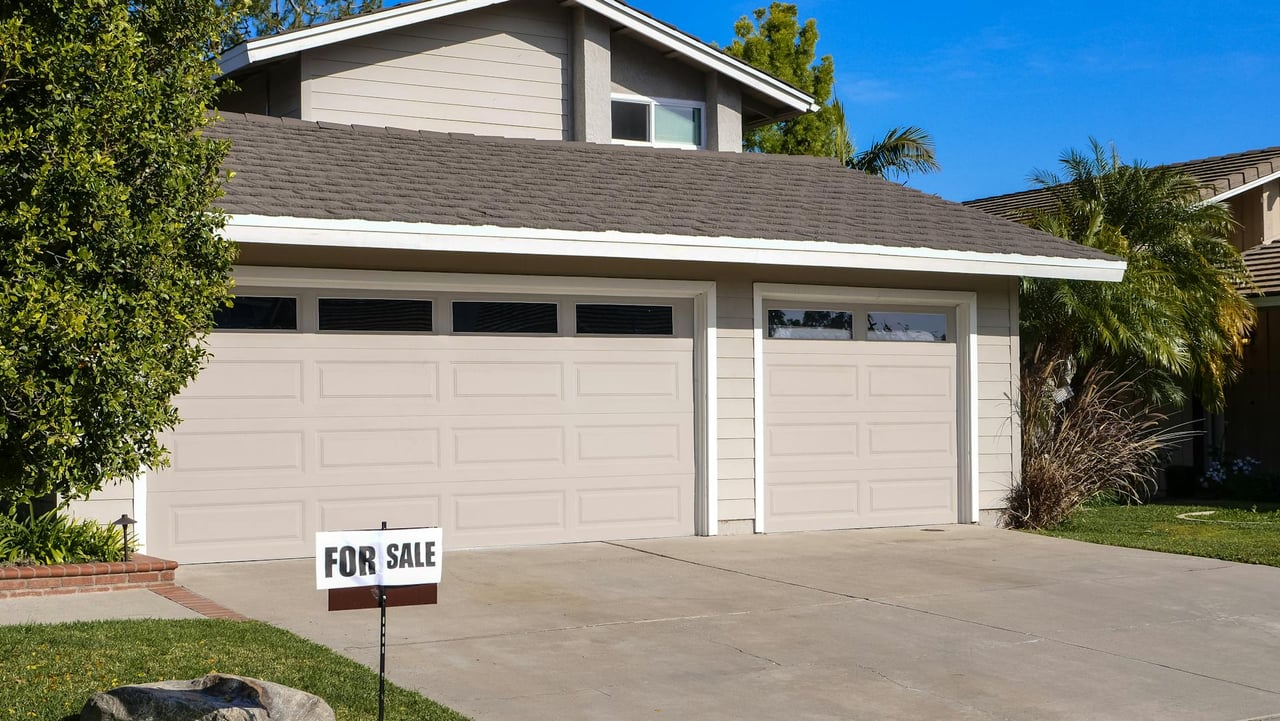
Inventory is up, purchase apps are surging, and spring is finally delivering. Here's what the latest housing data means for buyers and sellers.

NAR's Yun cuts his 2026 sales forecast from 14% to 4%. Here's what slower growth means for buyers, sellers, and the OC market.

Monthly housing payments rose for the first time in 6 months as mortgage rates and home prices climb amid market uncertainty.
Let's find a time that suits you best to chat about your goals, show you how we work, and figure out how we can help you the most
Get In Touch With Lisa

Broker Associate
949-877-7087
124 Tustin Ave Suite 200, Newport Beach, CA 92663