What the Latest Mortgage Rate Numbers Mean for Orange County Buyers and Sellers
Lisa Mailhot | June 5, 2026
Buyers

Lisa Mailhot | June 5, 2026
Buyers
Disclaimer: This blog is for informational purposes only and may reference third-party sources, including quotes or data used verbatim with proper credit. All efforts are made to ensure originality and avoid plagiarism. Readers should verify details independently and consult a licensed professional before making real estate decisions.
Mortgage rates have been making headlines this spring, and the numbers from June 4, 2026 tell a story worth paying attention to. According to Freddie Mac, the 30-year fixed-rate mortgage averaged 6.48% for the week ending June 4, 2026, a slight dip from the 6.53% recorded the prior week. A year ago at this same time, that figure sat at 6.85%, which means buyers today are actually in a marginally better position than they were in 2025, even if rates still feel elevated compared to the historic lows of 2021.
For those shopping across different loan types, the landscape looks like this: the 15-year fixed-rate mortgage came in at 5.79% for the same week, down from 5.87% the week before. Refinance rates tracked slightly higher, with the 30-year fixed refinance averaging around 6.66% to 6.69% depending on the data source. The 5-year adjustable-rate mortgage, meanwhile, showed more volatility, reflecting the push-and-pull that has defined this market for months.
The story behind today's rates is rooted in broader economic forces. Geopolitical uncertainty has added upward pressure on oil prices, which in turn feeds into the inflation calculations that drive interest rate decisions. April's Consumer Price Index report, released in May, showed inflation rising 3.8% annually, the highest rate increase since May 2023, and mortgage rates responded accordingly with a notable spike around that time.
The 10-year Treasury yield, which lenders use as a benchmark before adding their spread, has been hovering in the 4.4% to 4.5% range. Add a typical lender spread of roughly two percentage points, and you land squarely in the mid-6% territory where rates have been camping out. Until inflation cools more meaningfully or the Federal Reserve adjusts its stance, this is the environment buyers and sellers will be navigating.
If you are entering the market right now, one of the most important decisions you will make involves choosing between a fixed-rate and an adjustable-rate mortgage. A fixed-rate mortgage locks in your rate for the entire life of the loan, offering predictability and protection against future rate increases. A 30-year fixed mortgage remains the most popular choice because it stretches payments over a longer period, keeping monthly obligations manageable.
A 15-year fixed mortgage carries a lower rate, currently averaging around 5.79%, and saves borrowers significantly on total interest paid over the life of the loan. The tradeoff is higher monthly payments, since the principal is retired in half the time. For buyers who can absorb that difference, the long-term savings can be substantial.
Adjustable-rate mortgages offer lower introductory rates that remain fixed for an initial period, typically five years in the case of a 5/1 ARM, before adjusting periodically based on market conditions. They can be a strategic tool in the right circumstances, particularly for buyers who plan to sell or refinance before the adjustment period kicks in.
For homeowners weighing a refinance, the current environment calls for careful math. Many buyers who locked in rates during the pandemic era are holding mortgages well below today's numbers, which makes a straight rate-and-term refinance a tough sell at this moment. However, homeowners carrying high-interest debt on credit cards or personal loans may still find that rolling those balances into a mortgage in the mid-6% range produces meaningful monthly savings overall.
Borrowers specifically focused on reducing their total interest burden over time might also look at shortening their loan term through a refinance. A move from a 30-year to a 15-year mortgage raises monthly payments, but the discount on the 15-year rate combined with the accelerated payoff timeline can generate significant long-term savings. The right answer depends entirely on individual financial goals, how long you plan to stay in the home, and where your break-even point falls after accounting for closing costs.
Here is the piece of this story that often gets lost in the rate headlines: affordability is actually showing signs of incremental improvement. Freddie Mac noted in its June 4 report that with mortgage rates in the mid-6% range and income growth outpacing home price growth, housing affordability is marginally improving. Inventory has increased compared to the past two years, and home price growth has slowed. These factors combine to make the purchasing calculus more favorable than it was during the frenzied market of recent years, even if borrowing costs remain higher than most buyers would prefer.
Experts broadly expect rates to stay in this elevated range for the near term, though some forecasters suggest a dip below 6% could happen briefly later in the year if inflation trends cooperate. Shopping around remains one of the most powerful tools available to buyers. Research from Freddie Mac found that comparing at least two lenders can save a borrower up to $600 per year, and comparing four or more lenders can push annual savings as high as $1,200. Over the life of a loan, those differences compound dramatically.
The mortgage rate environment in June 2026 is nuanced, and navigating it well requires both information and strategy. Whether you are a first-time buyer trying to figure out how much home you can realistically afford, a move-up buyer weighing your timing, or a homeowner considering whether a refinance pencils out, the decisions you make right now can have a meaningful impact on your financial future. Orange County remains one of Southern California's most desirable places to call home, and the right guidance can make all the difference in getting into it at the right terms. If you are thinking about buying, selling, or simply want to understand what today's rate environment means for your specific situation, I would love to connect. Reach out to Whitestone Real Estate and let's map out a path that works for you.
Reference: Olya Pinchuk. (2026, June 4). Mortgage interest rates now, June 4, 2026. Realtor.com.

A new federal housing law cuts red tape and boosts construction. Here is what it means for Orange County buyers, sellers, and investors.
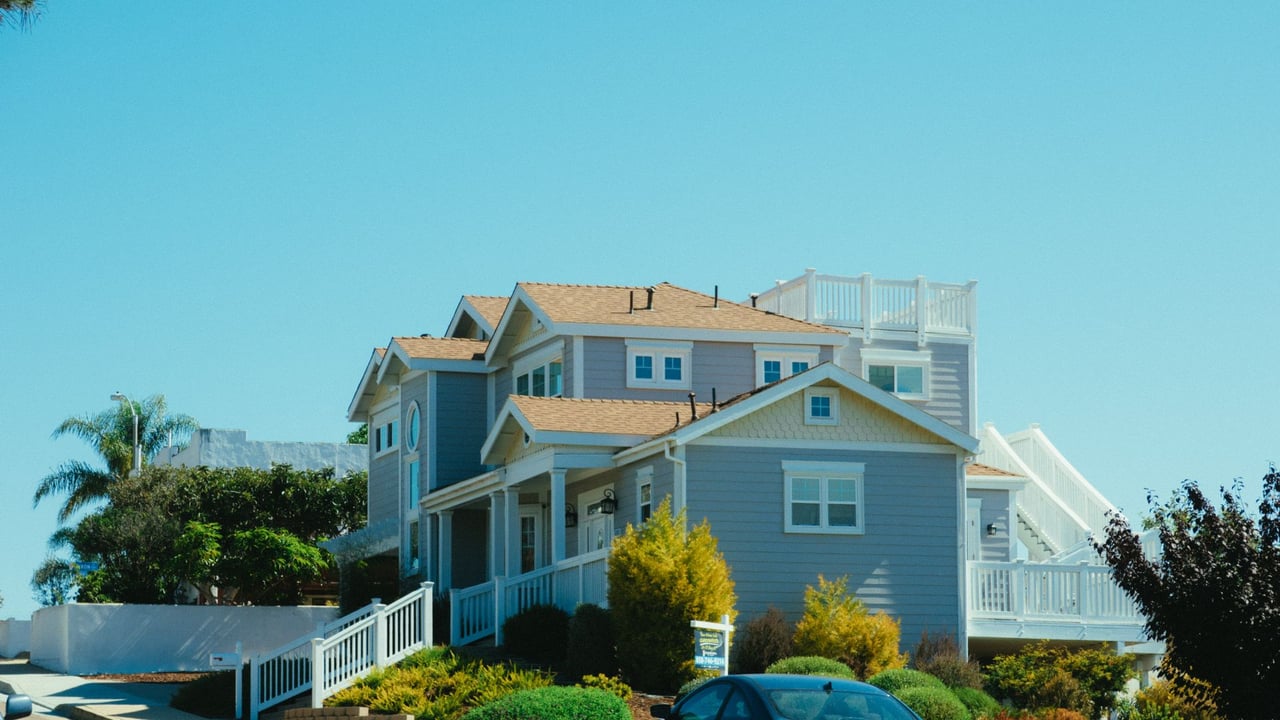
Homebuyer affordability dropped for a fifth month in a row. Here's what it means for Orange County buyers and sellers and how to plan your next move.

New Redfin data reveals weather beats affordability as the top reason Americans relocate, and Orange County has exactly what movers are chasing.
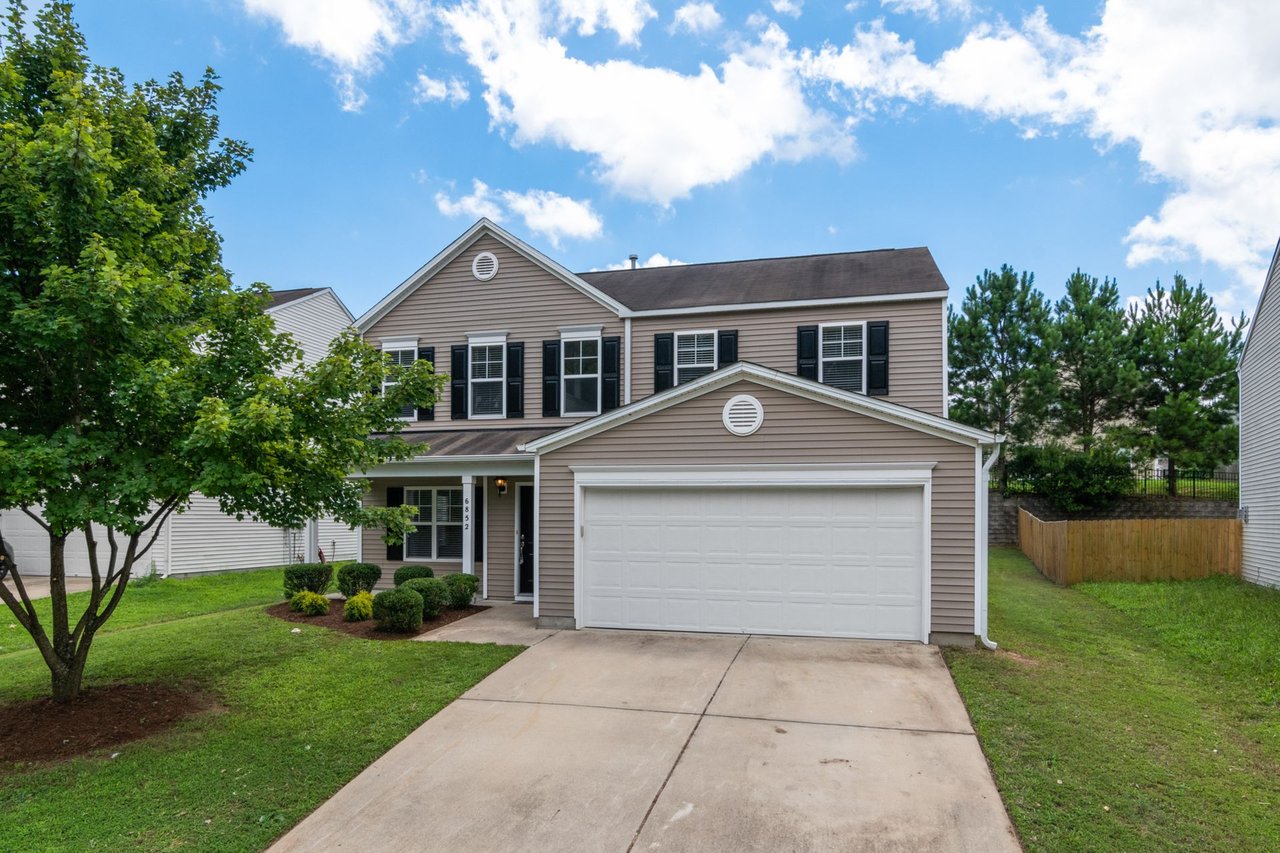
Pending home sales rose as mortgage rates briefly dipped. Here's what this summer housing market shift means for Orange County buyers and sellers.

Fed Governor Waller wants less forward guidance on rates. Here's what that means for Orange County buyers and sellers trying to time the market.
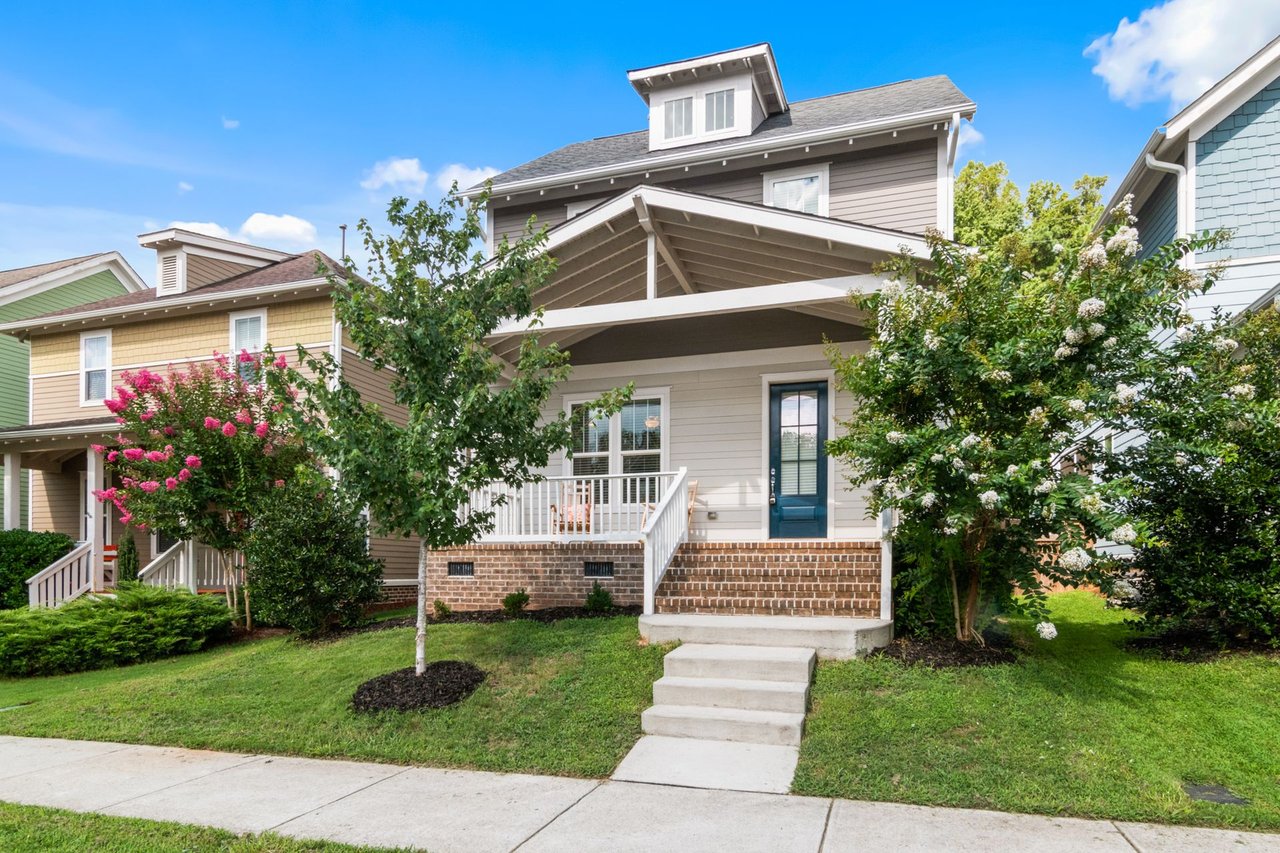
A new Redfin survey shows most homeowners feel their home reflects who they are. Here's what it means for Orange County buyers.
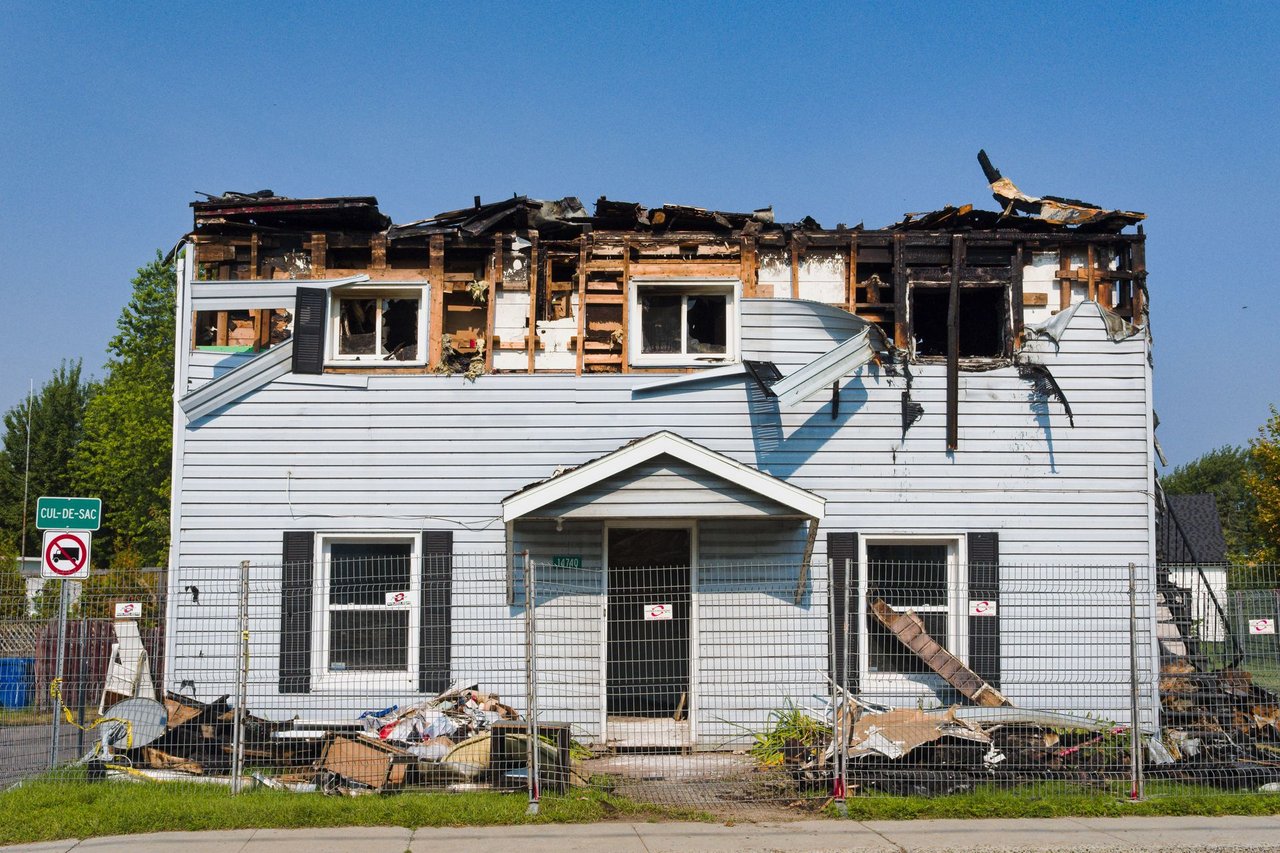
Harvard's 2026 housing report reveals deep affordability struggles nationwide. Here's what it means for Orange County buyers and sellers.
Mortgage rates hover in the mid-6% range this June. Here's what buyers and sellers in Orange County need to know right now.
Home delistings hit near-record highs in April 2026. Learn what's driving sellers to pull listings and what it means for Orange County buyers and sellers.
Let's find a time that suits you best to chat about your goals, show you how we work, and figure out how we can help you the most
Get In Touch With Lisa

Broker Associate
949-877-7087
124 Tustin Ave Suite 200, Newport Beach, CA 92663