Why the Fed Won't Tell Homebuyers What Rates Are Coming Next
Lisa Mailhot | July 7, 2026
Buyers

Lisa Mailhot | July 7, 2026
Buyers
Disclaimer: This blog is for informational purposes only and may reference third-party sources, including quotes or data used verbatim with proper credit. All efforts are made to ensure originality and avoid plagiarism. Readers should verify details independently and consult a licensed professional before making real estate decisions.
A top Federal Reserve official just made it clear that homebuyers shouldn't expect much of a heads up on where interest rates are headed next. Fed Governor Chris Waller recently signaled that he is skeptical of the central bank telegraphing its future moves, a stance that lines up with new Fed Chair Kevin Warsh's own preference for a quieter approach.
Speaking at a conference sponsored by the Bank of Italy on July 6, Waller explained that when the Federal Open Market Committee signals its intentions months in advance, it tends to encourage people to try to time the market. He acknowledged that this kind of forward guidance can speed up how quickly Fed policy affects the economy, but noted it can just as easily backfire and get in the way of the Fed's goals.
Waller was careful to note that forward guidance isn't inherently a bad thing. He described it as a tool that has, at times, meaningfully strengthened how policy gets carried out and will likely keep playing a role going forward, but added that it is more art than science, since there have been moments when it has done more harm than good for policymakers.
That distinction matters a lot for mortgage rates, which frequently move based on what the market expects the Fed to do next rather than what the Fed has actually done. If the Fed becomes more tight lipped about its plans, that could introduce a fresh layer of uncertainty and volatility into mortgage pricing.
Waller pointed to two recent examples to make his case. In late 2021, the Fed signaled it might tighten policy in the months ahead, and markets reacted immediately, with the two year Treasury yield jumping nearly 200 basis points. That shift effectively pulled forward roughly six months of the usual 12 to 24 month lag typically expected before a rate change fully works its way through the economy.
The other example came from September 2020, when the Fed indicated it planned to hold off on raising rates until conditions improved. That guidance ended up creating problems once inflation picked up, and Waller argued it ultimately restricted the FOMC's flexibility and delayed the rate increases that were needed in 2021.
The Fed continues to navigate a genuinely uncertain economy, with officials divided over how aggressively to act given persistent inflation and unpredictable global events. At its most recent meeting, the FOMC opted to hold the federal funds rate steady in the range of 3.50 percent to 3.75 percent, where it has sat since December.
Meanwhile, the 30 year fixed rate mortgage has climbed to 6.43 percent, up from 5.98 percent at the end of February, according to Freddie Mac. President Trump campaigned on bringing mortgage rates down and appointed Warsh, who also favors lower rates, but the FOMC as a whole has stayed more cautious.
Realtor.com senior economist Jake Krimmel offered some grounded advice for buyers trying to make sense of all this. He noted that trying to predict interest rate movements carries far more risk than reward, and that homebuyers are better served putting their energy into finding the right lender and the best offer rather than attempting to outguess the Fed.
Krimmel also pointed out that forward guidance works best when the Fed has a clear sense of direction and wants to influence conditions quickly, but becomes far less useful, and can even box the Fed in, when the economic picture is shifting fast or the future path is unclear.
His practical takeaway for buyers is to focus on the fundamentals within their control. That means working to improve your credit score, saving toward key down payment thresholds like 10 or 20 percent, and shopping around across multiple lenders rather than trying to time the broader market.
Rate uncertainty isn't going away anytime soon, and honestly, that's exactly why having the right people in your corner matters more than trying to predict the Fed's next move. Whether you're buying your first home in Orange County, selling and wondering how today's rate environment affects your timing, or simply trying to figure out your next step, I'm here to help you focus on what you can actually control, your finances, your offer strategy, and your local market knowledge. If you're considering a move in Orange County, let's connect and build a plan that works no matter which way rates go next.
Reference: Navera, T. (2026, July 6). Why the Fed refuses to give homebuyers a road map for interest rates. Realtor.com.

A new bipartisan bill may let first-time buyers pull up to $35,000 from a 529 plan tax free for a down payment. Here's what it means for Orange County.

A bipartisan bill could double the capital gains tax exclusion on home sales, freeing up Orange County inventory and rewarding long-term homeowners.
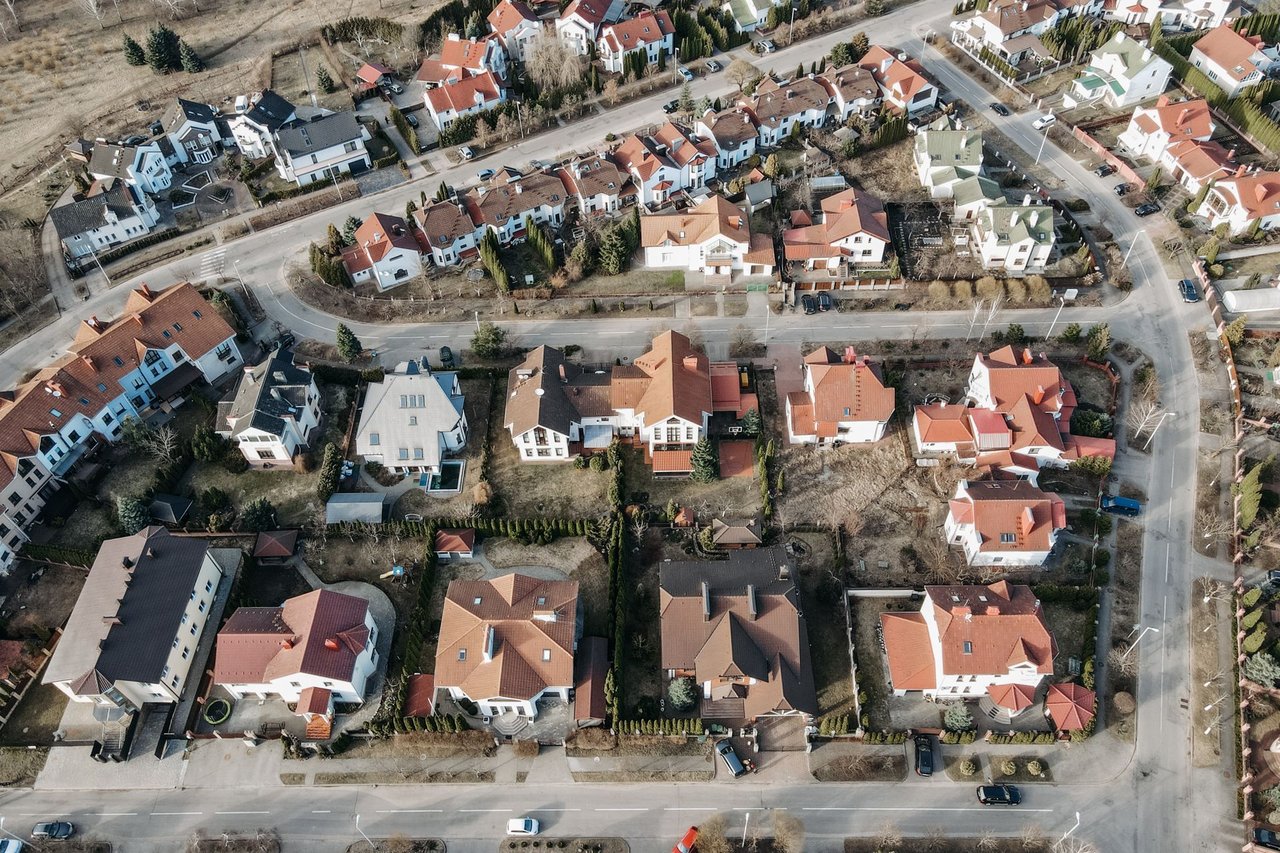
The 2026 summer housing market has slowed nationwide, giving buyers more time and leverage. Here's what it means for Orange County movers.

Fannie Mae and Freddie Mac's new condo underwriting rules could slow approvals and raise costs. Here's what Orange County buyers and sellers need to know.

A new federal housing law cuts red tape and boosts construction. Here is what it means for Orange County buyers, sellers, and investors.
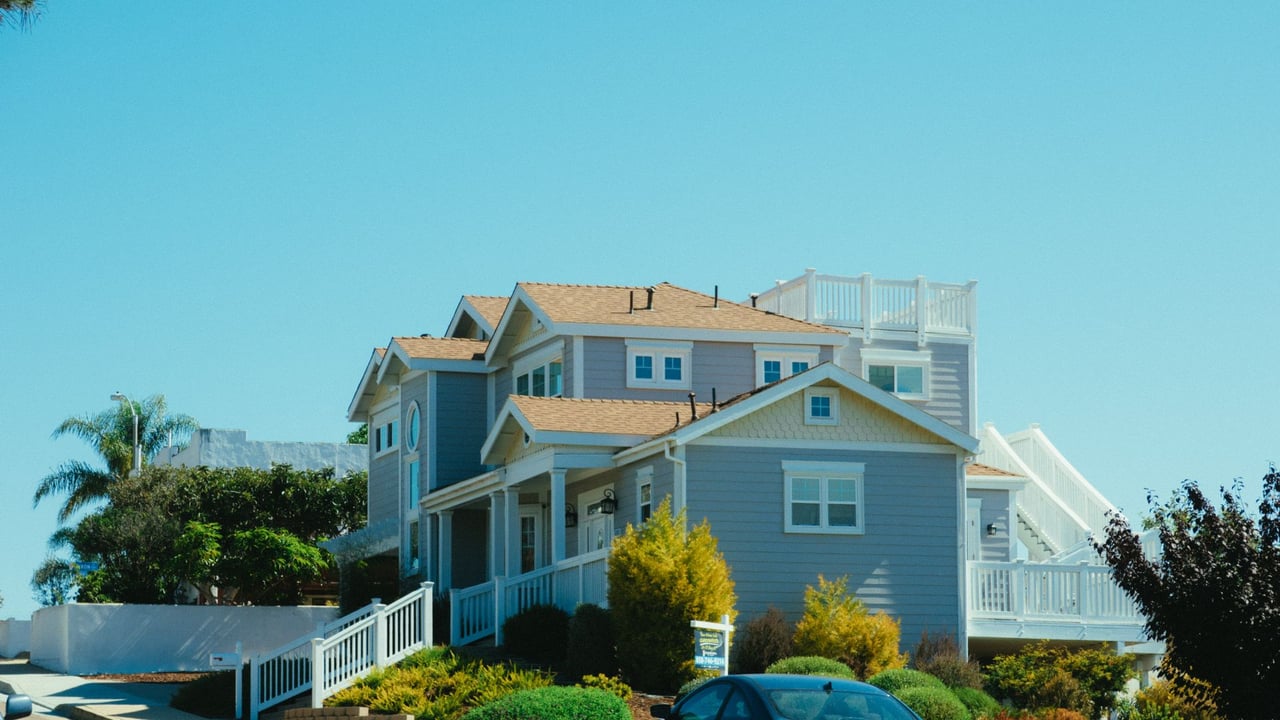
Homebuyer affordability dropped for a fifth month in a row. Here's what it means for Orange County buyers and sellers and how to plan your next move.

New Redfin data reveals weather beats affordability as the top reason Americans relocate, and Orange County has exactly what movers are chasing.
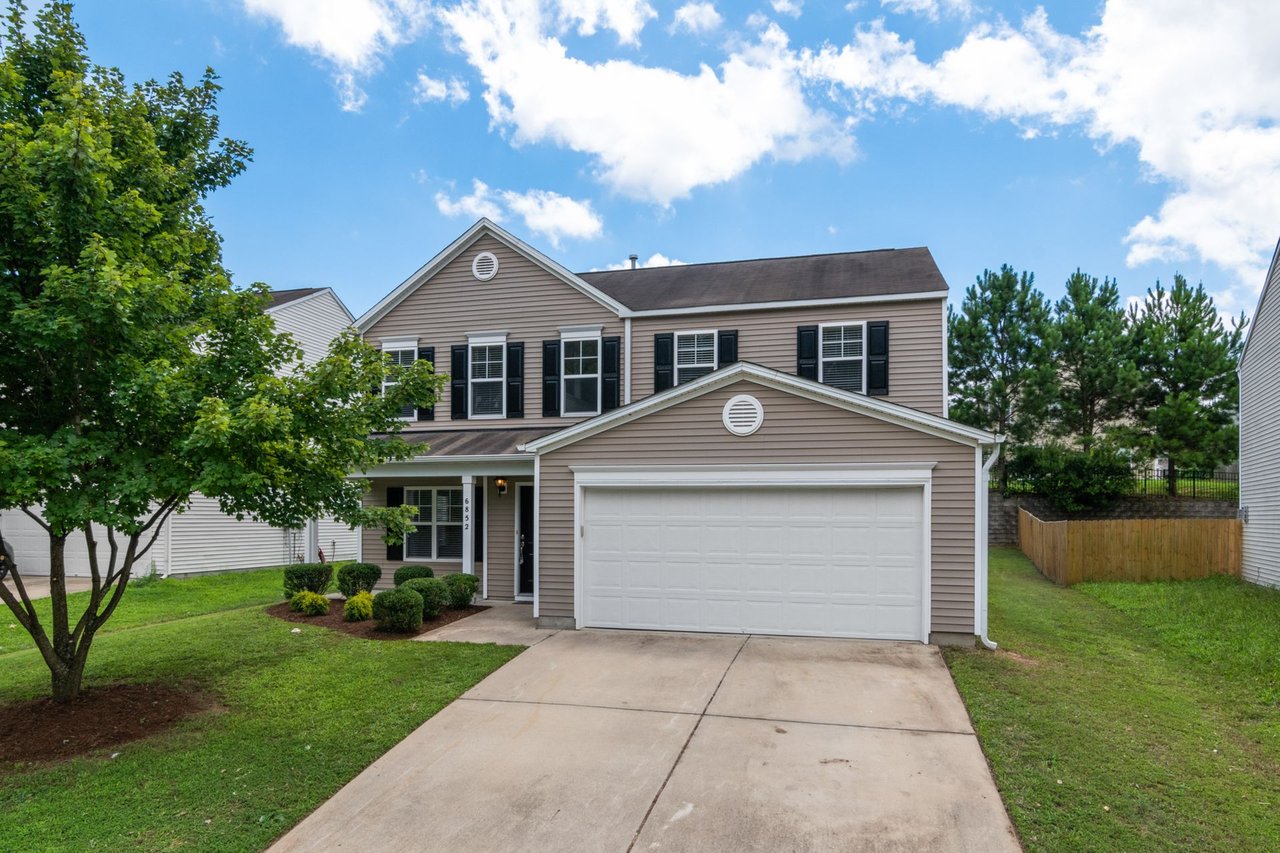
Pending home sales rose as mortgage rates briefly dipped. Here's what this summer housing market shift means for Orange County buyers and sellers.
Fed Governor Waller wants less forward guidance on rates. Here's what that means for Orange County buyers and sellers trying to time the market.
Let's find a time that suits you best to chat about your goals, show you how we work, and figure out how we can help you the most
Get In Touch With Lisa

Broker Associate
949-877-7087
124 Tustin Ave Suite 200, Newport Beach, CA 92663