Why So Many Homeowners Are Becoming Landlords Without Planning To
Lisa Mailhot | March 12, 2026
Buyers
Lisa Mailhot | March 12, 2026
Buyers
Disclaimer: This blog is for informational purposes only and may reference third-party sources, including quotes or data used verbatim with proper credit. All efforts are made to ensure originality and avoid plagiarism. Readers should verify details independently and consult a licensed professional before making real estate decisions.
The housing market has a new phenomenon making headlines, and it has a surprisingly relatable name: the accidental landlord. If you have been watching home prices, mortgage rates, or the overall real estate climate lately, this trend might help explain why inventory is behaving the way it is and what it could mean for your next move.
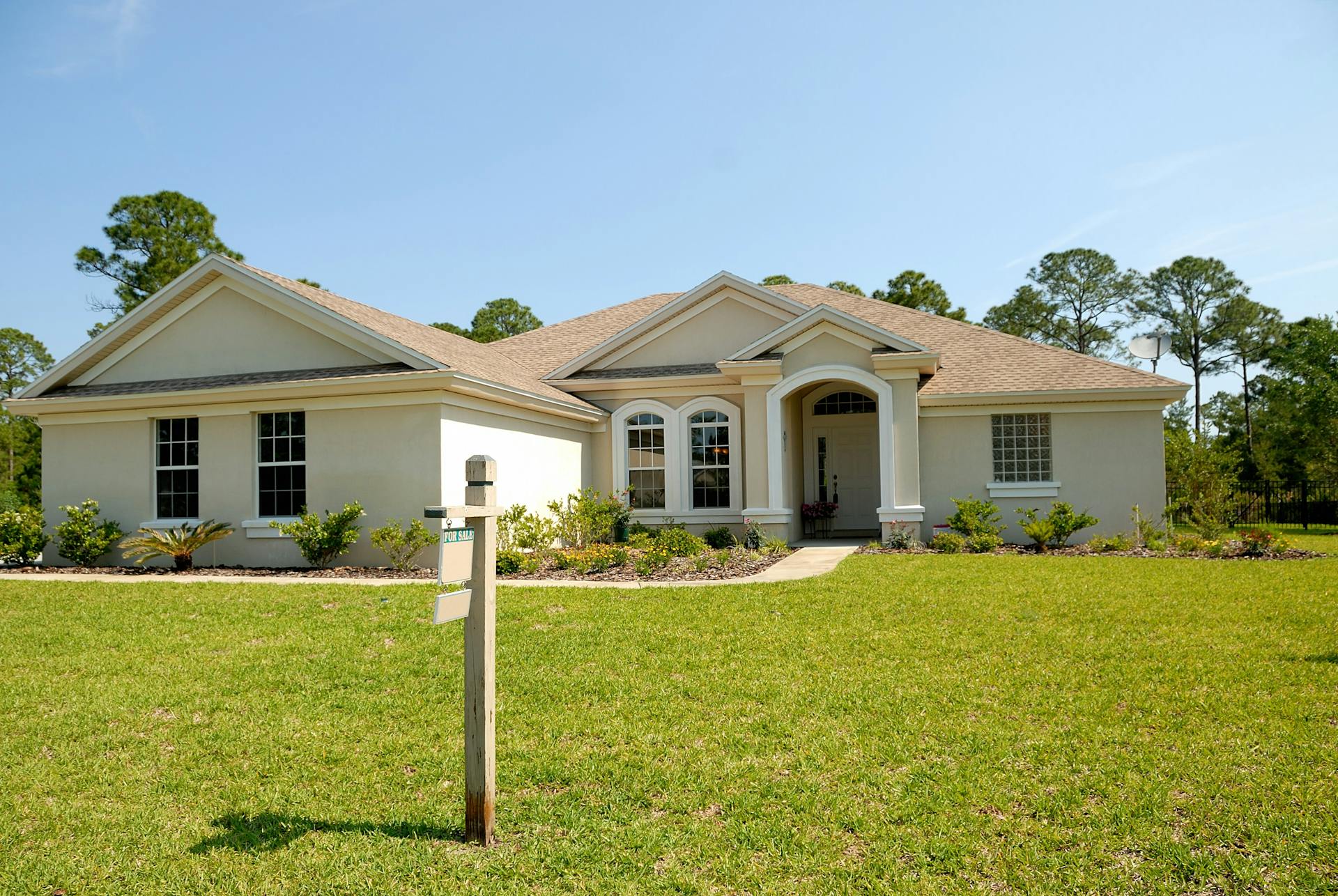
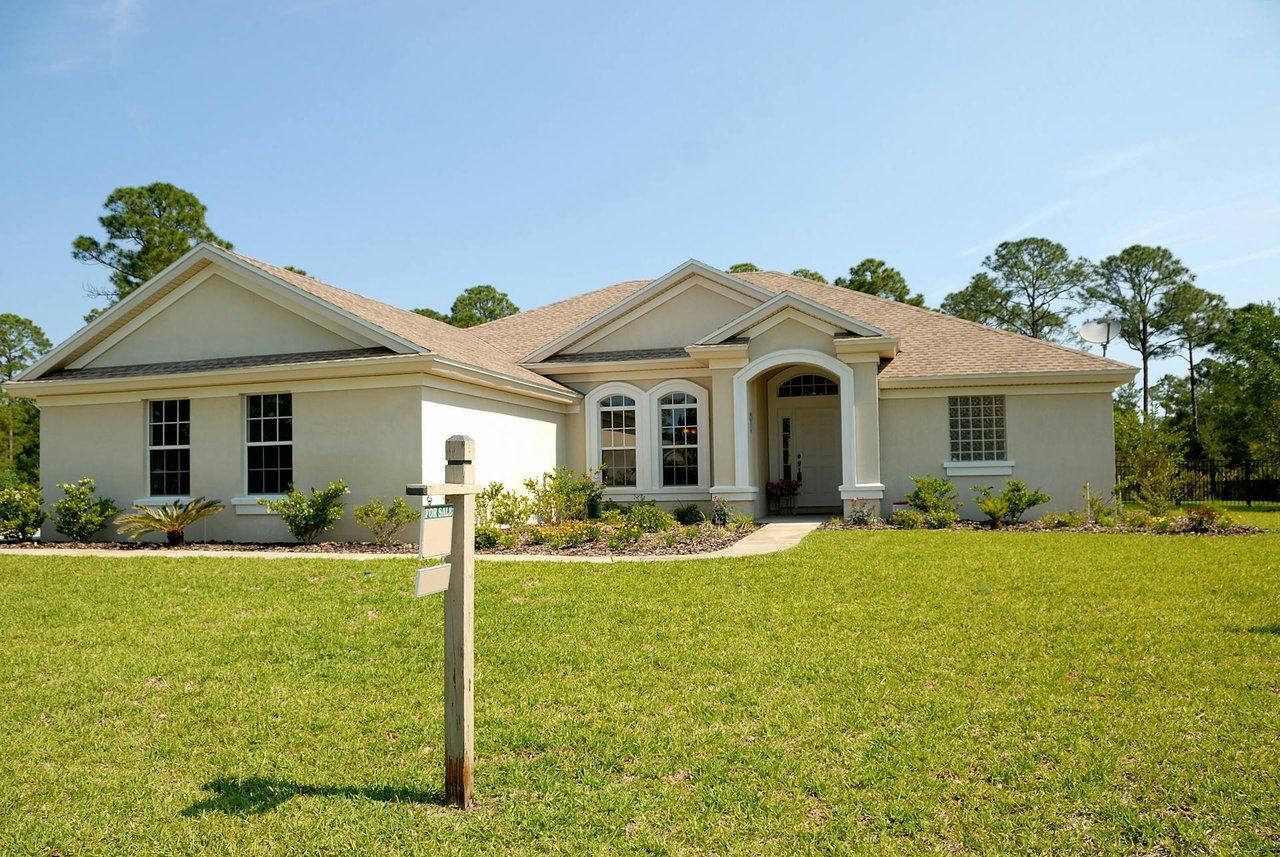
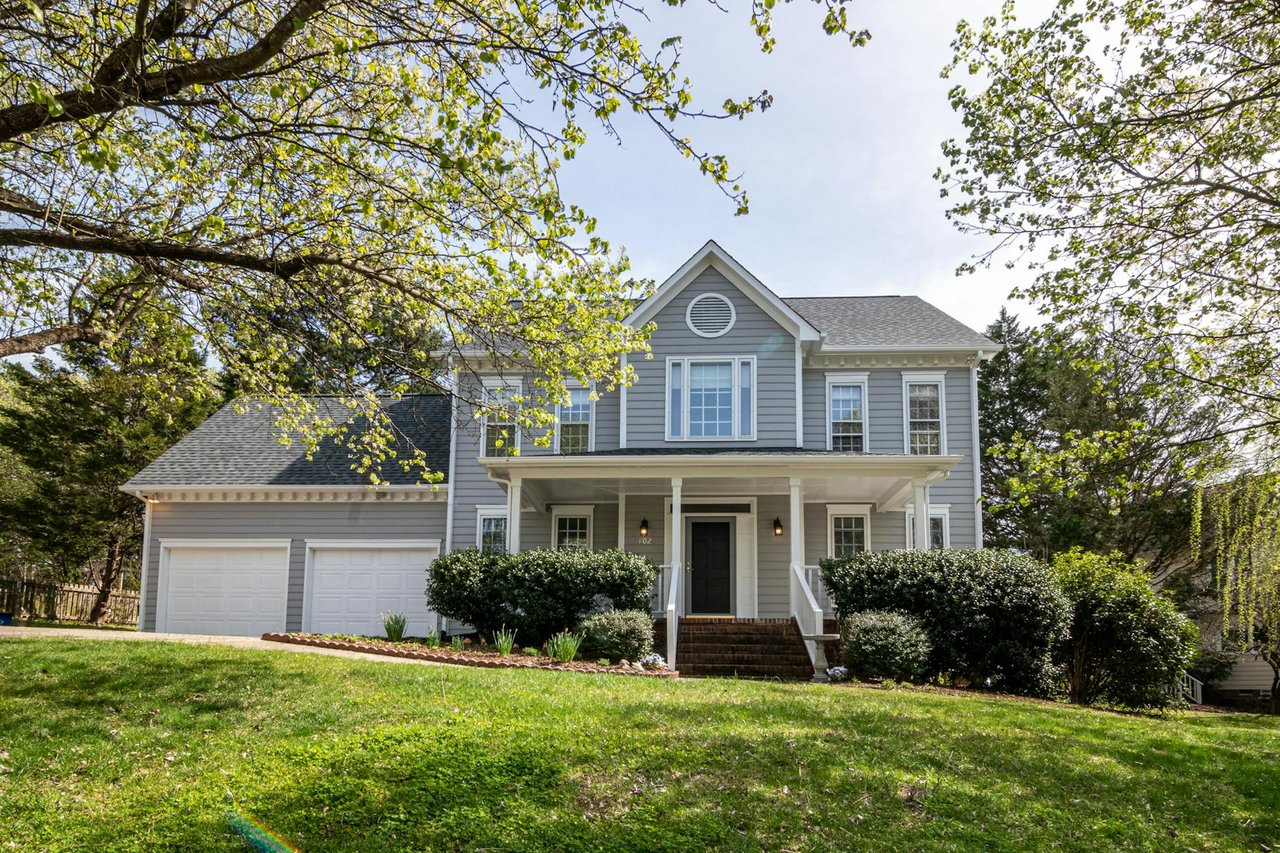
An accidental landlord is a homeowner who originally listed their property for sale, could not find a buyer at an acceptable price, pulled the listing, and then turned around and offered the home as a rental instead. It is not a planned investment strategy. It is a pivot born out of market reality.
According to a March 2026 report from Zillow, these unsold listings converted to rentals now account for 2.3% of all housing inventory currently listed on the platform. That figure represents the highest level since November 2022, when accidental landlords peaked at 2.4%, and analysts suggest the trend may not have peaked yet.
There is an important distinction between what happened in late 2022 and what is happening now. Back then, mortgage rates had more than doubled in a single year, climbing from around 3% to over 7%, and sellers were scrambling to adjust to a market that had flipped almost overnight. Buyer purchasing power had dropped sharply, and many homeowners were caught off guard.
Today's accidental landlords are not in that kind of distress. Zillow senior economist Kara Ng put it plainly: sellers are facing a different reality than they did a few years ago, with bargaining power tilting toward buyers and homes taking longer to sell. Rather than slashing prices, many homeowners are choosing to rent out their properties and wait for conditions that feel more favorable.
This is a key indicator that today's sellers are not in financial trouble. Zillow's own research found that while more than half of homes lost value over the previous year, only about 4.1% of homes were valued lower than their last sale price. That is dramatically better than the 11.2% of homes in that same position before the pandemic.
The markets with the highest concentration of accidental landlords tend to be places where buyer competition is softer, homes sit on the market longer, and price reductions are more common. Seven of the top 10 metros for this trend are located in Texas and Florida.
Top metros for accidental landlords include: Denver at 4.9%, Houston at 4.2%, Austin at 4.1%, San Antonio at 3.9%, Portland at 3.7%, Tampa at 3.7%, Miami at 3.5%, Dallas at 3.4%, Jacksonville at 3.3%, and Nashville at 3.2%.
On the flip side, cities with the lowest share of accidental landlords are the hottest, most competitive markets in the country, including Providence, Boston, New York, Hartford, and Buffalo. Eight of the ten least-affected metros appear on Zillow's hottest housing markets list for 2026.
Detached single-family homes make up the largest share of accidental landlord conversions, with 3.4% of single-family rentals on Zillow falling into this category. Townhomes come in at 2.2%, and condos at 1.1%.
Interestingly, condos have seen the sharpest proportional rise compared to their five-year average. During the early pandemic years, urban condos experienced a sharp drop in buyer demand as remote work made dense city living less appealing. That dynamic contributed to a condo-specific spike at the time. Now, with their lower price points making them somewhat less sensitive to interest rate fluctuations, condos are seeing renewed attention in the accidental landlord space.
When sellers convert their homes to rentals rather than accepting lower offers, it keeps their properties out of the for-sale inventory. For buyers, this can mean fewer options in certain price ranges. For prospective sellers, it signals that patience is a strategy some owners are willing to employ.
The seasonal pattern is also worth noting. This metric typically peaks in November, when sellers who listed in the spring and summer lose confidence heading into the slower fall season. With October 2025 data already matching the previous October high, the next few months will be telling.
For renters, this trend adds more single-family homes to the rental pool, which could provide additional options in markets where for-rent inventory has been tight. It is a silver lining in what is otherwise a complicated landscape.
Orange County continues to operate in a competitive environment. Unlike the Sunbelt metros that dominate the accidental landlord rankings, Southern California's market remains constrained by limited land and persistent demand. That said, homeowners here are not immune to the broader psychological shift happening nationally: sellers want their price, and if the market is not delivering it, more of them are exploring alternatives.
Whether you are a homeowner weighing your options or a buyer trying to understand why inventory is not where you expected it to be, these national trends provide important context. The housing market is always local, but it is never isolated.
Orange County is one of the most dynamic and rewarding places to own real estate in the country, and navigating it well requires a trusted partner who knows every corner of the market. Whether you are ready to sell, thinking about buying, or simply trying to understand how today's trends affect your next decision, I am here to help. Reach out to Whitestone Real Estate and let's have a real conversation about your goals. The right move starts with the right guidance.
Reference: Sabo, R. (2026, March 12). 'Accidental landlords' near record high as home sellers turn to rentals: Report. The Epoch Times.

Pending home sales drop for the second week as mortgage rates hit a 10-month high. Here's what it means for buyers and sellers today.

Housing affordability improved for 7 straight months. Learn what falling income requirements mean for buyers and sellers in Orange County and beyond.

Price cuts fell slightly in April 2026 as buyer demand rebounds. See what this means for Orange County buyers and sellers right now.
U.S. home prices rose 2.4% in April 2026, the biggest gain in 13 months. Here's what buyers and sellers in Orange County need to know now.

The U.S. housing market still favors buyers, but the gap is shrinking. Here's what April 2026 data means for Orange County.

Pending home sales hit a nearly 4-year high as mortgage rates dip, inventory grows, and spring buyers finally return to the market.
Inventory is up, purchase apps are surging, and spring is finally delivering. Here's what the latest housing data means for buyers and sellers.

NAR's Yun cuts his 2026 sales forecast from 14% to 4%. Here's what slower growth means for buyers, sellers, and the OC market.
Monthly housing payments rose for the first time in 6 months as mortgage rates and home prices climb amid market uncertainty.
Let's find a time that suits you best to chat about your goals, show you how we work, and figure out how we can help you the most
Get In Touch With Lisa
Broker Associate
949-877-7087
124 Tustin Ave Suite 200, Newport Beach, CA 92663