Builders Struggling with Rates and Tariffs in May
Lisa Mailhot | June 20, 2025
Buyers
Lisa Mailhot | June 20, 2025
Buyers
Disclaimer: This blog is for informational purposes only and may reference third-party sources, including quotes or data used verbatim with proper credit. All efforts are made to ensure originality and avoid plagiarism. Readers should verify details independently and consult a licensed professional before making real estate decisions.
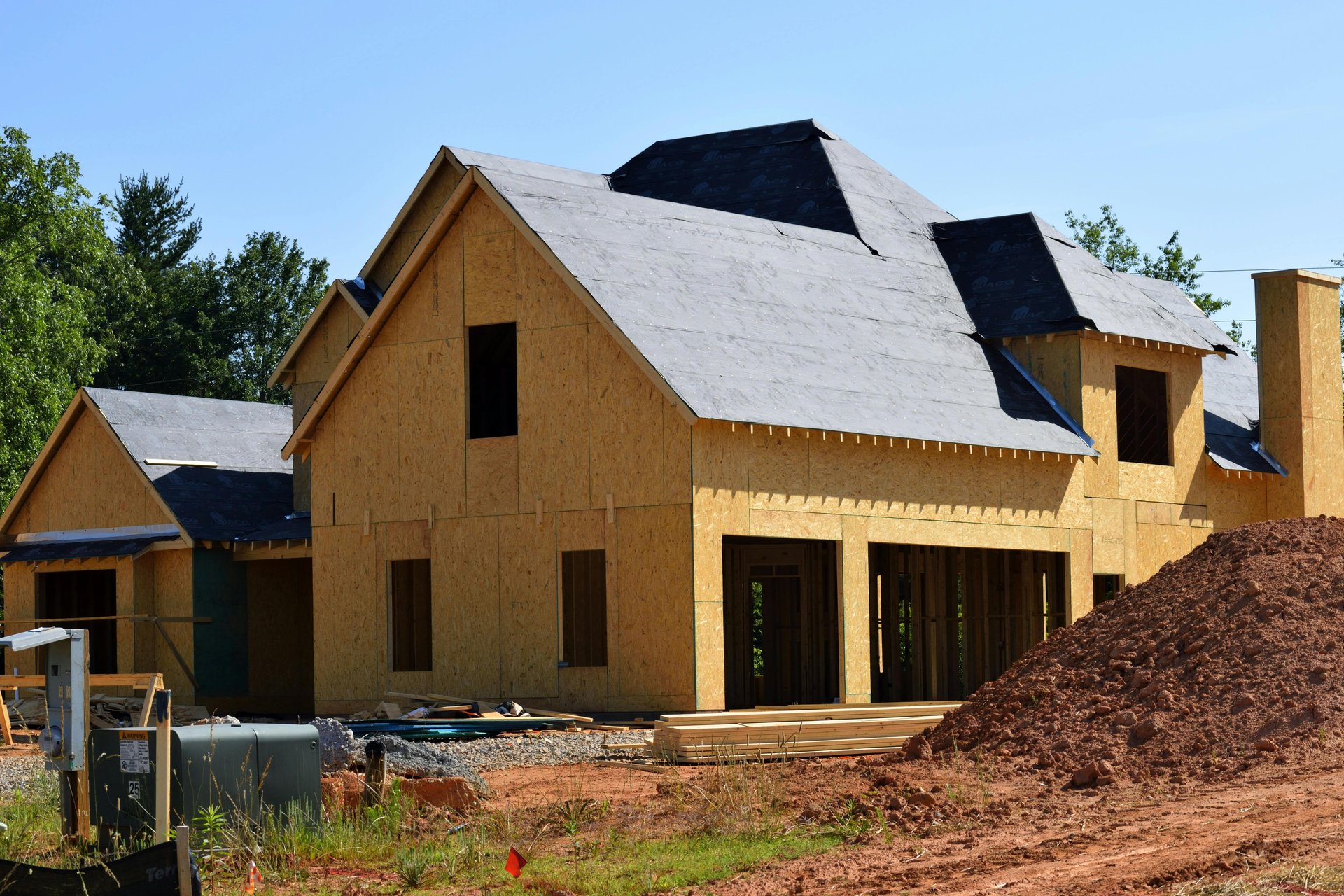
In May, the pace of single-family home construction continued its subdued trend, largely due to the effects of elevated interest rates and tariff uncertainties. These factors have significantly impacted the sentiment of builders, as they face mounting challenges in meeting demand while managing costs.
According to recent data from the U.S. Census Bureau, new construction of single-family homes edged up by 0.4% from April, bringing the seasonally adjusted annual rate to 924,000. However, this figure still represents a 7.3% decrease from the same time last year, reflecting a broader slowdown in the housing sector. Building permits, which indicate future construction activity, also saw a decline of 2.7% from April and were down 6.4% from May 2024.
This continued decline suggests that builders are cautious about moving forward with new projects, as the uncertainties surrounding tariffs and high interest rates take their toll.
The challenges faced by builders are not only financial but also logistical. According to Danielle Hale, Chief Economist at Realtor.com®, the ongoing trade war has increased the cost of materials, exacerbating the struggles of homebuilders. Additionally, labor shortages, compounded by immigration policies, are making it harder for builders to find the workforce needed to keep up with demand. As a result, many builders are becoming increasingly concerned about both supply and demand in the housing market.
To stimulate demand, many builders are resorting to price cuts and offering other buyer incentives. In June, 40% of builders reported reducing prices, a clear indication of the current market's challenges. Furthermore, 62% of builders used various incentives to attract buyers, such as upgrades or flexible financing terms. This trend reflects a broader shift in the market, with builders adjusting to a cooling demand for new homes.
The slowdown in single-family construction has varied by region. The Northeast saw a notable increase in building activity, with combined single-family and multifamily starts rising by 21.1% year-to-date. The Midwest also saw positive growth, with a 10.8% increase. However, the South experienced a 6.8% decline, and the West saw a 1.6% drop in construction starts, illustrating the varying impacts of current market conditions across different regions.
Despite the drop in new construction, the supply of new homes remains relatively strong, with over eight months of supply available at the current sales pace as of April. This, combined with an increase in the inventory of existing homes for sale, has led to price stabilization or even declines in some markets, creating more opportunities for buyers. However, as more builders adjust their outlooks and slow down their development pipelines, the availability of new homes could become more limited in the near future.
If you're considering making a move to Orange County, now could be a great time to explore your options. While the national housing market is facing its challenges, Orange County remains a prime location for buyers and investors looking for opportunities. Whether you're interested in buying a new home or investing in real estate, Whitestone Real Estate is here to guide you through the process. Don't let the current market uncertainty hold you back – contact me today to discuss your options and secure your next dream home in this vibrant region.
Reference: Griffith, K. (2025, June 18). Single-Family Home Construction Stays Muted in May as Builders Grapple With Rates and Tariffs. Realtor.com.

A new bipartisan bill may let first-time buyers pull up to $35,000 from a 529 plan tax free for a down payment. Here's what it means for Orange County.

A bipartisan bill could double the capital gains tax exclusion on home sales, freeing up Orange County inventory and rewarding long-term homeowners.
The 2026 summer housing market has slowed nationwide, giving buyers more time and leverage. Here's what it means for Orange County movers.

Fannie Mae and Freddie Mac's new condo underwriting rules could slow approvals and raise costs. Here's what Orange County buyers and sellers need to know.

A new federal housing law cuts red tape and boosts construction. Here is what it means for Orange County buyers, sellers, and investors.
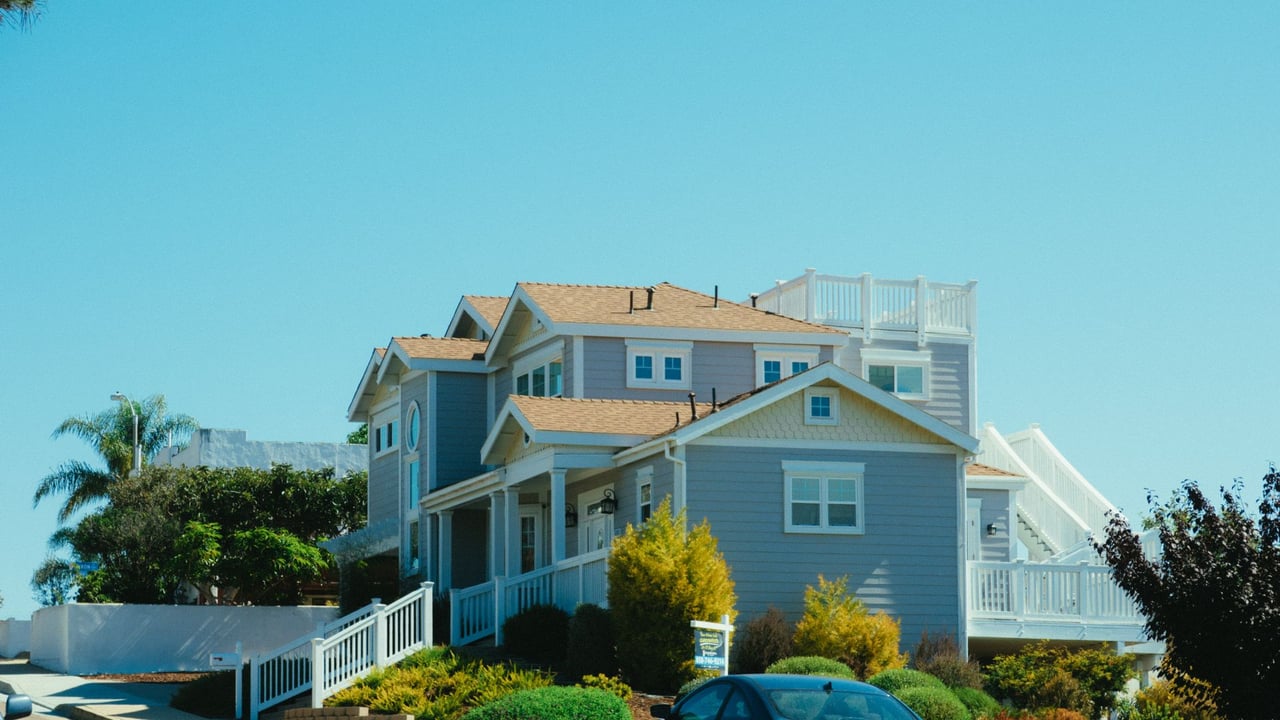
Homebuyer affordability dropped for a fifth month in a row. Here's what it means for Orange County buyers and sellers and how to plan your next move.

New Redfin data reveals weather beats affordability as the top reason Americans relocate, and Orange County has exactly what movers are chasing.
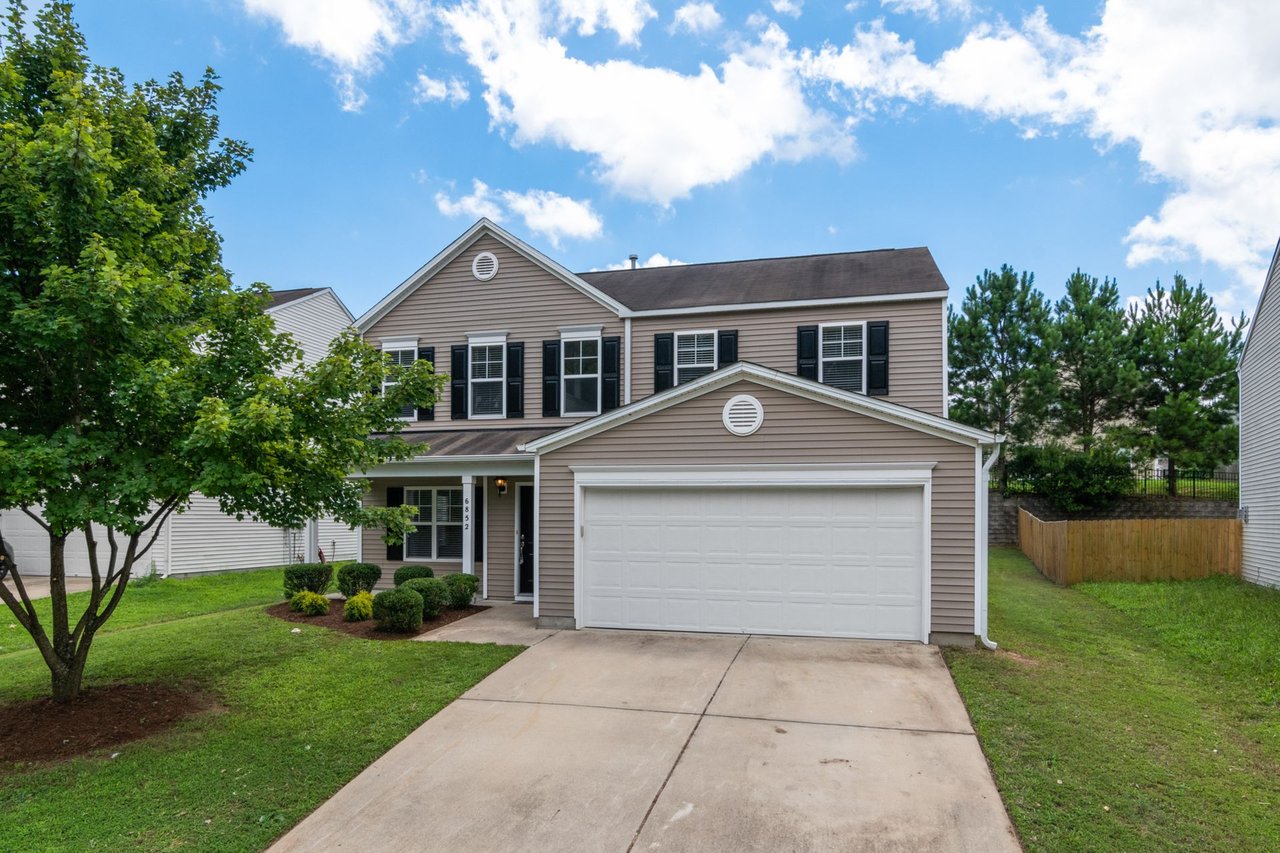
Pending home sales rose as mortgage rates briefly dipped. Here's what this summer housing market shift means for Orange County buyers and sellers.

Fed Governor Waller wants less forward guidance on rates. Here's what that means for Orange County buyers and sellers trying to time the market.
Let's find a time that suits you best to chat about your goals, show you how we work, and figure out how we can help you the most
Get In Touch With Lisa

Broker Associate
949-877-7087
124 Tustin Ave Suite 200, Newport Beach, CA 92663