States Are Rewriting the Rules on Starter Homes and Here Is What It Means for Buyers
Lisa Mailhot | February 19, 2026
Buyers
Lisa Mailhot | February 19, 2026
Buyers
Disclaimer: This blog is for informational purposes only and may reference third-party sources, including quotes or data used verbatim with proper credit. All efforts are made to ensure originality and avoid plagiarism. Readers should verify details independently and consult a licensed professional before making real estate decisions.
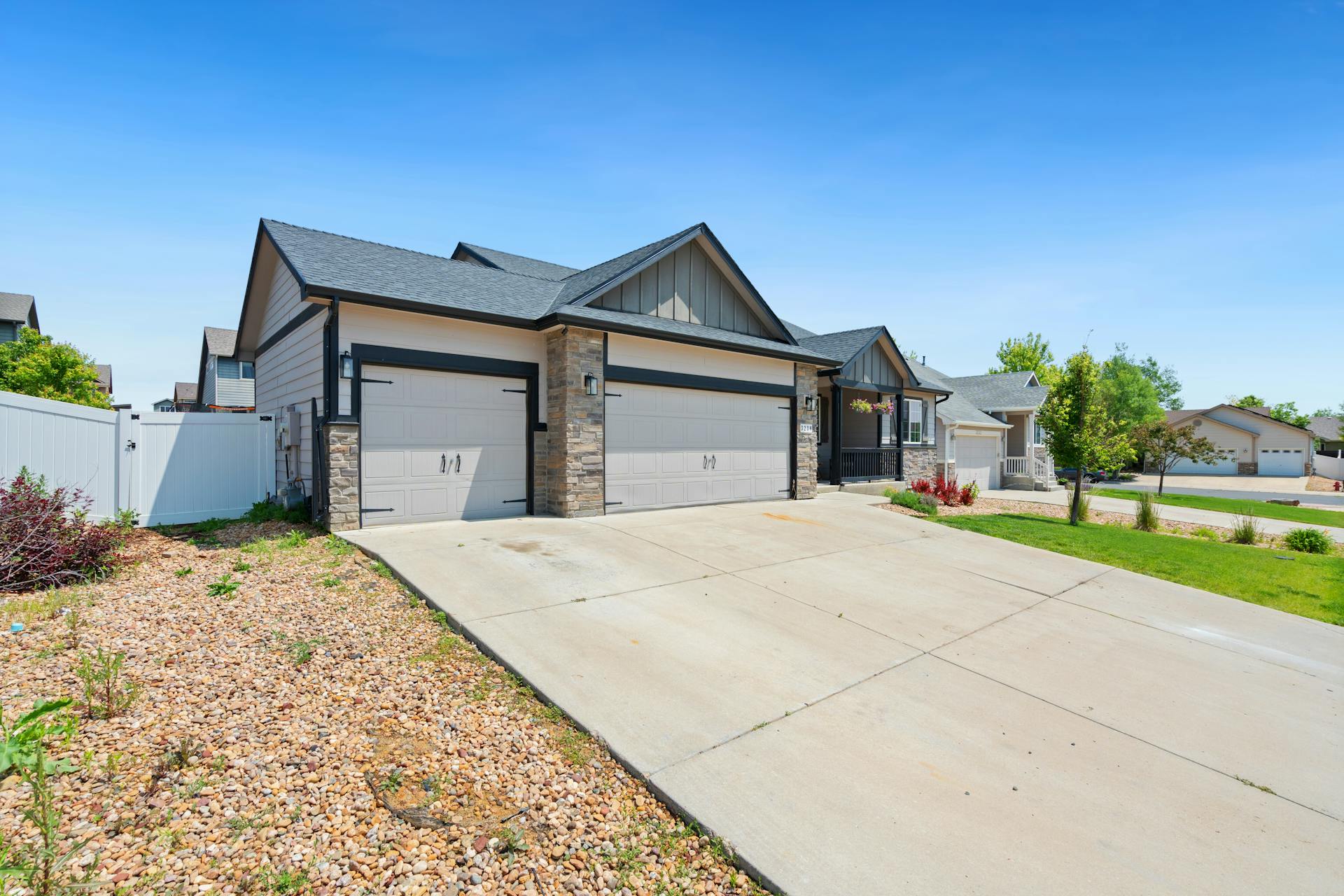
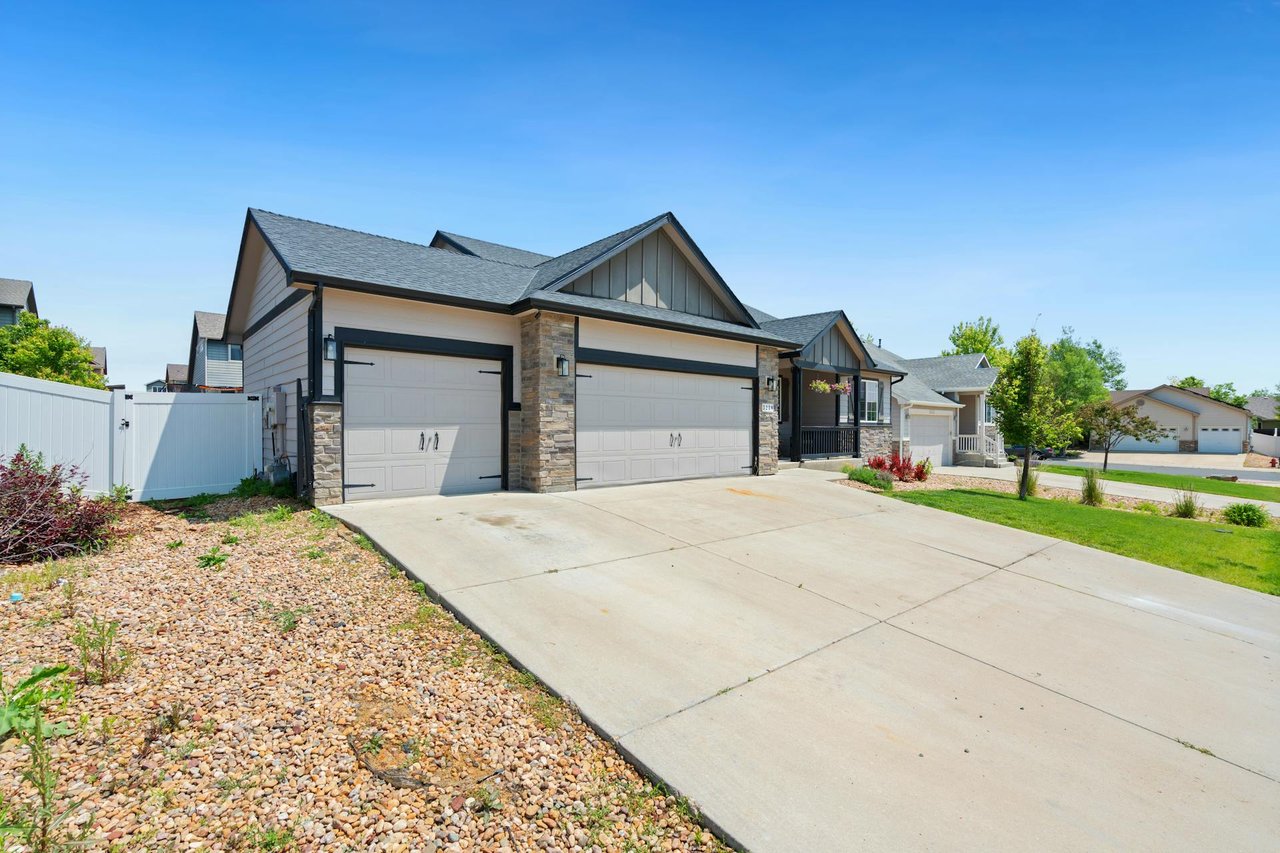
For many aspiring homeowners, the dream of buying a first home has felt increasingly out of reach. Across the country, minimum lot size requirements, restrictive zoning rules, and limited entry-level inventory have kept starter homes scarce and prices climbing well above what most families can realistically afford. But something is shifting. A growing number of states are now passing legislation specifically designed to bring starter homes back into the picture, and the momentum is picking up fast.
Starter home laws are pieces of legislation that limit how large a lot must be in a given area, effectively allowing builders to develop smaller, more affordable homes on smaller parcels of land. Without these kinds of guardrails, localities have historically been able to require every new house lot to be far larger than what local families can afford, which shuts out first-time buyers and keeps housing supply tight.
After years of advocacy and research, states like Maine and Texas were among the first to pass meaningful reforms. Now, several more states are bringing serious proposals to the table in 2026, including Idaho, Connecticut, Colorado, Kentucky, Michigan, Florida, and Maryland, among others. Each bill takes a slightly different approach, but the shared goal is expanding the supply of attainable, entry-level housing.
Idaho's proposed bill targets undeveloped parcels of four or more acres, capping minimum lot sizes at around 1,000 square feet while also limiting density to 12 units per acre. The law would also preempt newly written HOA deed restrictions that could otherwise block smaller homes from being built. This is significant because restrictive HOA rules have long been used to maintain neighborhood aesthetics at the expense of affordability. That said, analysts note some skepticism about whether the HOA preemption will function as intended in practice.
Connecticut's proposal takes a similar approach to Maryland's legislation, requiring access to public water and sewer and setting a 5,000 square foot minimum lot size in those areas. It also includes protections around setbacks, lot coverage, and home design, meaning that while the law opens the door to denser development, it still gives localities some tools to shape how that growth looks.
Colorado's bill sets a 2,000 square foot minimum lot size wherever local infrastructure standards can be met, with local implementation targeted by 2031. Unlike some other state proposals, Colorado's version does not include detailed protections against what are sometimes called "poison pill" provisions, which are local rules around setbacks, height limits, or parking requirements that can effectively neutralize a lot size reform even after it passes.
The fact that over a dozen states are simultaneously working on starter home legislation reflects just how widespread and urgent the affordability crisis has become. For years, the housing conversation focused on overall supply, but these bills zoom in on a very specific and underserved segment of the market: the first-time buyer who cannot afford a large home on a large lot but still wants to own something.
Researchers and housing advocates point out that without guardrails on minimum lot sizes, small homes simply cannot be built profitably in many communities. These state-level interventions are designed to change that equation. When more starter homes are built, more people can access homeownership, which in turn frees up rental housing, reduces competition across price points, and creates a healthier market overall.
For buyers, especially those entering the market for the first time, these legislative changes signal that more entry-level inventory could become available over the next several years in states that pass and successfully implement these laws. That is encouraging news, even if the relief is gradual rather than immediate.
For sellers, the expansion of starter home supply is worth watching in terms of how it affects demand at the lower end of the price spectrum. In markets where new construction of smaller homes increases meaningfully, it may affect how quickly and at what price entry-level existing homes move.
For investors and developers, the signal is clear: the policy environment is slowly but meaningfully shifting toward enabling smaller, denser, more affordable residential development.
The housing landscape is evolving, and the states leading the charge on starter home legislation are giving us a real-time look at what it takes to make homeownership achievable again for everyday buyers. If you have been thinking about making a move to Orange County, now is a great time to explore your options with someone who truly knows this market. Whether you are buying your very first home or looking to sell and take your next step, I would love to help you navigate the process with confidence. Reach out to Whitestone Real Estate today and let's find the right opportunity for you right here in Orange County.
Reference: Hale, D., & Realtor.com Staff. (2026, February). Starter home laws in Idaho, Connecticut, Colorado, and other states aim to tackle affordability. Realtor.com.

A new bipartisan bill may let first-time buyers pull up to $35,000 from a 529 plan tax free for a down payment. Here's what it means for Orange County.

A bipartisan bill could double the capital gains tax exclusion on home sales, freeing up Orange County inventory and rewarding long-term homeowners.

The 2026 summer housing market has slowed nationwide, giving buyers more time and leverage. Here's what it means for Orange County movers.

Fannie Mae and Freddie Mac's new condo underwriting rules could slow approvals and raise costs. Here's what Orange County buyers and sellers need to know.

A new federal housing law cuts red tape and boosts construction. Here is what it means for Orange County buyers, sellers, and investors.

Homebuyer affordability dropped for a fifth month in a row. Here's what it means for Orange County buyers and sellers and how to plan your next move.

New Redfin data reveals weather beats affordability as the top reason Americans relocate, and Orange County has exactly what movers are chasing.
Pending home sales rose as mortgage rates briefly dipped. Here's what this summer housing market shift means for Orange County buyers and sellers.

Fed Governor Waller wants less forward guidance on rates. Here's what that means for Orange County buyers and sellers trying to time the market.
Let's find a time that suits you best to chat about your goals, show you how we work, and figure out how we can help you the most
Get In Touch With Lisa

Broker Associate
949-877-7087
124 Tustin Ave Suite 200, Newport Beach, CA 92663