Major Housing Bill Passes With Implications for Orange County Buyers and Sellers
Lisa Mailhot | February 11, 2026
Buyers

Lisa Mailhot | February 11, 2026
Buyers
Disclaimer: This blog is for informational purposes only and may reference third-party sources, including quotes or data used verbatim with proper credit. All efforts are made to ensure originality and avoid plagiarism. Readers should verify details independently and consult a licensed professional before making real estate decisions.
The housing market is experiencing a seismic shift, and Washington has taken notice. In a rare display of bipartisan cooperation, the House of Representatives recently passed the Housing for the 21st Century Act with an overwhelming 390-9 vote. This sweeping legislation aims to tackle one of the most pressing challenges facing Americans today: housing affordability. For those looking to buy or sell in Orange County, understanding what this bill means for the future of real estate is essential.
The housing affordability crisis has reached unprecedented levels across the United States. According to real estate economists, our nation currently faces a shortage of approximately 4 to 5 million homes, a deficit that has been years in the making and continues to drive prices upward. The median price of a house has surged 69 percent from 1995 to 2024, placing homeownership increasingly out of reach for many American families.
This legislative package represents a comprehensive approach to addressing the supply shortage through practical reforms. Sponsored by House Financial Services Committee Chair French Hill and ranking member Maxine Waters, the bill garnered support from over 70 organizations, including the National Association of Realtors and the National Association of Home Builders.
The Housing for the 21st Century Act contains more than two dozen provisions designed to modernize federal housing programs and remove barriers to home construction. Key components include streamlining regulatory requirements that have historically slowed down development, modernizing the Department of Housing and Urban Development's programs, and increasing maximum loan limits for Federal Housing Administration multifamily mortgage insurance programs.
One particularly noteworthy provision focuses on expanding "missing middle" housing—the range between single-family homes and larger apartment buildings. This approach primarily aids first-time homebuyers and lower-income Americans, groups that have been especially squeezed by rising costs. Recent public surveys indicate strong support for this approach, with more than 60 percent of respondents favoring increased missing middle housing development.
The bill also addresses community banking provisions, allowing banks with less than six billion dollars in assets to qualify for limited scope bank examinations and making it easier for new banks to form. These changes could help increase mortgage availability for potential homeowners by giving banks more flexibility to deploy capital toward housing supply.
While the House has spoken decisively, the legislation now moves to the Senate for consideration. The Senate has its own version called the ROAD (Renewing Opportunity in the American Dream) to Housing Act, which passed the Senate Banking, Housing, and Urban Affairs Committee unanimously. Although both bills share similar objectives and some overlapping provisions, differences between the two versions will need to be reconciled before a final bill can reach the president's desk.
President Donald Trump has signaled his commitment to addressing housing affordability during his administration. He previously signed an executive order targeting large investment firms buying single-family homes and included tax incentives for development in economically distressed communities in his One Big Beautiful Bill Act.
While even major structural changes would take the better part of a decade to build the needed homes nationwide, this legislation represents meaningful momentum toward reform. For Orange County specifically, where housing demand remains consistently high and inventory tight, any measures that increase supply and improve affordability could have significant long-term benefits.
The bill's focus on reducing red tape and streamlining construction processes could potentially accelerate new housing development in our area. The modernization of federal housing programs may also expand financing options for buyers who previously found homeownership out of reach. Additionally, provisions supporting missing middle housing could diversify the types of properties available in Orange County communities.
Industry experts have expressed optimism about the bipartisan support behind these reforms. The fact that lawmakers from both parties recognize the urgency of the housing crisis suggests that meaningful change may finally be on the horizon.
The housing affordability crisis did not develop overnight, and solving it will require sustained effort and collaboration. However, the passage of the Housing for the 21st Century Act represents a critical step toward creating more opportunities for Americans to achieve homeownership. As this legislation progresses through the Senate and potentially becomes law, it could reshape the housing landscape for years to come.
If you're considering making a move to Orange County or are thinking about selling your property in this dynamic market, now is the time to have a knowledgeable partner by your side. At Whitestone Real Estate, we stay on top of legislative changes, market trends, and local opportunities to ensure our clients make informed decisions. Whether you're a first-time buyer navigating new financing options or a seller looking to capitalize on current market conditions, we're here to guide you through every step of the process. Reach out today, and let's discuss how these changes could impact your real estate goals.
Reference: Navera, T. (2026, February 9). House passes major housing bill aimed at home affordability and to speed up construction. Realtor.com

A new bipartisan bill may let first-time buyers pull up to $35,000 from a 529 plan tax free for a down payment. Here's what it means for Orange County.

A bipartisan bill could double the capital gains tax exclusion on home sales, freeing up Orange County inventory and rewarding long-term homeowners.
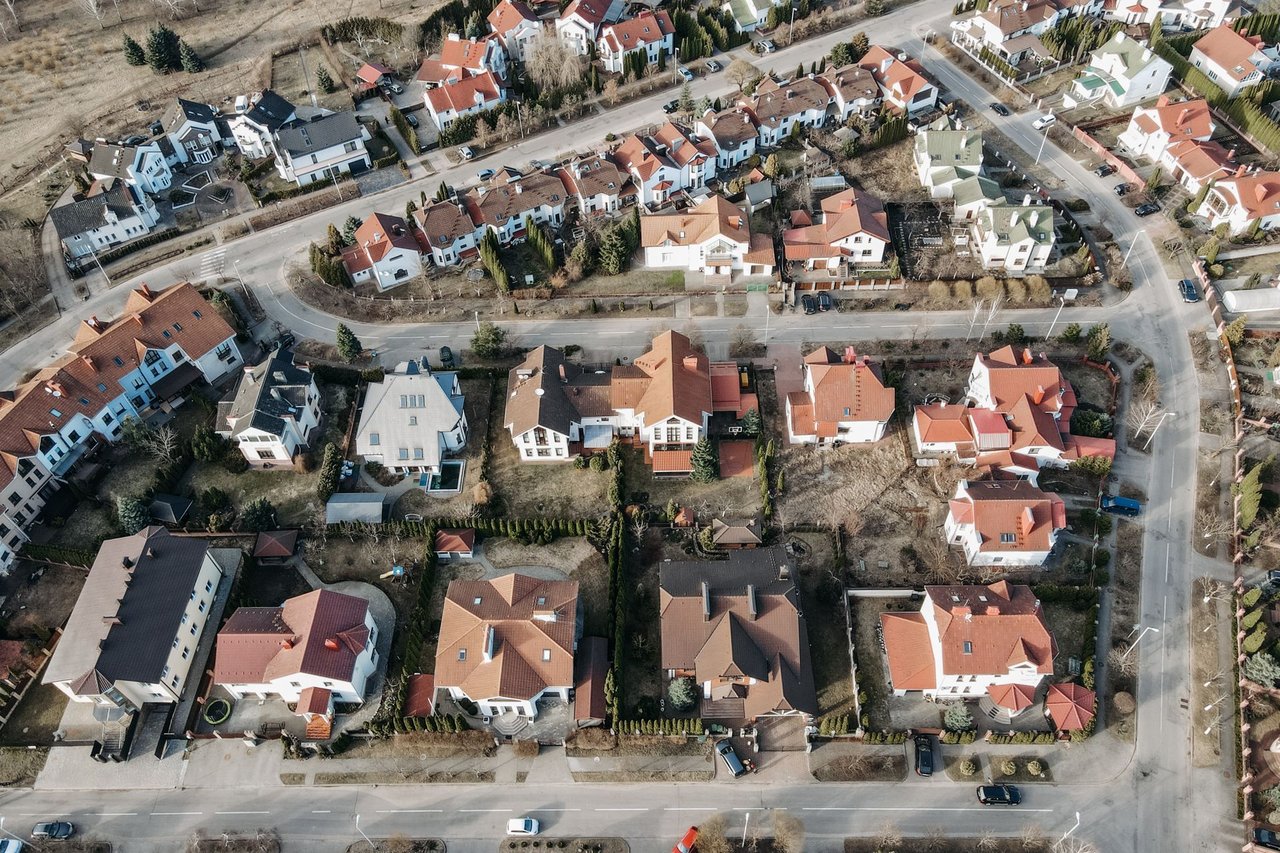
The 2026 summer housing market has slowed nationwide, giving buyers more time and leverage. Here's what it means for Orange County movers.

Fannie Mae and Freddie Mac's new condo underwriting rules could slow approvals and raise costs. Here's what Orange County buyers and sellers need to know.

A new federal housing law cuts red tape and boosts construction. Here is what it means for Orange County buyers, sellers, and investors.
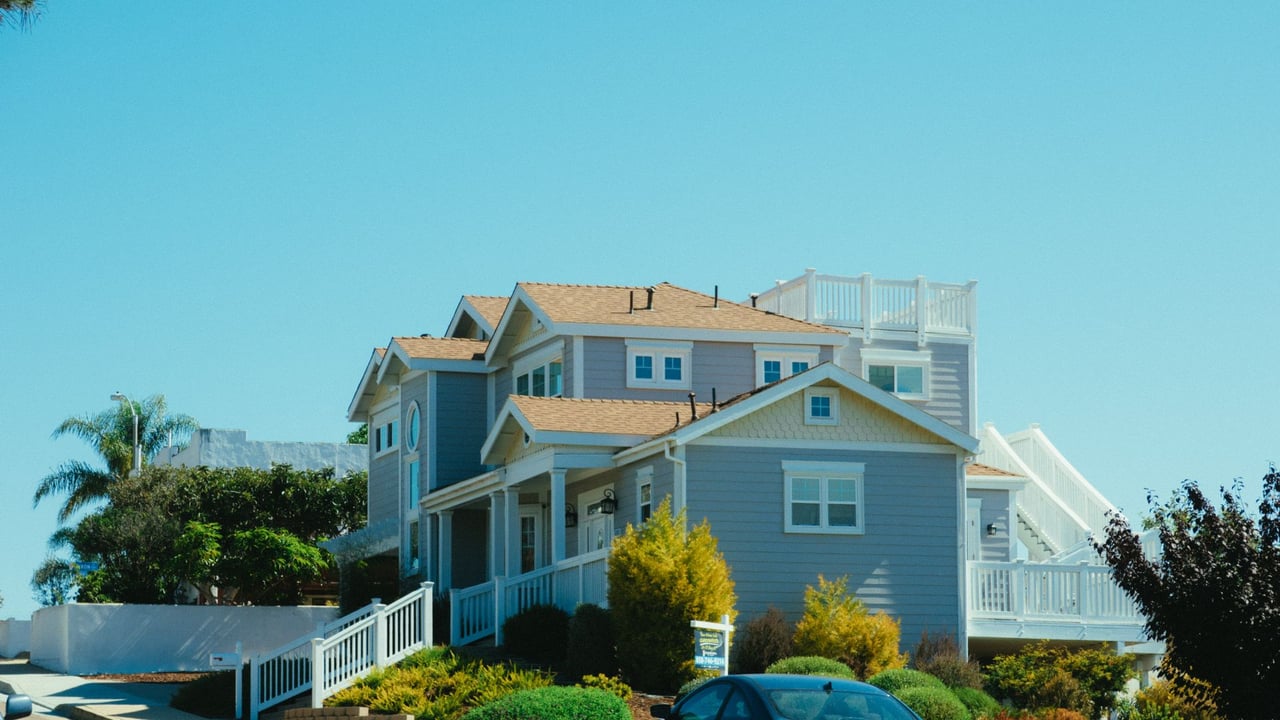
Homebuyer affordability dropped for a fifth month in a row. Here's what it means for Orange County buyers and sellers and how to plan your next move.

New Redfin data reveals weather beats affordability as the top reason Americans relocate, and Orange County has exactly what movers are chasing.
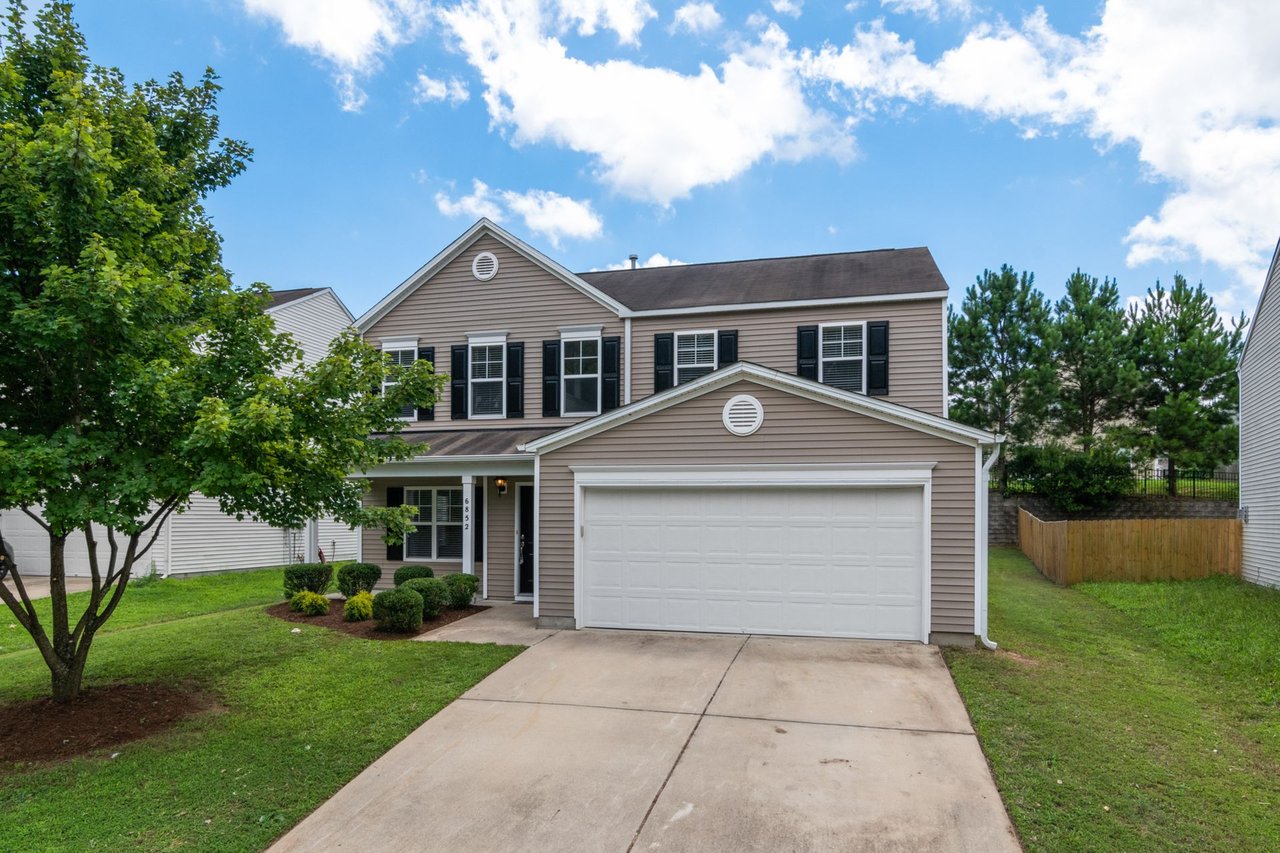
Pending home sales rose as mortgage rates briefly dipped. Here's what this summer housing market shift means for Orange County buyers and sellers.

Fed Governor Waller wants less forward guidance on rates. Here's what that means for Orange County buyers and sellers trying to time the market.
Let's find a time that suits you best to chat about your goals, show you how we work, and figure out how we can help you the most
Get In Touch With Lisa

Broker Associate
949-877-7087
124 Tustin Ave Suite 200, Newport Beach, CA 92663