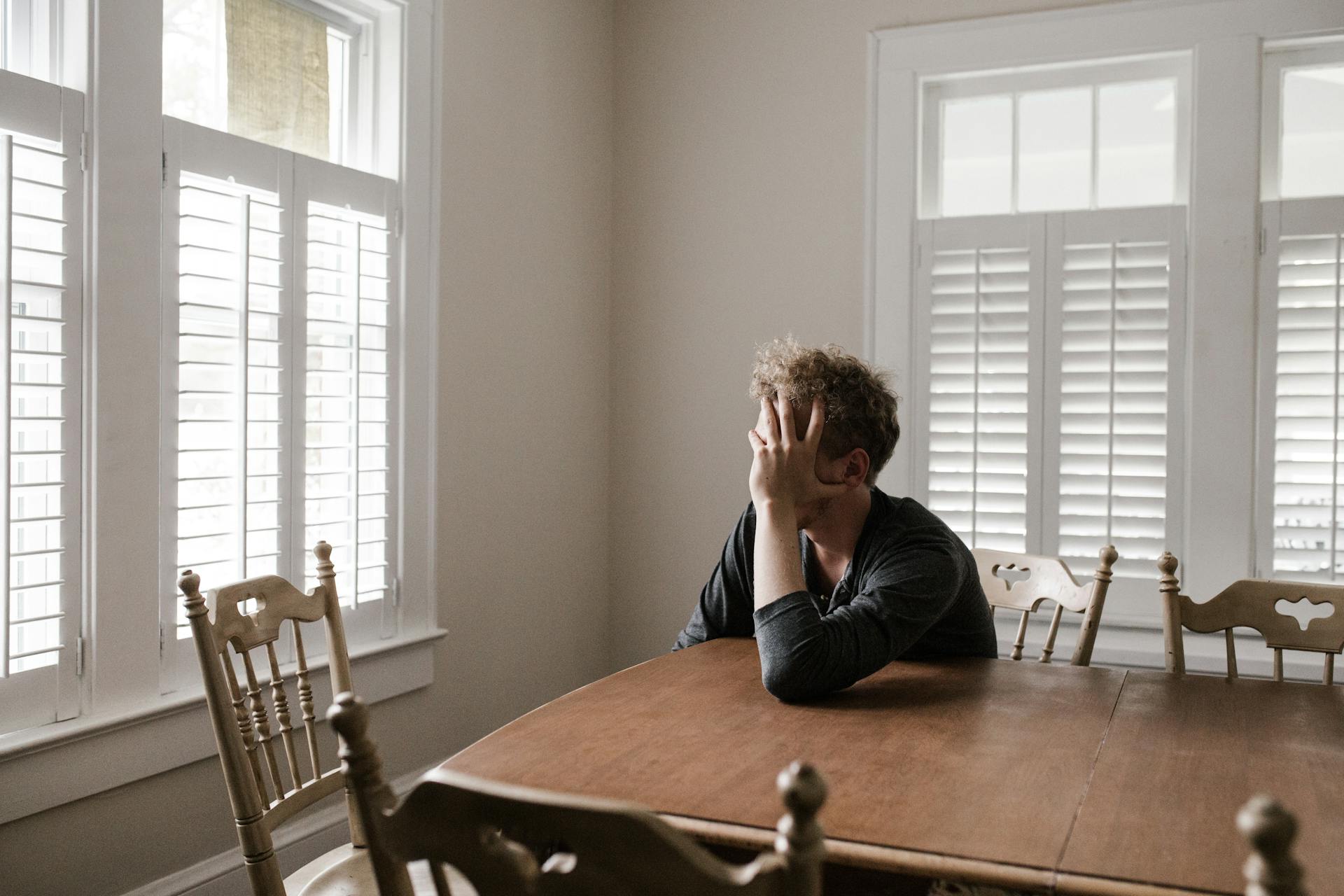
The Hidden Cost of Being Single and Housing Affordability in Today's Market
Lisa Mailhot | February 16, 2026
Buyers
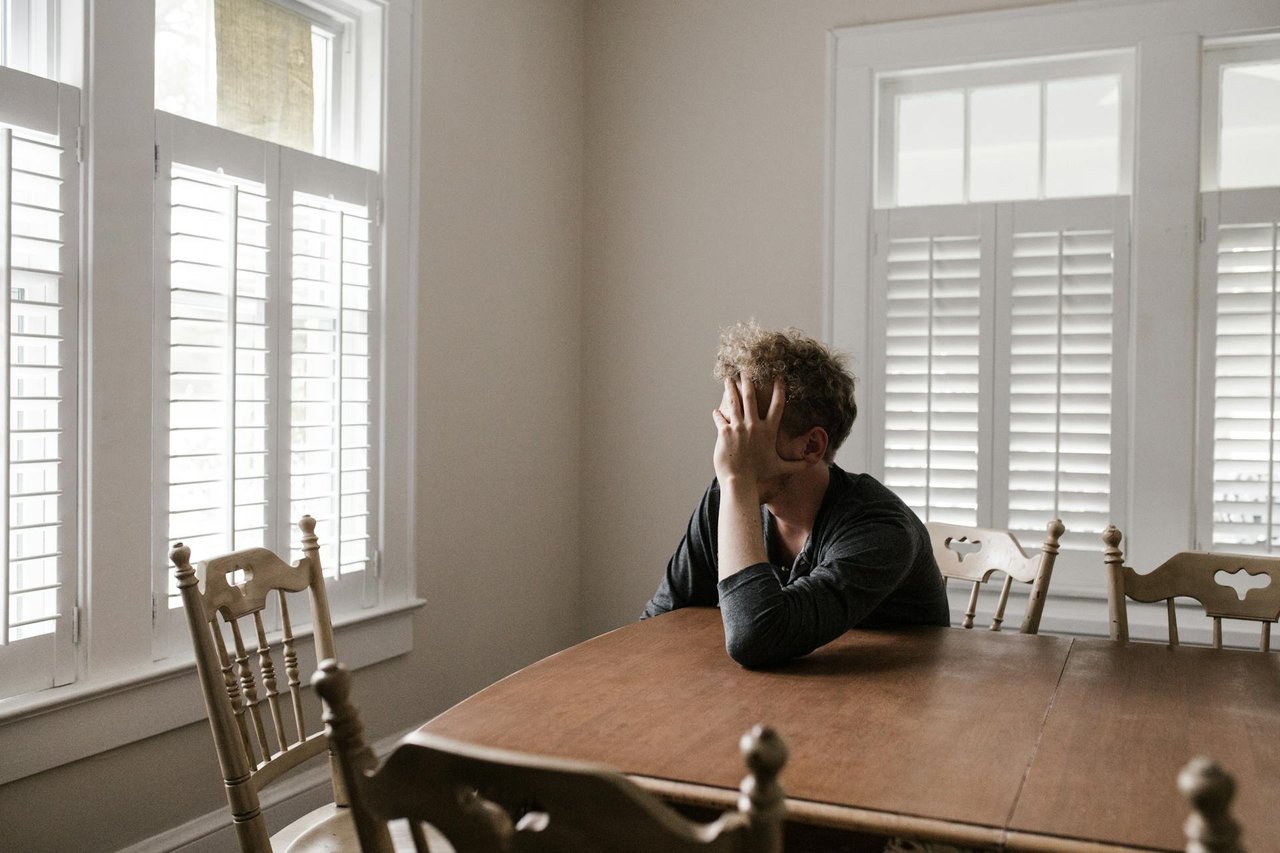
Lisa Mailhot | February 16, 2026
Buyers
Disclaimer: This blog is for informational purposes only and may reference third-party sources, including quotes or data used verbatim with proper credit. All efforts are made to ensure originality and avoid plagiarism. Readers should verify details independently and consult a licensed professional before making real estate decisions.
Recent data reveals a striking truth: single Americans face significantly greater housing affordability challenges compared to their married counterparts. Understanding these dynamics can help you make smarter real estate decisions, whether you're buying your first home, upgrading, or considering investment opportunities in Orange County.
Housing affordability has become one of the most pressing challenges facing Americans today. A recent survey conducted in November 2025 uncovered a troubling disparity: nearly two-thirds of single people struggle to afford their regular rent or mortgage payments, while only about two-fifths of married people face the same challenge. This represents a substantial gap that reflects deeper economic and structural realities in today's housing market.
The struggles are real and pervasive. With home prices having climbed nearly fifty percent since before the pandemic and rental prices increasing by roughly twenty percent, millions of households are stretched thin. When you factor in elevated mortgage rates that remain significantly higher than pre-pandemic levels and rising costs for everyday necessities, it's clear why so many people feel financially squeezed.
There are several interconnected reasons why single individuals encounter more difficulty affording housing than married couples. First and foremost is the income disparity. Nearly half of single survey respondents report earning household incomes below fifty thousand dollars annually, compared to just nine percent of married people. On the opposite end of the spectrum, married couples are three times more likely to earn household incomes between one hundred thousand and five hundred thousand dollars.
This income gap stems from a fundamental reality: many married couples can pool two incomes to cover housing costs that were largely designed with dual-income households in mind. Single people, meanwhile, must shoulder these expenses alone on a single salary. Beyond income, married couples also benefit from tax advantages unavailable to single filers and can split expenses like groceries, utilities, and childcare, reducing each individual's financial burden.
Age also plays a critical role. Single people tend to be younger, meaning they're earlier in their careers and haven't yet reached peak earning potential. Many are still managing student loan debt, which further constrains their housing budgets. The combination of lower income, fewer tax benefits, higher individual expenses, and less accumulated savings creates a perfect storm of affordability challenges.
To illustrate the extra financial burden single people face, consider Washington D.C., where more than half the adult population is single. The typical condo in the D.C. metro area costs around three hundred seventy-nine thousand dollars. With current mortgage rates and the local median HOA fee of five hundred sixty-six dollars, monthly payments total approximately two thousand nine hundred seventy-four dollars. A single person living alone bears this entire cost, while a married or cohabitating couple might split it, paying roughly fourteen hundred eighty-seven dollars each. Over a year, this creates a singles tax of nearly eighteen thousand dollars.
The situation is even more dramatic in expensive markets like San Francisco. The typical condo there costs nine hundred eighty thousand dollars, with monthly payments reaching six thousand nine hundred fifty dollars when including HOA fees. For single buyers, this translates to an annual singles tax exceeding forty-one thousand dollars compared to what each person in a couple would pay.
Here in Orange County, housing costs also run high, though the dynamics vary by neighborhood and property type. Understanding how these numbers play out in your specific situation can be crucial when planning your next move.
The affordability crisis doesn't just make housing more expensive—it also reduces mobility. Single Americans are nearly twice as likely as married people to report staying put because they can't afford the type of home they want to move to. More than two in five single people cite moving expenses as a barrier, compared to about a quarter of married couples.
This immobility has real consequences. It can prevent people from pursuing better job opportunities, living closer to family, or simply upgrading to a home that better suits their needs. For single people especially, the combination of high housing costs, limited income, and expensive moving costs creates a situation where staying in place feels like the only financially viable option, even when it's not ideal.
As married couples make up a smaller share of U.S. households than in previous decades, policymakers are beginning to recognize the need for housing solutions that serve single-person households. This includes zoning for accessory dwelling units, single-room housing options like dormitories, and streamlining the development of apartment complexes with studios and one-bedroom units.
These policy shifts could help address the structural mismatch between housing supply and the growing number of single-person households. For real estate professionals and buyers alike, understanding these trends can inform smarter investment decisions and help anticipate where housing development might be headed in the coming years.
Whether you're single or married, navigating Orange County's real estate market requires insight, strategy, and local expertise. The data makes clear that single buyers face unique challenges, from income constraints to the financial singles tax that comes with shouldering housing costs alone. However, with the right guidance and a solid understanding of market conditions, homeownership remains an achievable goal.
If you're considering making a move in Orange County, whether you're a first-time buyer navigating the market solo, a couple ready to upgrade, or an investor looking for opportunities, I'm here to help. At Whitestone Real Estate, we understand the nuances of today's housing market and can help you find solutions tailored to your specific financial situation and goals. Let's connect and explore how we can make your real estate dreams a reality—together, we'll find the right path forward for you.
Reference: Anderson, D. (2026, February 12). 64% of single Americans struggle to afford housing, compared with 39% of married people. Redfin.

NAR's Yun cuts his 2026 sales forecast from 14% to 4%. Here's what slower growth means for buyers, sellers, and the OC market.
Monthly housing payments rose for the first time in 6 months as mortgage rates and home prices climb amid market uncertainty.
Mortgage rates climbed to 6.38% the week of March 27. Here's what rising rates, shifting inventory, and market uncertainty mean for buyers and sellers.

Mortgage rates hit a 3-month high, monthly payments climb, and buyers pause. Here's what it means for you in Orange County.
U.S. home prices grew just 0.1% in February 2026, signaling a strong buyer's market. Here's what it means for Orange County buyers and sellers.
Missing middle housing starts hit their highest level since 2007. Here's what this means for Orange County buyers and the housing market.

New data reveals a striking gap in real estate wealth across income groups — and why homeownership still matters for building long-term financial security.

Americans 70+ now hold a record share of real estate wealth. Here's what the data means for buyers, sellers, and wealth builders.
Private Exclusive and Coming Soon listings could boost housing inventory by up to 12%. Here's what Orange County buyers and sellers need to know.
Let's find a time that suits you best to chat about your goals, show you how we work, and figure out how we can help you the most
Get In Touch With Lisa

Broker Associate
949-877-7087
124 Tustin Ave Suite 200, Newport Beach, CA 92663