How New Lumber Costs Could Shape Orange County’s Housing Market
Lisa Mailhot | October 14, 2025
Buyers
Lisa Mailhot | October 14, 2025
Buyers
Disclaimer: Some content in this article includes direct quotes and references from publicly available sources. Full credit is given to the original author and publisher. This blog post is for informational purposes only and does not claim ownership of any third-party content.
President Donald Trump’s new tariffs on imported lumber and wooden fixtures have officially taken effect, introducing a 10% tariff on timber and lumber imports and a 25% duty on cabinets and furniture. According to Realtor.com, “Those tariffs are set to jump higher on Jan. 1, rising to 30% for wooden furniture and 50% for kitchen cabinets and vanities.”
The move, aimed at boosting U.S. timber production, has received mixed reactions. While domestic producers welcome the change, many homebuilders argue that “these new tariffs will create additional headwinds for an already challenged housing market by further raising construction and renovation costs,” according to Buddy Hughes, Chairman of the National Association of Home Builders (NAHB).
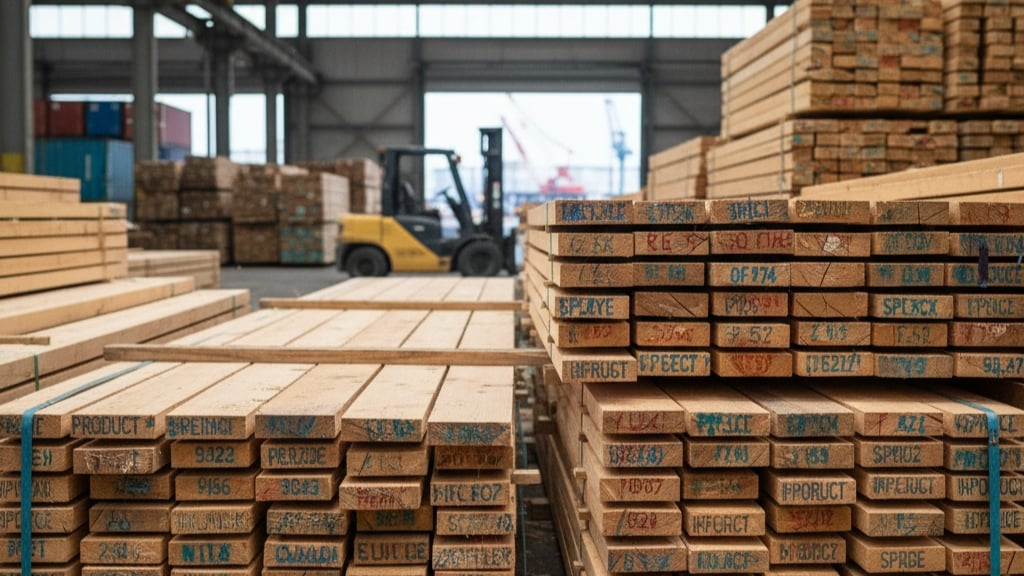
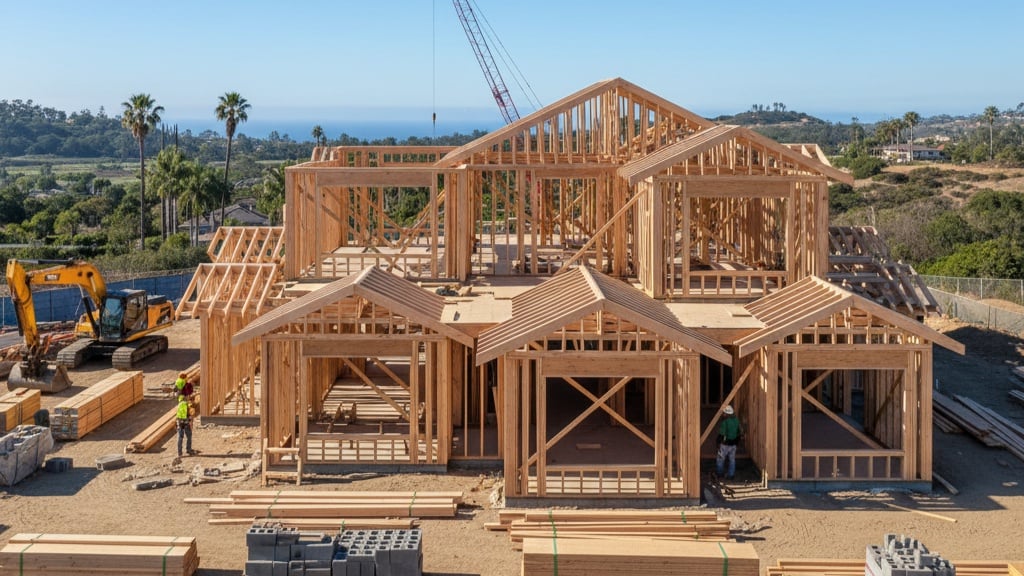
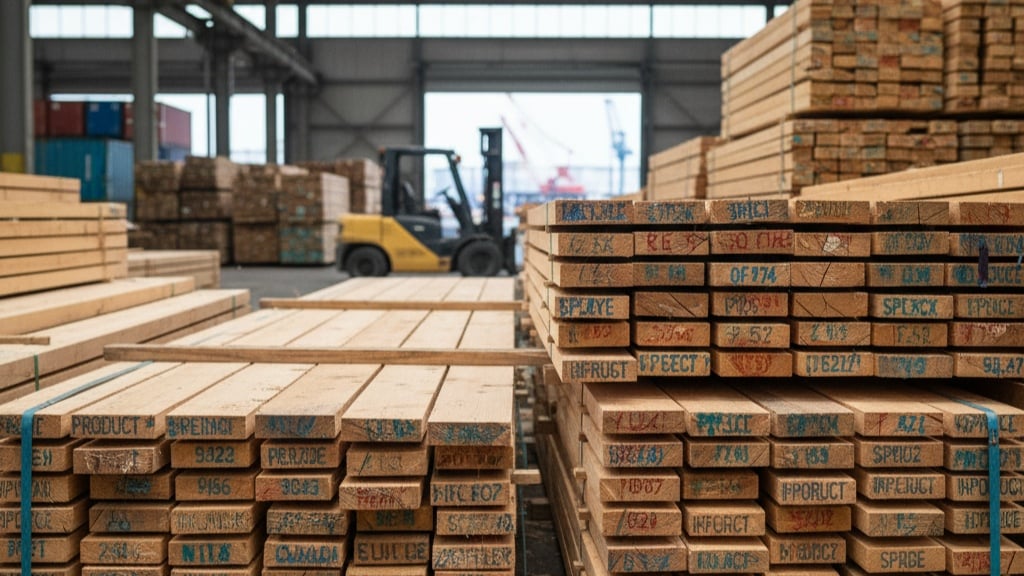
Here in Orange County — where new development, remodels, and luxury renovations are central to our real estate landscape — rising construction costs could have a noticeable ripple effect. Homebuilders rely heavily on imported lumber, and Realtor.com notes that roughly “85% of imported lumber comes from Canada,” which is already subject to separate 35% tariffs. With the new tariffs stacking on top of that, total duties could reach 45%, significantly increasing costs for builders and remodelers.
This means new home prices could climb, renovation projects may get delayed, and homeowners may see higher bids from contractors. For buyers, this could tighten inventory further as builders slow production; for sellers, it could mean higher property values due to reduced housing supply.
According to NAHB analysis cited in the report, “U.S. sawmills are operating at just 64% of their potential capacity,” and it may “take years until domestic lumber production ramps up to meet the needs of our citizens.” In the meantime, imported softwood lumber remains vital for building, remodeling, and repairing homes.
Nationally, about “94% of all new homes in the U.S. were framed with dimensional lumber in 2024,” with framing costs averaging $49,763 — roughly 12% of a home’s total cost. Cabinets and countertops added another $19,056 on average, or 4.5% of the total. As materials become more expensive, those percentages are likely to rise, squeezing builder profit margins even further.
The impact is already showing in national construction data. Based on Realtor.com’s reporting, “Residential building permits… dropped 3.7% from July to a seasonally adjusted annual rate of 1,312,000,” marking the longest stretch of decline since 2008. Tariff uncertainty, higher interest rates, and cautious demand from homebuyers are adding to the slowdown.
While these trends are national, Orange County could feel them more acutely — given its higher land costs, premium construction materials, and robust renovation market.
In times of economic and policy shifts, understanding how national trends like tariffs affect local real estate is key. Whether you’re planning to buy, sell, or invest, staying informed helps you make confident decisions. If you’re considering a move to Orange County or curious how these market forces could influence your next transaction, connect with Whitestone Real Estate. We’ll help you navigate the changing landscape and seize opportunities — even in a market that’s evolving every day.
Reference: Griffith, K. (2025, October 14). Trump’s Tariffs on Lumber and Cabinetry Kick In, Hitting Homebuilding and Renovation. Realtor.com.
Homebuyer affordability dropped for a fifth month in a row. Here's what it means for Orange County buyers and sellers and how to plan your next move.
New Redfin data reveals weather beats affordability as the top reason Americans relocate, and Orange County has exactly what movers are chasing.
Pending home sales rose as mortgage rates briefly dipped. Here's what this summer housing market shift means for Orange County buyers and sellers.

Fed Governor Waller wants less forward guidance on rates. Here's what that means for Orange County buyers and sellers trying to time the market.
A new Redfin survey shows most homeowners feel their home reflects who they are. Here's what it means for Orange County buyers.
Harvard's 2026 housing report reveals deep affordability struggles nationwide. Here's what it means for Orange County buyers and sellers.
Mortgage rates hover in the mid-6% range this June. Here's what buyers and sellers in Orange County need to know right now.
Home delistings hit near-record highs in April 2026. Learn what's driving sellers to pull listings and what it means for Orange County buyers and sellers.
Homeowners insurance premiums are climbing fast. Learn what's driving costs up and what it means for buyers and sellers in today's market.
Let's find a time that suits you best to chat about your goals, show you how we work, and figure out how we can help you the most
Get In Touch With Lisa
Broker Associate
949-877-7087
124 Tustin Ave Suite 200, Newport Beach, CA 92663