More Homes, Fewer Buyers in California Market
Lisa Mailhot | May 6, 2025
Buyers

Lisa Mailhot | May 6, 2025
Buyers
California’s real estate landscape is shifting dramatically. The number of active listings reached a post-pandemic high in April, surpassing 64,900 homes—outpacing April 2020 levels. While this inventory surge is happening nationally, “the gain is more pronounced in California,” where active listings jumped 50% from a year earlier, compared to 31% nationally.
At the heart of this inventory build-up is a stunning drop in home sales. Since mid-2023, “total sales of single-family homes and condos in California have hovered below the depths reached during the Great Recession in 2008,” according to ATTOM data.
The slowdown in California home sales is being driven by a complex mix of economic challenges. Even as “more sellers are entering the market,” the broader slowdown is being driven by affordability challenges and cautious consumer sentiment.
“Home sales slowed in March as both buyers and sellers grew more concerned about the ongoing tariff situation and its potential impact on their personal finances,” said CAR President Heather Ozur.
Affordability remains one of California’s toughest obstacles. With median home prices more than eight times the typical household’s income, many buyers are simply priced out. According to Realtor.com’s Hannah Jones, “High home prices and rising mortgage rates put homeownership out of reach for many would-be buyers.”
Despite sluggish demand, “home prices in California have remained remarkably firm.” The median list price last month stood at $767,000, barely changed from a year ago. This resilience is partly due to ongoing supply constraints—even with inventory up, it remains well below pre-pandemic levels.
Still, some experts believe a price correction is looming. Nick Gerli of Reventure App noted, “It’s very realistic to expect that, based on the more than 50% year-over-year inventory increase in some of these California markets, we’re going to see a big slowing in home price growth over the next 12 months.”
He warns that we could see prices “trend flat across the state or even slightly negative by the end of the year.”
A recent ATTOM report identified 14 California counties as being among the 50 most vulnerable to a housing market downturn. These regions are burdened with gaps in affordability, underwater mortgages, foreclosures, and unemployment.
Jones adds a note of caution, suggesting the tipping point hasn’t been reached yet: “Sale prices are likely to stay near recent highs until inventory builds sufficiently to slow the market, which could eventually prompt sellers to adjust their price expectations.”
California’s housing market is at a crossroads. For sellers, it's essential to stay ahead of shifting conditions. For buyers, increasing inventory could bring long-awaited opportunities—especially in desirable areas like Orange County. At Whitestone Real Estate, we specialize in helping clients navigate this evolving landscape with clarity and confidence. Thinking about making a move in Orange County? Whether you're buying, selling, or investing, I’d love to help you confidently navigate the current market.
Reference: Griffith, K. (2025, May 6). California home sales hover below Great Recession low, sending supply of listings surging. Realtor.com.
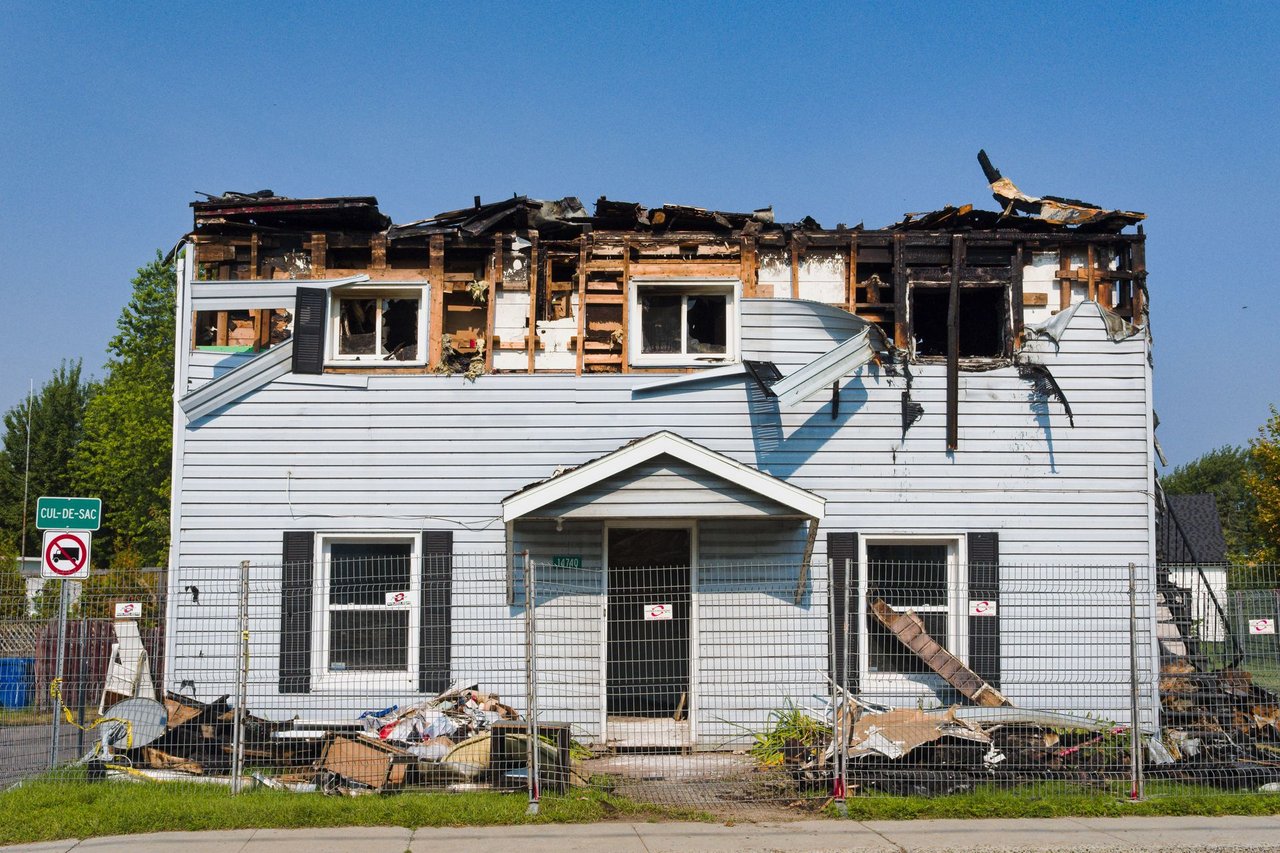
Harvard's 2026 housing report reveals deep affordability struggles nationwide. Here's what it means for Orange County buyers and sellers.

Mortgage rates hover in the mid-6% range this June. Here's what buyers and sellers in Orange County need to know right now.
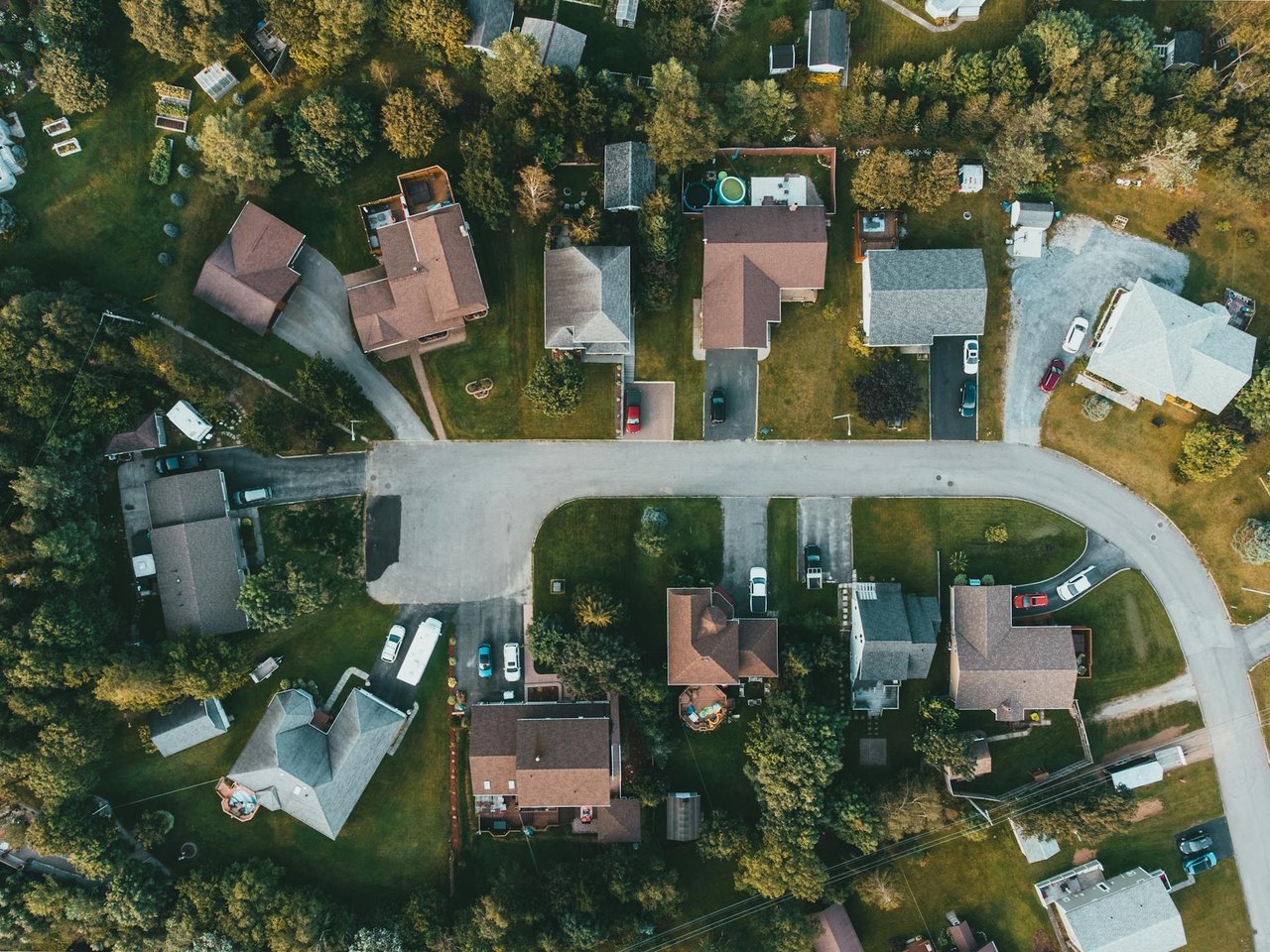
Home delistings hit near-record highs in April 2026. Learn what's driving sellers to pull listings and what it means for Orange County buyers and sellers.

Homeowners insurance premiums are climbing fast. Learn what's driving costs up and what it means for buyers and sellers in today's market.

Pending home sales drop for the second week as mortgage rates hit a 10-month high. Here's what it means for buyers and sellers today.

Housing affordability improved for 7 straight months. Learn what falling income requirements mean for buyers and sellers in Orange County and beyond.

Price cuts fell slightly in April 2026 as buyer demand rebounds. See what this means for Orange County buyers and sellers right now.
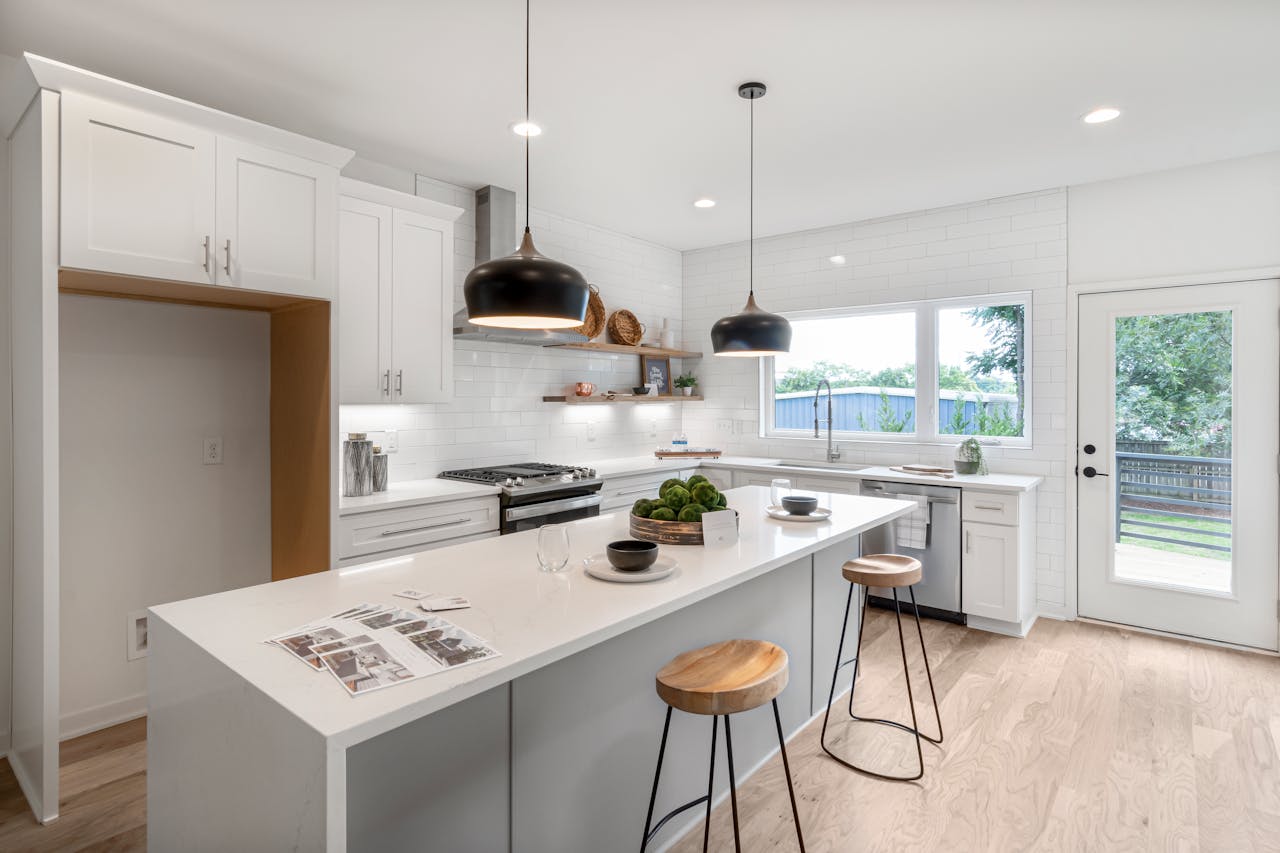
U.S. home prices rose 2.4% in April 2026, the biggest gain in 13 months. Here's what buyers and sellers in Orange County need to know now.
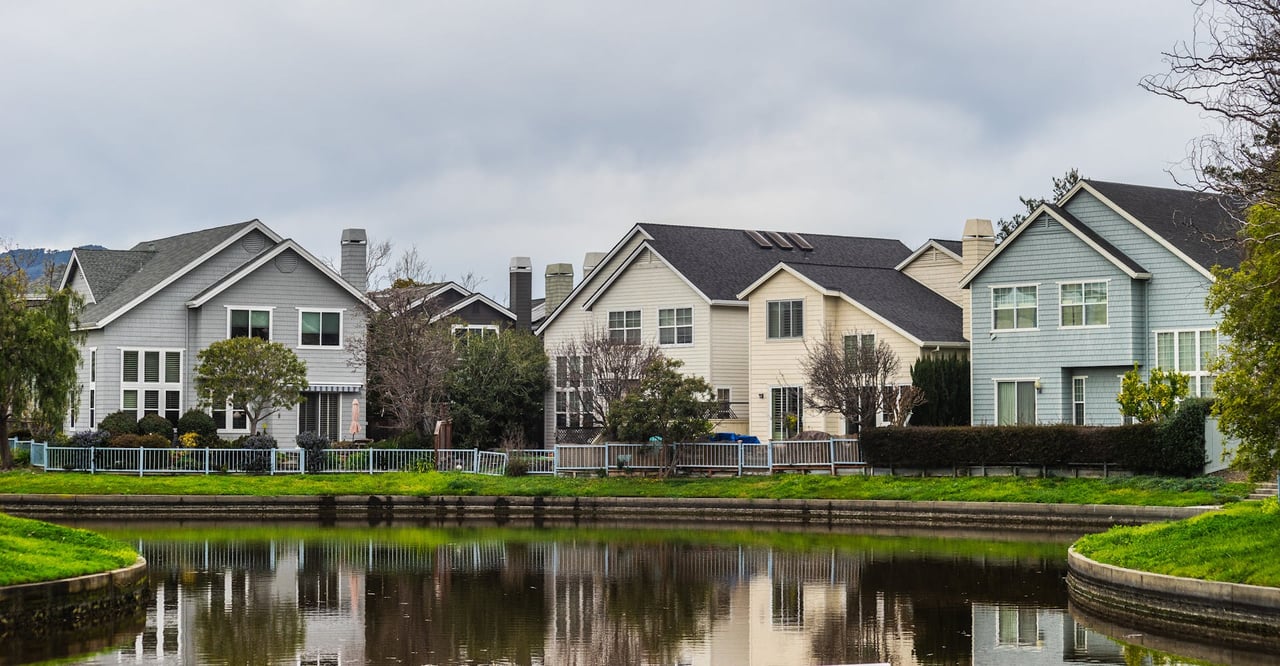
The U.S. housing market still favors buyers, but the gap is shrinking. Here's what April 2026 data means for Orange County.
Let's find a time that suits you best to chat about your goals, show you how we work, and figure out how we can help you the most
Get In Touch With Lisa

Broker Associate
949-877-7087
124 Tustin Ave Suite 200, Newport Beach, CA 92663