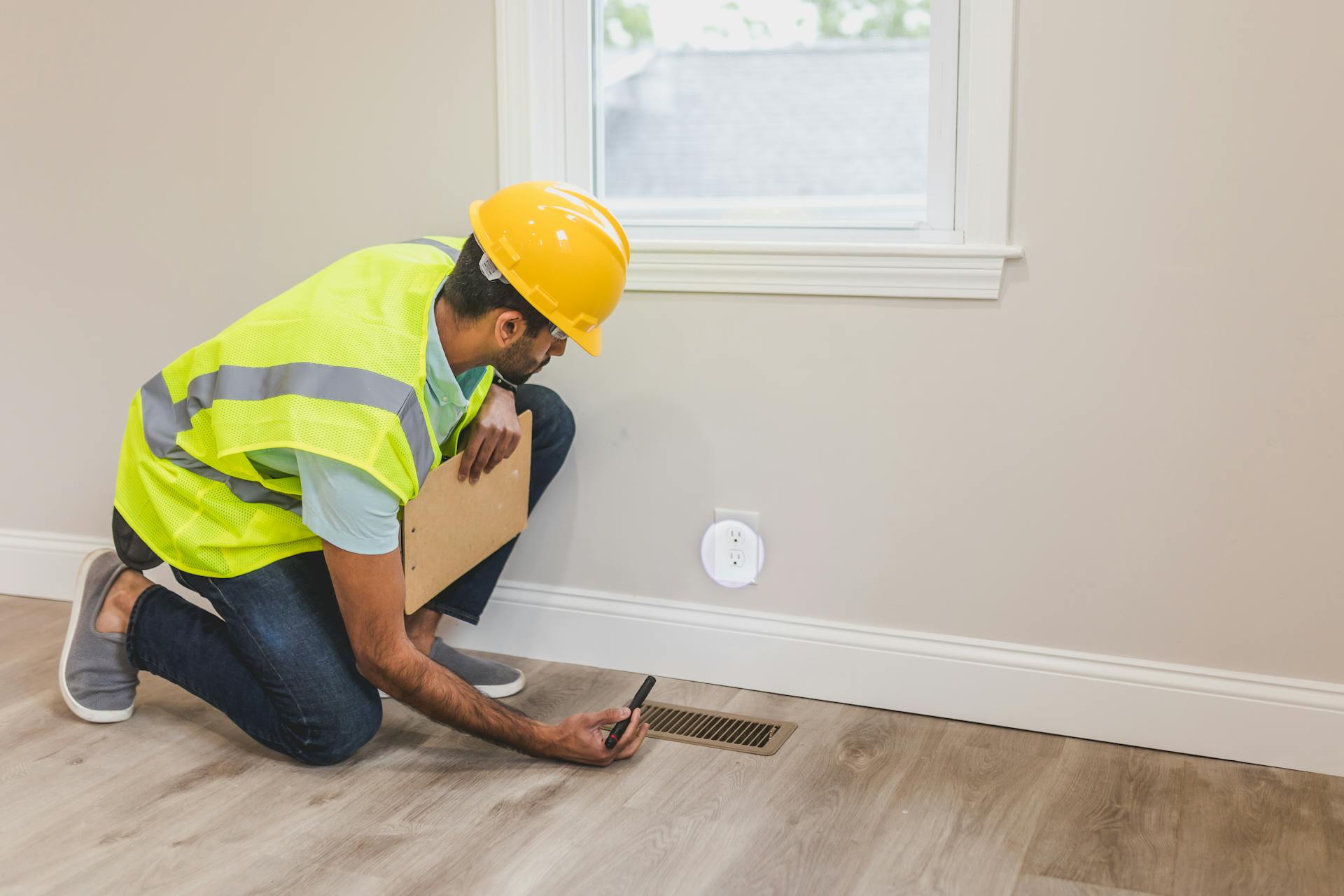
How a Pre-Listing Home Inspection Protects Your Sale
Lisa Mailhot | November 11, 2025
Buyers
Lisa Mailhot | November 11, 2025
Buyers
One simple step could mean the difference between a smooth home sale and watching a deal collapse at the worst possible moment. Imagine accepting a strong offer, celebrating with family, and already planning the next chapter. Then the inspection report arrives, revealing issues nobody knew existed. Suddenly, the buyer demands major concessions, negotiations turn contentious, or worse—they walk away entirely, leaving the listing back on the market with questions attached.
This scenario plays out more frequently than most sellers realize, and the frustrating part is that it's almost entirely preventable. The majority of failed home sales today don't collapse because of financing problems or buyer hesitation. They're falling apart during the inspection phase, with repair issues emerging as the number one deal-killer. Roughly one in seven deals currently fails to reach the closing table, and inspection-related problems drive most of these failures.
The strategic solution gaining momentum among successful Orange County sellers is the pre-listing home inspection. This proactive approach flips the traditional script, allowing sellers to discover and address issues on their own terms rather than scrambling to respond when buyers hold all the leverage. Understanding why this matters in today's market and how to implement it effectively can mean the difference between a successful sale and months of frustration.
The real estate landscape has shifted significantly, and sellers who recognize these changes position themselves for success. Today's market dynamics create a perfect storm that makes inspection issues more likely to derail transactions than in previous years.
Current data reveals that approximately fifteen percent of pending home sales fail to close. While not dramatically higher than historical averages of twelve percent, the increase is noticeable. More importantly, the reasons behind these failures have fundamentally changed, and understanding this shift is crucial for anyone preparing to sell.
Financing might seem like the obvious culprit for failed deals, especially with elevated mortgage rates compared to recent years. However, that assumption misses the mark. The overwhelming majority of transactions collapse because of inspection and repair issues, and several converging factors explain why this problem has intensified.
Why buyers are backing out during inspections:
Orange County sellers who understand these dynamics are taking proactive steps to address potential inspection issues before listing. This preparation makes the difference between a smooth transaction and a failed sale that costs time, money, and enormous frustration.
A pre-listing home inspection involves hiring a certified professional inspector to evaluate the property comprehensively before it hits the market. Unlike the traditional buyer-ordered inspection that occurs after a contract is signed, this inspection happens entirely on the seller's timeline, providing complete control over next steps.
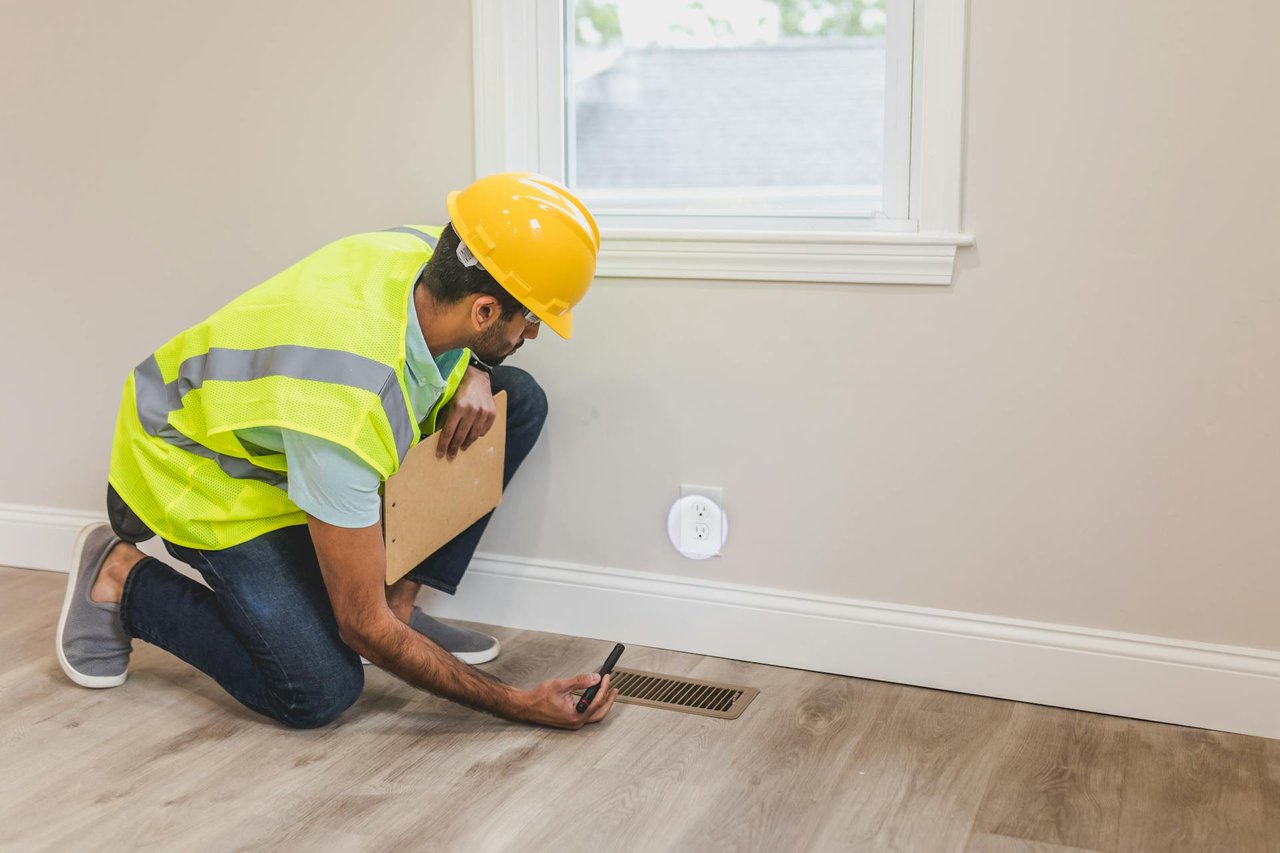
The inspection process mirrors what buyers will order later, but with one crucial difference—timing. A certified inspector evaluates all major systems and components, including the roof, foundation, plumbing, electrical systems, HVAC equipment, appliances, windows, doors, and structural elements. The inspector documents the condition of each area and identifies any deficiencies, safety concerns, or items approaching the end of their useful life.
Most inspections take two to four hours depending on the home's size, age, and complexity. The inspector provides a detailed report highlighting discovered issues, complete with photographs and descriptions. This report becomes the strategic roadmap for preparing the property for market.
What happens during a pre-listing home inspection:
The power of this approach lies in eliminating surprises. Discovering a cracked foundation seal, problematic drainage, aging water heater, or faulty electrical panel before listing allows for strategic decision-making. Sellers can choose whether to repair issues, price them into the listing, or disclose them upfront to prospective buyers. The alternative—scrambling to respond when a buyer's inspector discovers these problems with a pending contract on the line—puts sellers in a dramatically weaker position.
Orange County properties that undergo pre-listing inspections consistently experience smoother transactions. One Irvine property revealed significant HVAC ductwork issues during the pre-listing inspection that the sellers never suspected. Rather than having a buyer discover this problem and demand a twenty-thousand-dollar concession during negotiations, the sellers addressed it proactively. The home sold above asking price because buyers gained confidence in the property's condition and maintenance history.
Similarly, a Costa Mesa property that skipped the pre-listing inspection went under contract three separate times, with all three buyers backing out after their inspections revealed the same roofing problems. The sellers eventually addressed the roof and sold successfully, but lost nearly four months and faced multiple price reductions in the process. A five-hundred-dollar pre-listing inspection would have identified the issue immediately and saved thousands of dollars plus enormous frustration.
Pre-listing home inspections deliver multiple strategic advantages that directly affect both sale price and stress levels throughout the transaction. Understanding these benefits helps sellers make informed decisions about whether this approach makes sense for their situation.
Key advantages of pre-listing inspections:
Market data supports these advantages. Properties with pre-listing inspections sell an average of 30 percent faster than comparable homes without them. Additionally, sellers who address inspection issues proactively typically net higher final sale prices because they avoid last-minute concessions demanded by buyers who discover problems during their contingency period.
The psychological advantage cannot be overstated either. Sellers who complete pre-listing inspections enter the market with confidence, knowing exactly what condition their property is in. This confidence translates into stronger negotiating positions and less stress throughout what can otherwise be an incredibly anxious process.
The typical pre-listing inspection costs between three hundred and six hundred dollars, depending on property size, age, and location within Orange County. While not insignificant, this expense pales in comparison to the potential costs of skipping this step.
Consider what happens when buyers discover problems during their inspection. In the best scenario, they request repair credits or price reductions. Buyers regularly demand five to twenty thousand dollars in concessions for issues that could have been addressed more affordably beforehand. Once under contract, sellers are motivated to keep deals together, and buyers leverage this position aggressively.
The worst scenario involves buyers canceling contracts entirely. Properties return to the market with stigma attached. Prospective buyers wonder why previous deals fell through, and valuable market time disappears. In shifting markets, those weeks or months can cost tens of thousands in final sale price.
The true cost comparison:
Pre-listing inspections change this dynamic completely. When sellers discover a four-hundred-dollar plumbing issue before listing, they fix it for four hundred dollars. When buyers discover that same issue during their inspection, it somehow becomes a fifteen-hundred-dollar concession request, often with additional demands piled on because trust has eroded.
Beyond direct financial calculations, opportunity costs matter significantly. Every day a home sits on the market unsold represents carrying costs including mortgage payments, property taxes, insurance, utilities, and maintenance expenses. Pre-listing inspections help properties sell faster by eliminating the most common deal-breakers, getting sellers to closing day sooner and stopping financial bleeding.
One Newport Beach property invested five hundred dollars in a pre-listing inspection that revealed minor electrical updates needed. The sellers spent twelve hundred dollars addressing the issues before listing. The home received multiple offers during the first weekend and closed thirty days later with zero inspection-related negotiations. Meanwhile, a neighboring property that skipped the pre-listing inspection spent two months under contract only to have the buyer cancel after discovering similar electrical issues. That property eventually sold for forty thousand dollars less after making more extensive concessions to a subsequent buyer.
The return on investment for pre-listing inspections typically ranges from ten to one up to fifty to one when considering avoided concessions, faster sale timelines, and stronger negotiating positions. Few other pre-listing investments deliver comparable returns.
Not every item on a pre-listing inspection report requires attention before listing. The key is understanding which issues will genuinely impact buyer perception and which can be appropriately disclosed without derailing the sale.
Three categories of inspection findings:
Decision-making requires local market knowledge. Issues that matter intensely to buyers in one Orange County neighborhood might be less significant elsewhere. Buyers in older Tustin neighborhoods expect certain age-related conditions that would concern buyers in newer Irvine developments. Understanding these nuances proves crucial for effective repair prioritization.
Strategic approach to repairs:
Disclosure strategy also matters considerably. California requires honest disclosure of known defects, and providing pre-listing inspection reports to prospective buyers demonstrates transparency. However, positioning this information constructively shows buyers that sellers have been proactive rather than trying to hide problems. This approach builds trust and confidence rather than raising red flags.
Working with experienced real estate professionals helps sellers navigate these decisions effectively. Understanding which repairs to prioritize, how to price properties accounting for disclosed issues, and how to present information to buyers requires market expertise and transaction experience.
While pre-listing inspections deliver significant advantages in most situations, they're not universally necessary for every seller in every circumstance. Understanding when this strategy makes the most sense helps sellers make informed decisions.
When pre-listing inspections deliver maximum value:
When sellers might reasonably skip pre-listing inspections:
Key questions to consider:
If any of these questions create hesitation, pre-listing inspections likely make sense. The few hundred dollars invested buys peace of mind and potentially saves thousands in negotiations or lost opportunities.
For most Orange County sellers, pre-listing inspections prove worthwhile. The market dynamics, buyer expectations, and transaction patterns favor proactive sellers who eliminate surprises and enter negotiations from positions of strength and knowledge.
Selling a home represents one of the largest financial transactions most people experience. Years of equity building, property maintenance, and investment culminate in this moment. The last thing sellers want is watching promising sales collapse during inspection because of issues that could have been addressed proactively.
Pre-listing home inspections provide something invaluable—control. Instead of reacting to problems buyers discover when sellers are most vulnerable, issues get identified on seller terms and addressed strategically. Negotiations proceed with complete knowledge of property condition, without surprises waiting to ambush the transaction.
Hundreds of successful Orange County sales demonstrate that proactive approaches consistently deliver smoother transactions, stronger negotiating positions, and better outcomes. Pre-listing inspections rank among the most powerful tools in the selling arsenal, transforming potential deal-breakers into manageable items already handled.
As property owners prepare to enter the market, considering whether pre-listing inspections make sense for specific situations proves worthwhile. Professional guidance helps interpret inspection findings, prioritize repairs, and position properties to attract serious buyers who close deals.
Whitestone Real Estate specializes in helping Orange County sellers navigate every aspect of preparing and marketing properties for maximum value. From pre-listing inspections to strategic pricing, professional photography to targeted marketing, comprehensive support ensures sales cross the finish line successfully.
For sellers ready to discuss specific strategies and learn how pre-listing inspections might benefit their unique situations, expert consultation provides personalized guidance tailored to individual properties and goals. Success requires preparation, knowledge, and strategic execution—all focused on ensuring transactions close smoothly, on favorable terms, with confidence.
Portable mortgages are back in Congress, but experts see big hurdles. Here is what Orange County buyers and sellers should know.

Tropical Storm Rachel flooded Newport Beach’s Balboa Peninsula. Here is what Orange County buyers and sellers should know about coastal living.

Record heat, wildfires and rising insurance costs are reshaping California moves. See what it means for Orange County buyers and sellers.
Rates above 7.5% are squeezing young voters. See what the affordability squeeze means for Orange County buyers and sellers.

Things to do in Orange County Oct 8 to 11, from Carnival Colossal and Margaret Cho to Irvine Global Village Festival and Chili at the Beach.

Price cuts hit a record September high nationwide. See what Redfin's new data means for Orange County buyers and sellers heading into fall.

The Irvine Global Village Festival turns 25 on Oct. 10 at the Great Park with global food, music, dance and family fun in Orange County.
Housing affordability hit a 21-year low as the Fed signals more rate hikes. Here is what Orange County buyers and sellers should know.

Ohana Festival returns to Doheny State Beach in Dana Point, September 25 to 27, with Pearl Jam, Maná and more. Your Orange County event guide.
Let's find a time that suits you best to chat about your goals, show you how we work, and figure out how we can help you the most
Get In Touch With Lisa

Broker Associate
949-877-7087
124 Tustin Ave Suite 200, Newport Beach, CA 92663