Rising Rates Are Reshaping the American Dream and the Midterms
Lisa Mailhot | October 7, 2026
Buyers
Lisa Mailhot | October 7, 2026
Buyers
As the November 3 midterm election approaches, housing has become the topic voters cannot stop talking about. CNBC's reporting from Allentown, Pennsylvania shows that for voters ages 18 to 34, housing costs now outrank food prices and even the protection of democracy as the top political concern. Pennsylvania is cheaper than the national average, yet residents there still feel stretched. If it feels tight in a more affordable market, you can imagine how Orange County buyers feel.
A new CNBC and SurveyMonkey survey found that one in five Americans who rent or carry a mortgage spend at least half of their pre-tax income on housing. Another 49% spend between 25% and 49%. Lenders typically suggest keeping housing costs to 28% to 30% of income, so many households are well past the comfort zone.
Mortgage rates are a big part of the story. The average 30-year fixed rate has climbed above 7.5%, after dipping to 5.99% earlier this year. On a median-priced home of about $450,000, that adds roughly $300 to the monthly payment. Home prices cooled to 1.8% annual growth in August, but they remain up close to 60% since the start of the pandemic.
When prices stay high and rates jump, fewer people can buy. Existing home sales in August came in below an annualized pace of 4 million. Real estate economist Norm Miller put it plainly: "This figure of 4 million is about as low as we can go."
Nationally, owning a home now takes about 28% of median income, up from 21% in 2019. Renting takes about 26%. In many coastal metros, those shares run significantly higher.
Renting is no escape from the pressure. Apartment List reports that 52% of renters are cost-burdened, and more than 22 million households are now rent-burdened, a new record. Nearly three in four Americans say buying has become harder over the past five years, and almost one in four renters never plan to buy at all, citing down payments and limited income as the biggest barriers.
The people behind those statistics are real. One newlywed couple in Allentown with a six-figure salary does not expect to own anytime soon. A 26-year-old earning six figures is still living with his mother because the prices were too discouraging. Those stories sound a lot like conversations I have in Orange County.
Candidates in both parties are talking about housing. Proposals include tax credits for first-time buyers, building more starter homes, easing construction rules and red tape, cracking down on corporate landlords, and expanding small-dollar home loans. A bipartisan housing law was signed in July, though the debate over the right approach remains sharp. Even so, one political scientist quoted in the report did not expect changes soon enough to shift how consumers feel in the near term.
For buyers, patience does not have to mean paralysis. Get pre-approved so you know what a 7.5% rate really does to your payment, build your down payment strategy early, and explore townhomes, condos and neighboring cities where your budget goes further. Remember that you can often refinance if rates fall, but you cannot go back and buy at today's price once the market moves.
For sellers, a motivated but cautious buyer pool means pricing, presentation and flexibility matter more than ever. Homes that are priced right and marketed well still draw strong interest, and offering credits or rate buydowns can help serious buyers get over the finish line.
Politics will keep debating housing long after the votes are counted, but your plans do not have to wait on Washington. If you are thinking about moving to Orange County, whether to buy your first home, sell and trade up, or start fresh near the coast, I would love to help you map out a strategy that fits your goals and budget. Reach out to us at Whitestone Real Estate, and let's turn today's challenges into tomorrow's opportunities.
Reference: Olick, D. (2026, October 6). Young voters struggle to afford housing. But they don't expect help from political candidates. CNBC.
Record 10% of first-time buyers paid all cash and the median age hit 40. See what NAR’s 2026 data means for Orange County buyers and sellers.

Home prices dipped nationwide in October 2026, but Orange County held firm. See what rates and rising inventory mean for buyers and sellers.

Home purchase cancellations hit a record high. Learn what it means for Orange County buyers and sellers and how to negotiate smartly.

Listings are up 7.4% while buyers retreat and sellers hold firm on price. Here is what it means for Orange County buyers and sellers.
Orange County inventory dipped as sales and delistings rose. See what the latest numbers mean for buyers and sellers heading into winter.
Home prices fell for a third straight week and payments dipped. See what it means for Orange County buyers and sellers and how to act now.
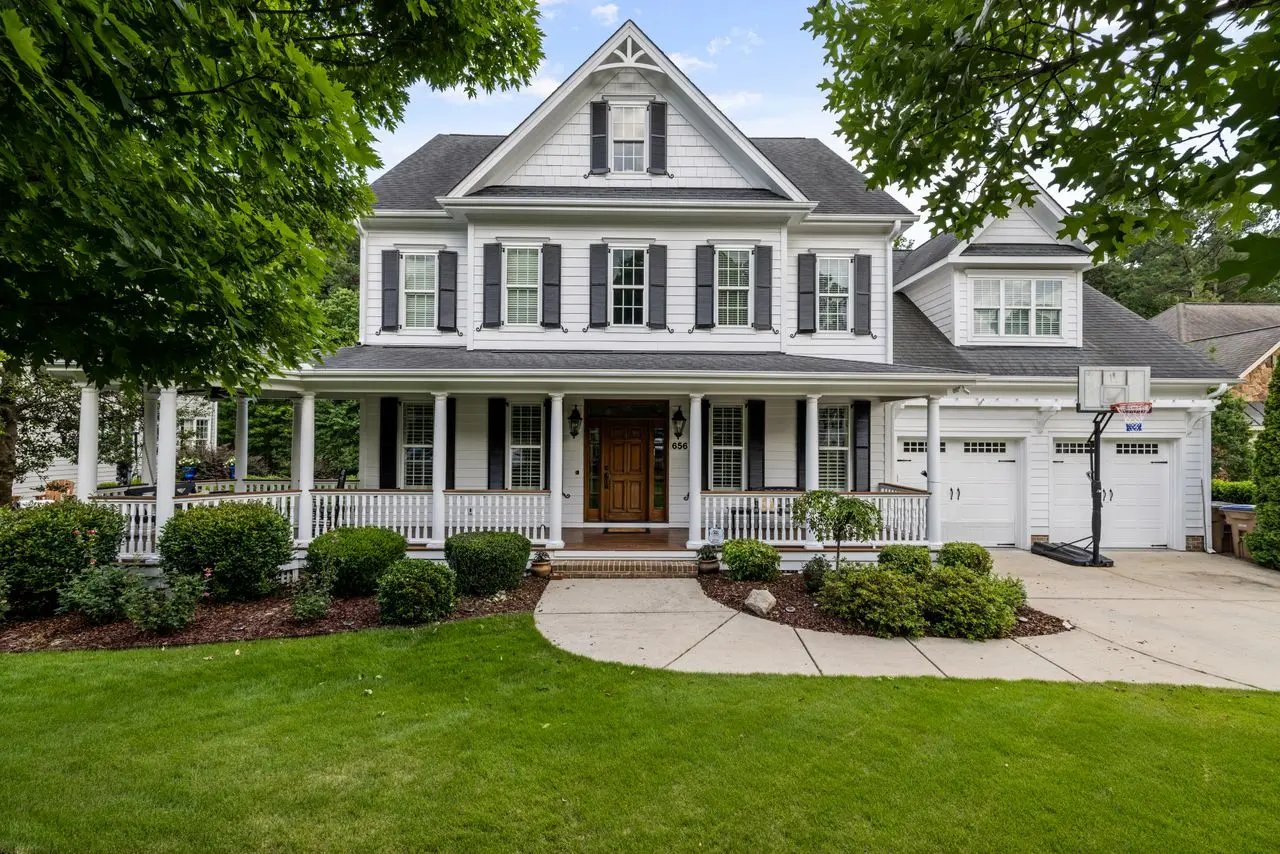
Mortgage rates are easing despite a looming December Fed hike. See what it means for Orange County buyers and sellers.
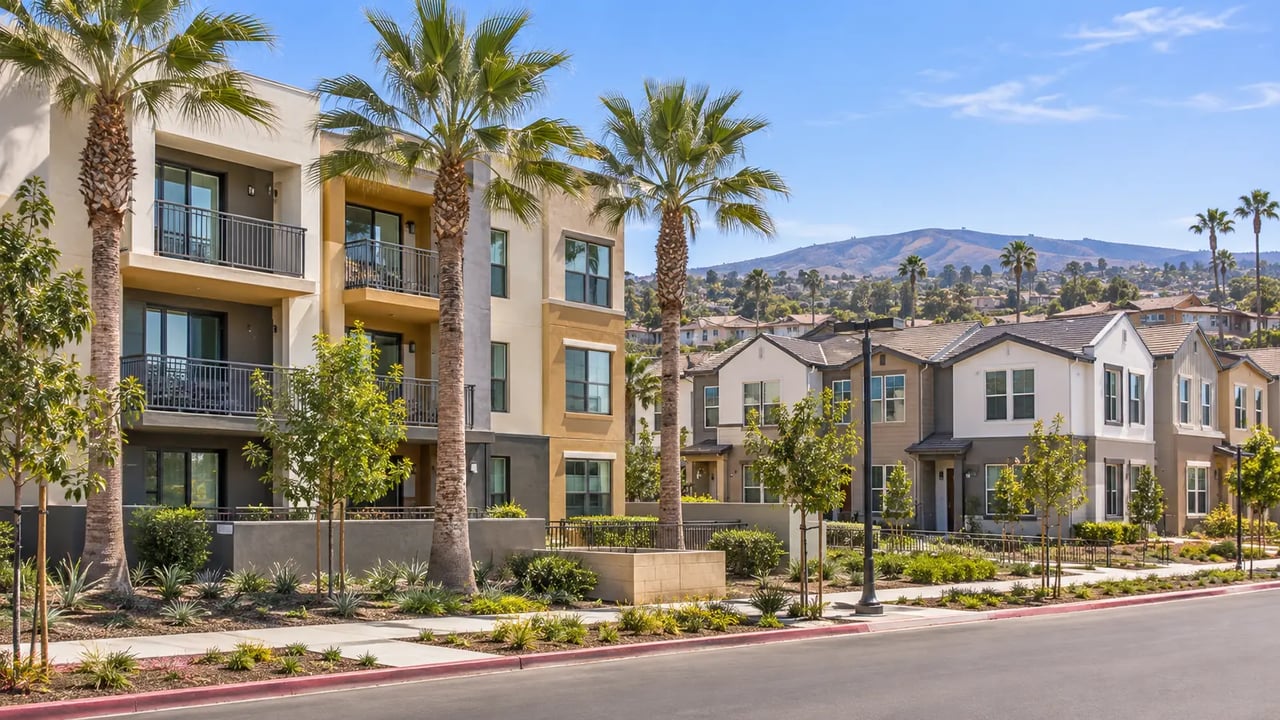
California’s Prop. 1 housing bond could fund 40,000 rentals and help 40,000 buyers. See what it means for Orange County buyers and sellers.

Record king tides and a Super El Niño are flooding Orange County and SoCal coasts. Here is where the water has hit and what comes next.
Let's find a time that suits you best to chat about your goals, show you how we work, and figure out how we can help you the most
Get In Touch With Lisa
Broker Associate
949-877-7087
124 Tustin Ave Suite 200, Newport Beach, CA 92663