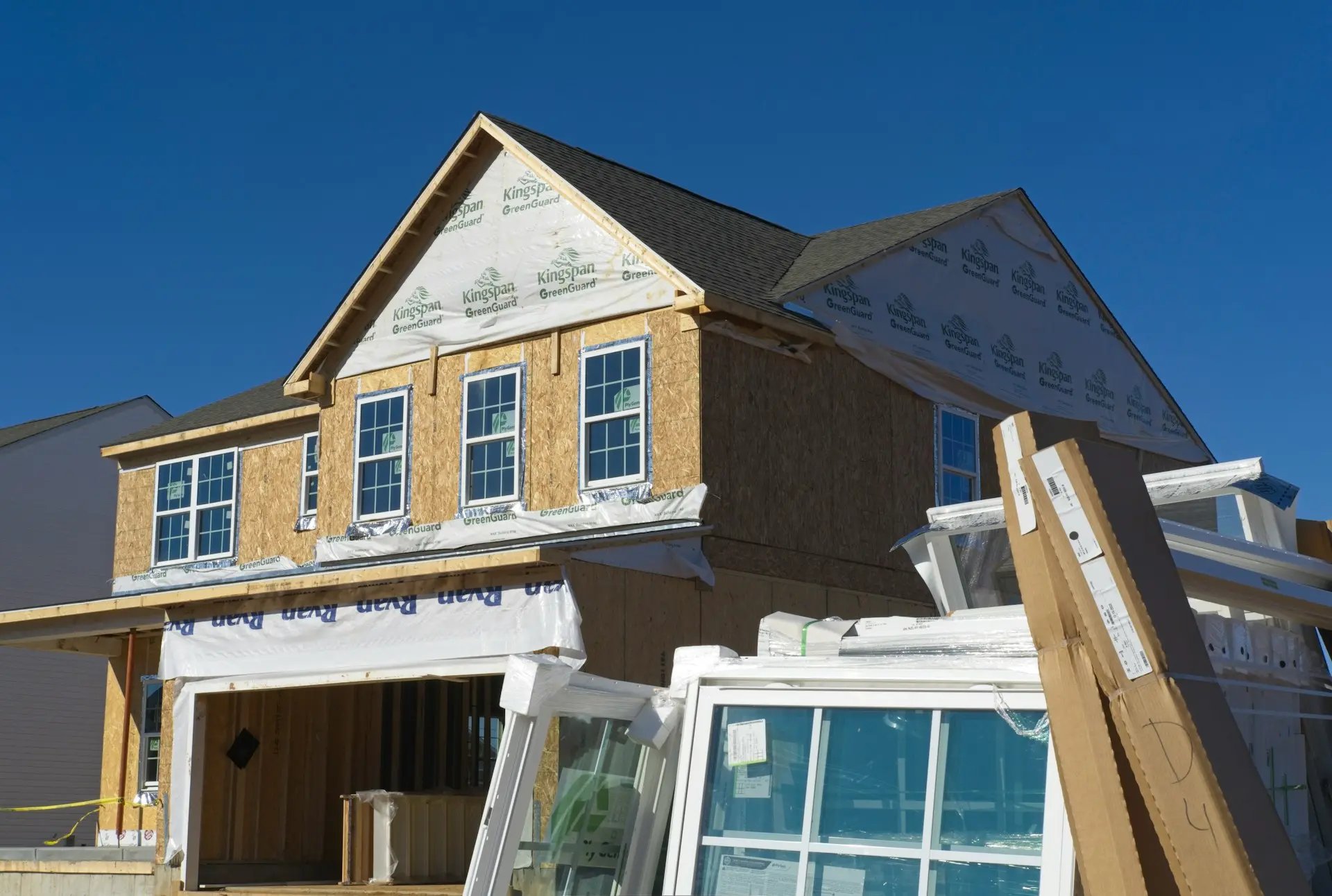
The Senate Passed a Permitting Bill That Could Change How Homes Get Built
Lisa Mailhot | November 24, 2026
Buyers
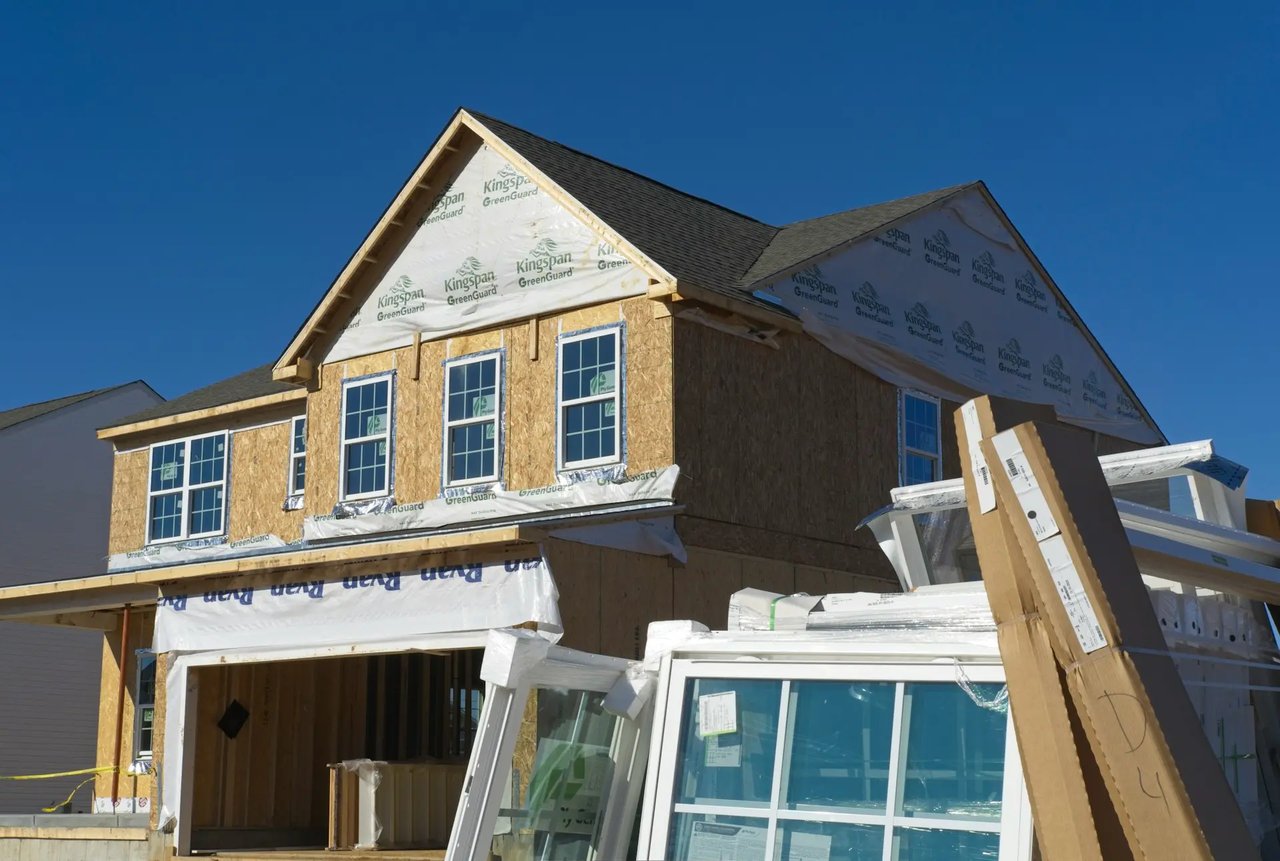
Lisa Mailhot | November 24, 2026
Buyers
The Senate has voted 62-33 to pass the Bipartisan American Affordability and Jobs Act, known as BAAJA, according to Realtor.com. The bill would speed up permits and narrow the scope of federal reviews under the National Environmental Policy Act and the Clean Water Act. Most of it targets large energy projects, but it also touches housing and even data centers. The House votes next.
The bill was introduced by a bipartisan group of committee leaders: Sheldon Whitehouse, Martin Heinrich, Shelley Moore Capito, and Mike Lee. It was later attached to a larger, more popular bill, and lawmakers spent several weeks debating and adjusting it. The latest version softened language that had raised concerns about environmental protections and the rights of Native American groups.
Several housing groups have backed the bill, including the National Association of Home Builders, YIMBY Action, and the Niskanen Center. Their argument is that easier permitting makes it simpler to build affordable housing. The National Association of Realtors said it plainly: "America's housing shortage demands solutions that make it easier and more affordable to build." NAR also backs cutting regulatory burdens that raise development costs and limit supply.
For anyone buying or selling in a market as tight as Orange County, that matters. Limited inventory is a big reason prices stay high, and anything that makes building new housing faster and cheaper deserves attention.
A White House policy paper estimates that federal permitting for major infrastructure takes about 4.2 years and generates roughly 1,700 pages of paperwork. The same paper projects that reform could add between $82 billion and $164 billion to the economy and trim average household electric bills by $178 to $251 a year. Those are administration projections, not guarantees, but lower utility costs would matter to homeowners and buyers budgeting for monthly expenses.
Supporters on both sides of the aisle frame the bill as an affordability measure. Senate leaders argue that long delays and drawn-out litigation drive up costs for energy, roads, bridges, and water projects. A Third Way poll found that about 62% of respondents named lowering utility bills as a top concern, and 57% named keeping the power grid reliable.
The bill is far from universally loved. Native American advocacy groups argue it would weaken protections for tribal sovereignty and cultural heritage. The Endangered Species Coalition says it would loosen environmental safeguards. Critics also point out that faster permitting could speed up fossil fuel projects such as natural gas pipelines, along with nuclear power, not just wind and solar. Some House members have already voiced opposition, so the final outcome is uncertain.
Data centers became a flashpoint during the debate. An amendment from Senator Ron Wyden to ban them on public lands failed after Republicans blocked it. A Wharton School study found that data centers have raised industrial electricity prices, though residential customers absorbed relatively little of the increase. Voters are watching this issue closely, especially where local governments have offered large incentives.
Policy shifts like this one can quietly shape the market years before they show up in a listing price. Whether BAAJA becomes law or changes along the way, the push to build faster and lower costs is a conversation every buyer, seller, and investor should follow. If you are thinking about a move to Orange County, I would love to help you make sense of the trends and find the right fit. Reach out us at Whitestone Real Estate, and let's plan your next move with confidence.
Reference: Navera, T. (2026, November 20). Senate passes controversial permitting bill aimed at speeding construction and lowering costs. Realtor.com.
The Senate passed BAAJA 62-33. See how faster permitting could affect housing costs, energy bills, and Orange County buyers and sellers.
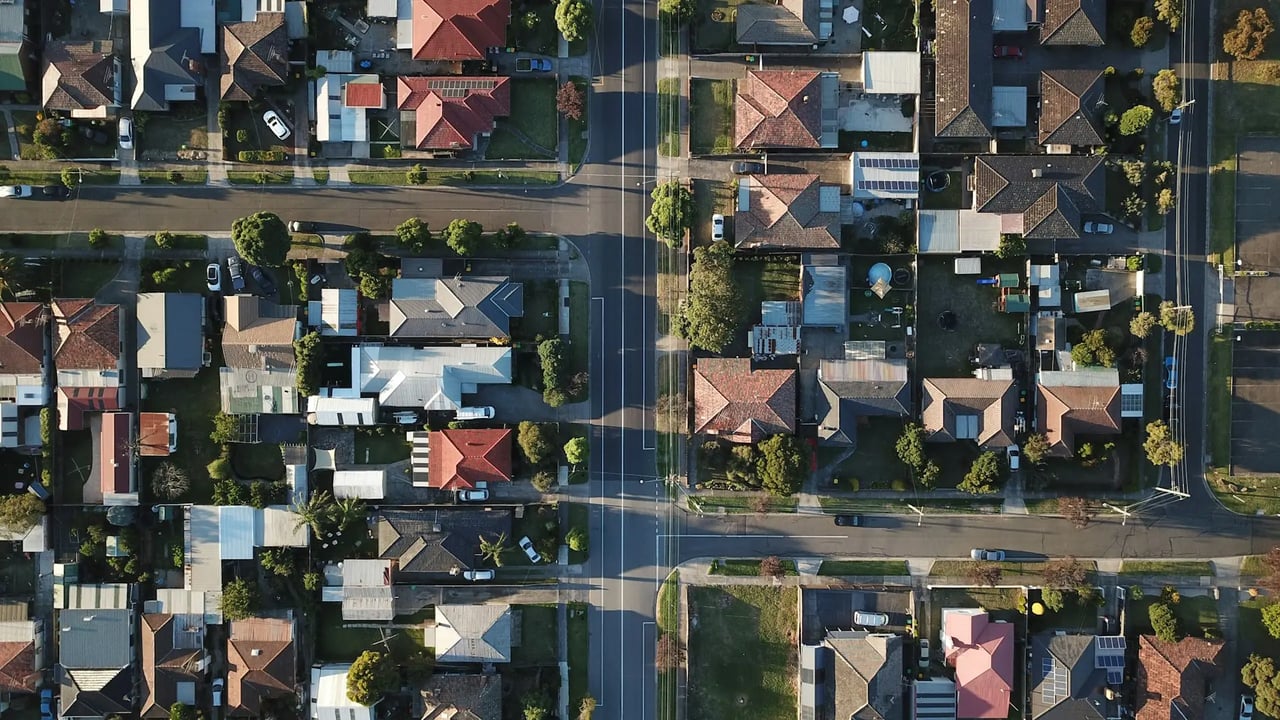
Mortgage rates jumped and the market froze. Learn what record-low sales and the lock-in effect mean for Orange County buyers and sellers.
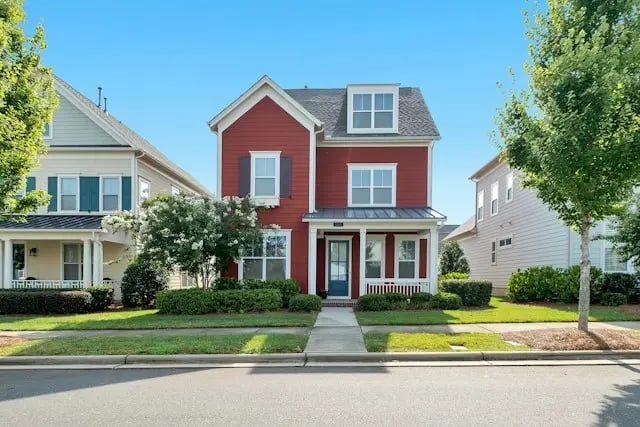
Record 10% of first-time buyers paid all cash and the median age hit 40. See what NAR’s 2026 data means for Orange County buyers and sellers.
Home prices dipped nationwide in October 2026, but Orange County held firm. See what rates and rising inventory mean for buyers and sellers.
Home purchase cancellations hit a record high. Learn what it means for Orange County buyers and sellers and how to negotiate smartly.
Listings are up 7.4% while buyers retreat and sellers hold firm on price. Here is what it means for Orange County buyers and sellers.
Orange County inventory dipped as sales and delistings rose. See what the latest numbers mean for buyers and sellers heading into winter.
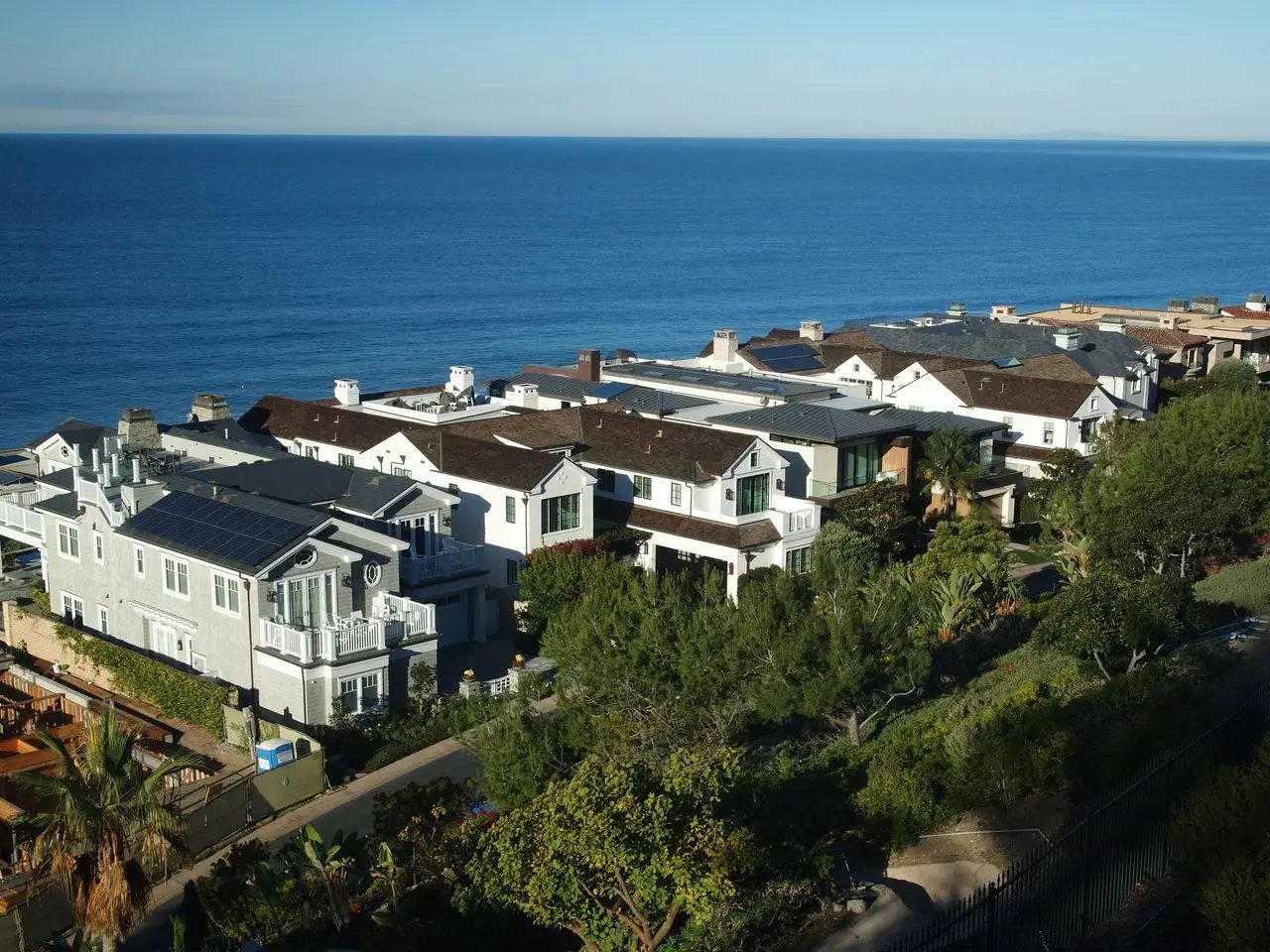
Home prices fell for a third straight week and payments dipped. See what it means for Orange County buyers and sellers and how to act now.
Mortgage rates are easing despite a looming December Fed hike. See what it means for Orange County buyers and sellers.
Let's find a time that suits you best to chat about your goals, show you how we work, and figure out how we can help you the most
Get In Touch With Lisa
Broker Associate
949-877-7087
124 Tustin Ave Suite 200, Newport Beach, CA 92663