The Missing Middle Is Back and What It Means for Orange County
Lisa Mailhot | March 19, 2026
Buyers
Lisa Mailhot | March 19, 2026
Buyers
Disclaimer: This blog is for informational purposes only and may reference third-party sources, including quotes or data used verbatim with proper credit. All efforts are made to ensure originality and avoid plagiarism. Readers should verify details independently and consult a licensed professional before making real estate decisions.
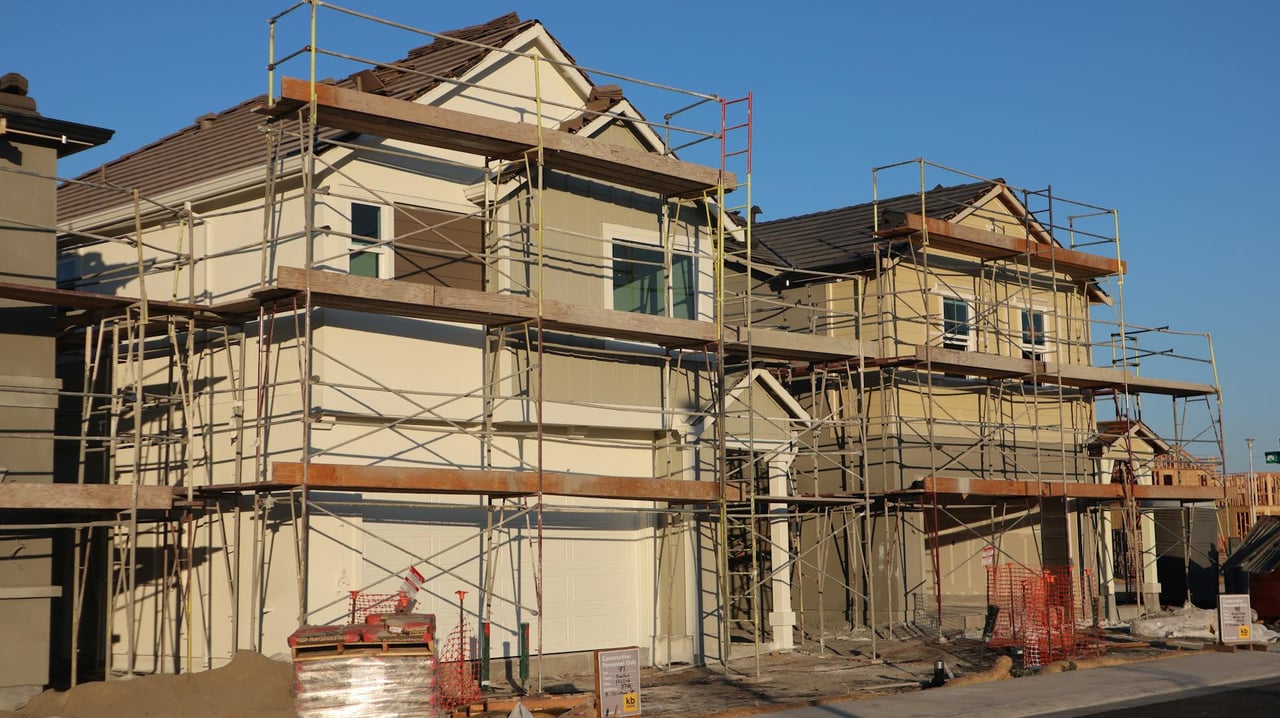
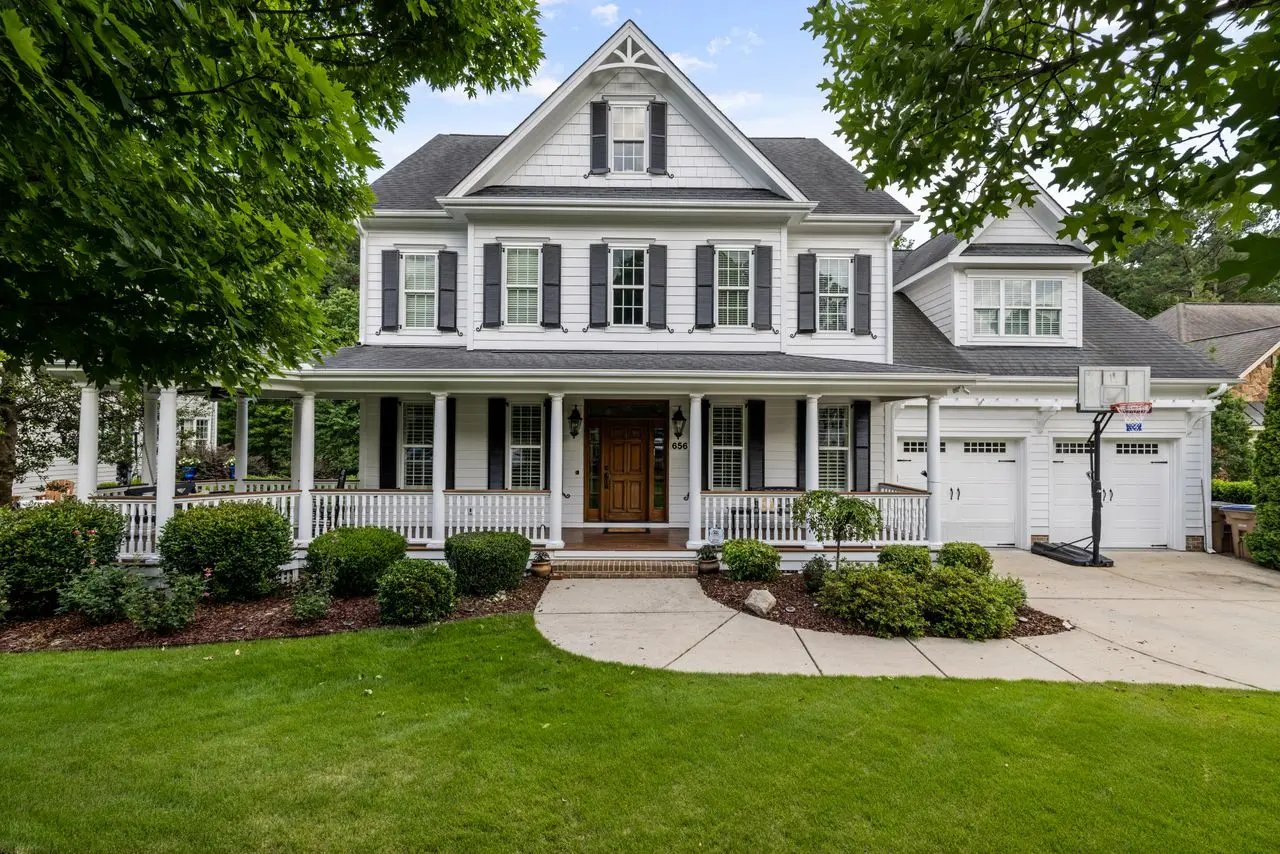
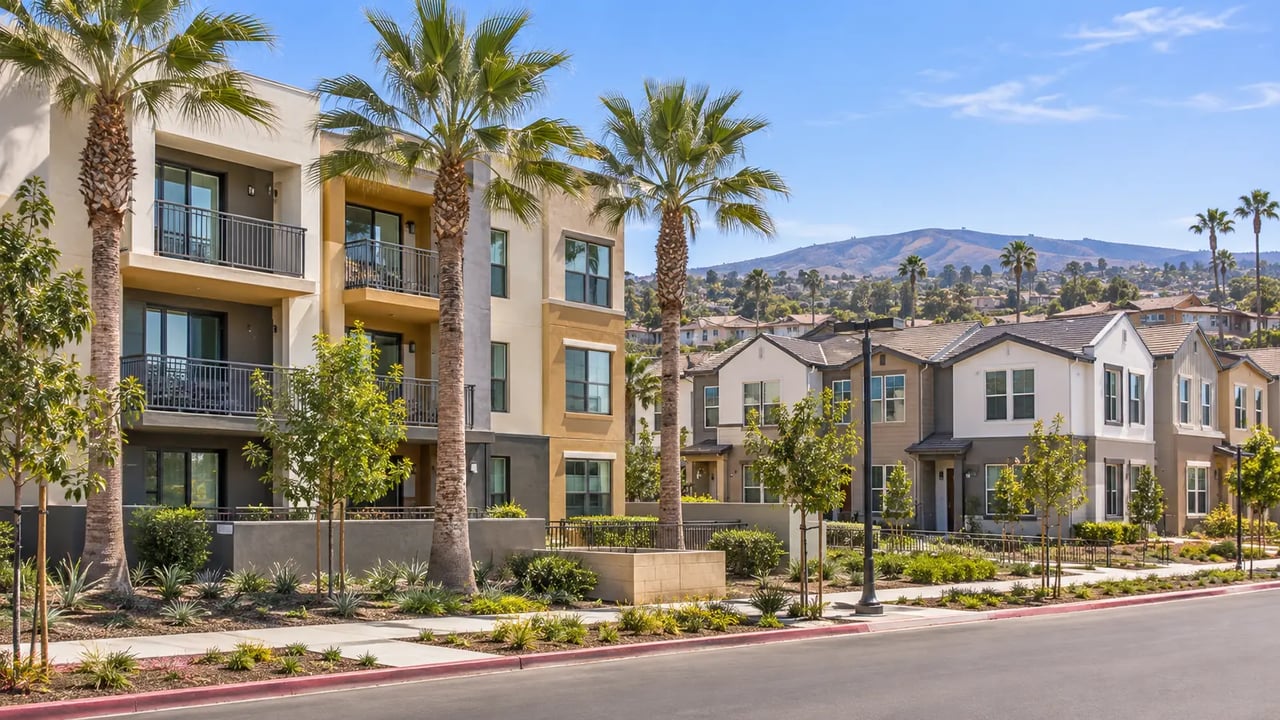
Something is shifting in the American housing market, and it is not just about mortgage rates or inventory counts. The types of homes being built are changing. Townhouses, duplexes, and small multifamily properties, collectively known as "missing middle" housing, are seeing their strongest construction numbers in nearly two decades. For buyers and investors eyeing Orange County, this trend carries real implications worth understanding.
According to the National Association of Home Builders (NAHB), 2025 was the best year for missing middle home construction since before the Great Recession. NAHB tracked 19,000 total starts of two- to four-unit housing projects, roughly 5,000 a quarter except for a slightly slower third quarter. For context, 2024 saw 18,000 missing middle housing starts, making last year a meaningful step forward. To find a comparable annual figure, you have to go all the way back to 2007, when over 30,000 starts were recorded before the subprime mortgage crisis brought construction to a halt.
Realtor.com senior economist Joel Berner points to affordability and neighborhood access as the key drivers. "These townhomes or duplexes offer entry-level buyers the opportunity to own a home in a neighborhood they like without spending more than they can afford," Berner noted. The appeal has grown particularly strong on urban infill lots, where older single-family homes are being replaced by duplexes or small multifamily buildings. New developments in outer suburban areas are also incorporating townhome elements alongside traditional single-family homes, giving buyers more choices at varying price points.
As encouraging as the uptick in missing middle construction is, it does not erase the larger challenge facing the U.S. housing market. The country currently faces a shortage of 4.03 million homes, according to the 2026 U.S. Housing Supply Gap report from Realtor.com. Missing middle housing accounted for just 5% of the overall multifamily market in the fourth quarter of 2025, far below the roughly 11% share it held in the decade leading up to and including the recession. NAHB points directly to zoning restrictions as the primary obstacle slowing development in this segment.
The policy landscape around housing construction is beginning to shift. Lawmakers in several states have put forward zoning reforms aimed at encouraging more small-scale residential development. President Donald Trump also signed an executive order recently targeting certain building restrictions, signaling federal interest in addressing the supply gap. However, zoning changes often face pushback from existing homeowners in established neighborhoods, a dynamic playing out in suburbs across the country. Ed Brady, president of the Home Builders Institute, captured the stakes clearly: "When they can't move up out of rentals, that supply gets more expensive. It's an ecosystem, and if you don't provide opportunities for homeownership, the whole ecosystem goes off balance."
Orange County sits in a distinctly different position from markets where construction booms have temporarily softened prices. Supply here remains persistently constrained by geography, high development costs, and local zoning regulations. That makes every uptick in missing middle construction especially significant for local buyers. Townhouses and small multifamily properties can offer a more accessible entry point into a market where detached single-family homes often come with premium price tags. Whether you are a first-time buyer looking for a foothold in a neighborhood you love, or an investor exploring income-producing properties, the growing availability of these housing types deserves your attention.
Orange County continues to be one of the most desirable places to live in the country, and the evolving housing landscape is creating new doors for those ready to walk through them. Whether you are eyeing a townhouse as your first home, considering a duplex as a long-term investment, or simply trying to understand how national trends affect your local options, having the right guidance makes all the difference. I would love to help you navigate your next move with confidence. Reach out to Whitestone Real Estate today, and let's find the opportunity that fits your goals.
Reference: Navera, T. (2026, March 17). Starter home starts highest since Great Recession. Realtor.com.
Listings are up 7.4% while buyers retreat and sellers hold firm on price. Here is what it means for Orange County buyers and sellers.
Orange County inventory dipped as sales and delistings rose. See what the latest numbers mean for buyers and sellers heading into winter.
Home prices fell for a third straight week and payments dipped. See what it means for Orange County buyers and sellers and how to act now.
Mortgage rates are easing despite a looming December Fed hike. See what it means for Orange County buyers and sellers.
California’s Prop. 1 housing bond could fund 40,000 rentals and help 40,000 buyers. See what it means for Orange County buyers and sellers.

Record king tides and a Super El Niño are flooding Orange County and SoCal coasts. Here is where the water has hit and what comes next.

Pending sales hit a multi-year October low in Orange County, but equity keeps the market steady. See what buyers and sellers should know.

Housing costs are the top concern for young voters heading into the 2026 midterms. See what it means for Orange County buyers and sellers.
Portable mortgages are back in Congress, but experts see big hurdles. Here is what Orange County buyers and sellers should know.
Let's find a time that suits you best to chat about your goals, show you how we work, and figure out how we can help you the most
Get In Touch With Lisa
Broker Associate
949-877-7087
124 Tustin Ave Suite 200, Newport Beach, CA 92663
