Who Really Owns America's Real Estate Wealth and What It Means for You
Lisa Mailhot | March 18, 2026
Buyers

Lisa Mailhot | March 18, 2026
Buyers
Disclaimer: This blog is for informational purposes only and may reference third-party sources, including quotes or data used verbatim with proper credit. All efforts are made to ensure originality and avoid plagiarism. Readers should verify details independently and consult a licensed professional before making real estate decisions.
According to a Redfin analysis of Federal Reserve Board data as of the third quarter of 2025, the top 20 percent of earners collectively command more than half of all real estate wealth in the United States, accounting for approximately 56.4 percent of the total pie. Within that group, the top 1 percent alone holds about 12.7 percent of the nation's real estate wealth, while those in the 80th to 99th income percentile account for roughly 43.7 percent.
The gap becomes even more striking when you look at the other end of the spectrum. Americans in the bottom 20 percent of earners hold only about 5.1 percent of real estate wealth. Those in the 20th to 40th income percentile hold around 7.4 percent, and the middle tier, spanning the 40th to 60th percentile, accounts for roughly 12.4 percent.
In dollar terms, the top 1 percent of earners holds approximately $6.1 trillion in real estate wealth. The 80th to 99th income percentile holds about $21 trillion, bringing the combined total for the top 20 percent to roughly $27 trillion. By contrast, the bottom 20 percent of earners holds approximately $2.5 trillion.
While the current distribution may feel stark, it is worth noting that these proportions have held relatively steady over the past decade. What has shifted, however, is the long-term trend for the highest earners. The top 1 percent now holds about 12.7 percent of real estate wealth, compared to roughly 7.8 percent in the third quarter of 1989, which is the earliest period for which Federal Reserve data is available. Meanwhile, middle-income households in the 40th to 60th percentile held around 14.5 percent back in 1989 and now hold approximately 12.4 percent, a modest decline over more than three decades.
This long arc of concentration at the top reflects a combination of rising home values in high-demand markets, the compounding benefit of equity accumulation over time, and the persistent barriers that have made entry-level homeownership increasingly difficult for lower-income households.
Here is a perspective worth sitting with: as Redfin Chief Economist Daryl Fairweather noted in the analysis, housing wealth is actually more evenly distributed than other forms of wealth in America. The top 20 percent of earners hold over 70 percent of the nation's total wealth, yet less than 60 percent of real estate wealth specifically. That distinction matters. It means that for working and middle-class families, homeownership remains one of the most accessible avenues for accumulating meaningful wealth relative to other asset classes like stocks, business ownership, or private investments.
In other words, while the real estate wealth gap is real, housing is comparatively democratic as a wealth-building vehicle. A family that purchases a home in a well-chosen market and holds it over time participates in equity appreciation that would otherwise be entirely out of reach.
For prospective buyers who have felt priced out in recent years, there are early signs of improvement on the horizon. Housing affordability has begun to ease, driven by slowing home price growth and a gradual pullback in mortgage rates. As of early 2026, the 30-year fixed mortgage rate sits at just above 6 percent, down from nearly 7 percent in the spring of 2025. Redfin economists anticipate further improvement throughout the year, projecting that income growth will outpace home price appreciation, which would provide meaningful relief for first-time buyers and lower-income households currently sitting on the sidelines.
This shift is particularly significant for markets like Orange County, where affordability has historically been a challenge. As conditions gradually improve, households that have been waiting for the right moment may finally find that window beginning to open.
Orange County has long been a market where real estate functions as a cornerstone of household wealth. With median home values well above the national average and a strong record of long-term appreciation, purchasing a home here is not simply a lifestyle decision. It is a strategic financial move. The data from Redfin makes this case clearly: those who own real estate benefit from equity growth, generational wealth transfer, and a form of forced savings that renting simply cannot replicate.
For current homeowners in Orange County, the picture is similarly encouraging. The sustained strength of the local market means the equity built over recent years represents a significant asset. Whether you are considering moving up, downsizing, or leveraging that equity to expand your portfolio, understanding the broader landscape of real estate wealth helps contextualize the timing and strategy behind your next move.
The gap in real estate wealth across income groups is a reminder of just how transformative homeownership can be, and how much is at stake for families who have yet to take that step. If you are thinking about buying or selling in Orange County, this is precisely the kind of market intelligence that should inform your decision. At Whitestone Real Estate, we work alongside buyers and sellers every day to help them navigate one of Southern California's most dynamic markets. Whether you are a first-time buyer eager to start building equity, a seasoned homeowner ready for your next chapter, or an investor looking to grow your portfolio, we would love to be your guide. Reach out to us today and let's talk about what your real estate goals look like and how we can help you achieve them in Orange County.
Reference: Katz, L. (2026, March 18). The top 20% of earners hold nearly 60% of America's real estate wealth. Redfin News.
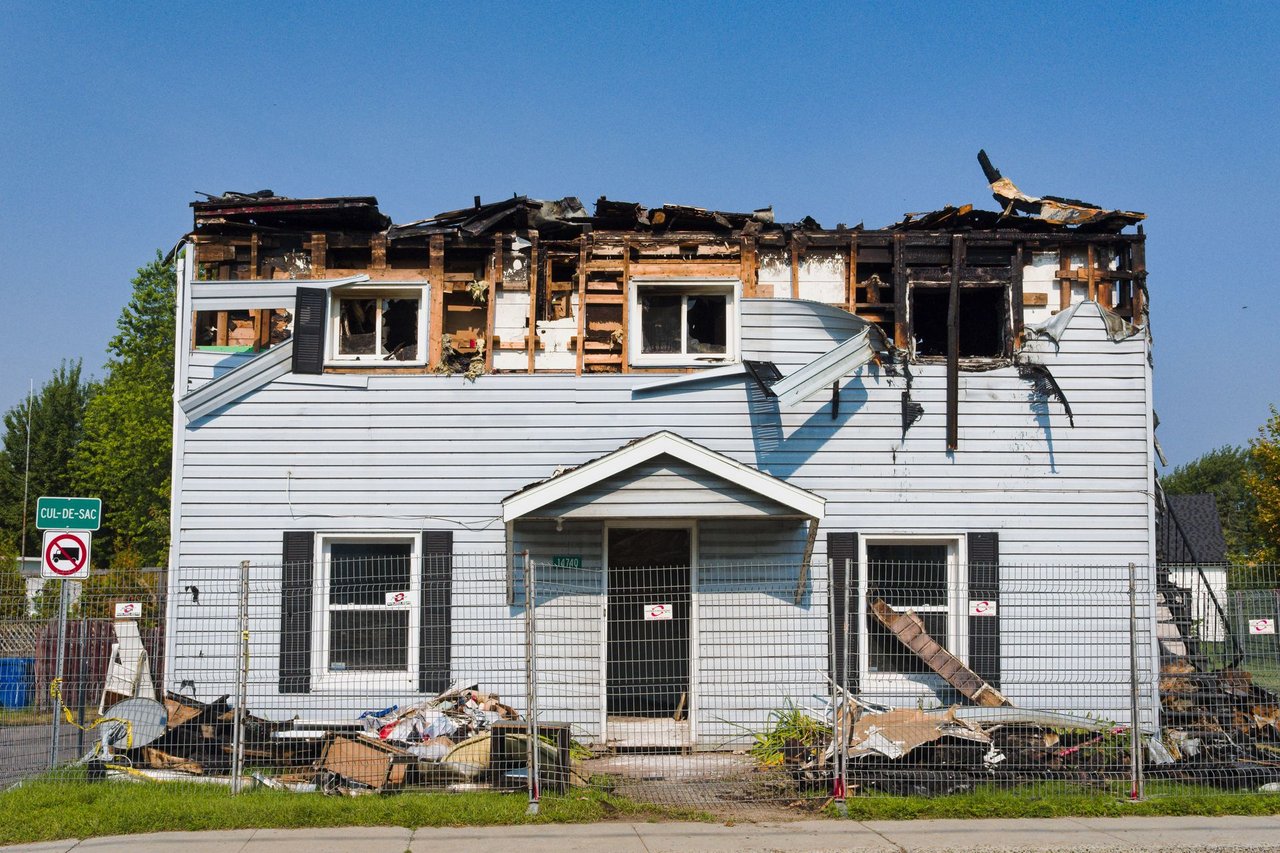
Harvard's 2026 housing report reveals deep affordability struggles nationwide. Here's what it means for Orange County buyers and sellers.

Mortgage rates hover in the mid-6% range this June. Here's what buyers and sellers in Orange County need to know right now.
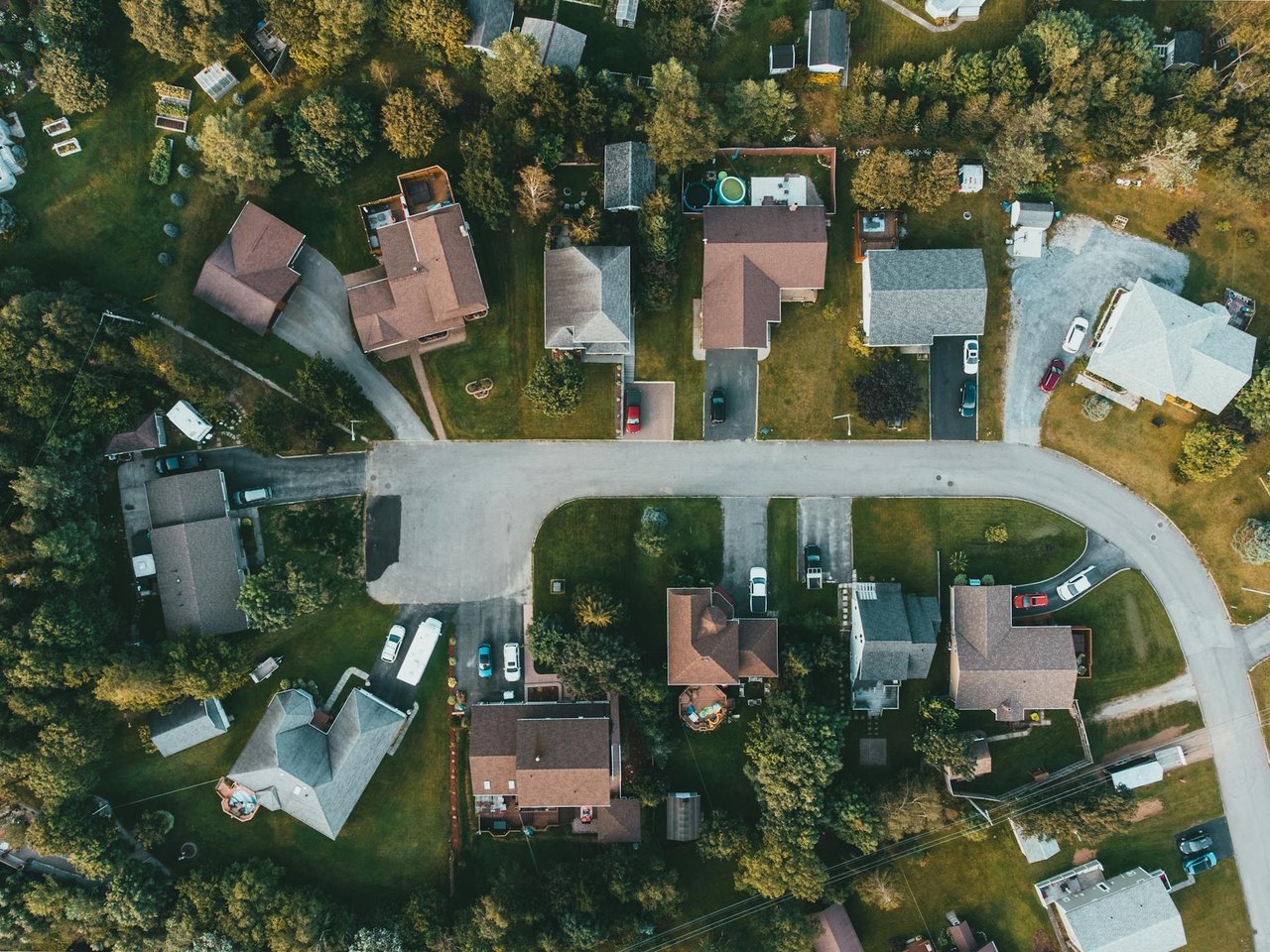
Home delistings hit near-record highs in April 2026. Learn what's driving sellers to pull listings and what it means for Orange County buyers and sellers.

Homeowners insurance premiums are climbing fast. Learn what's driving costs up and what it means for buyers and sellers in today's market.

Pending home sales drop for the second week as mortgage rates hit a 10-month high. Here's what it means for buyers and sellers today.

Housing affordability improved for 7 straight months. Learn what falling income requirements mean for buyers and sellers in Orange County and beyond.

Price cuts fell slightly in April 2026 as buyer demand rebounds. See what this means for Orange County buyers and sellers right now.
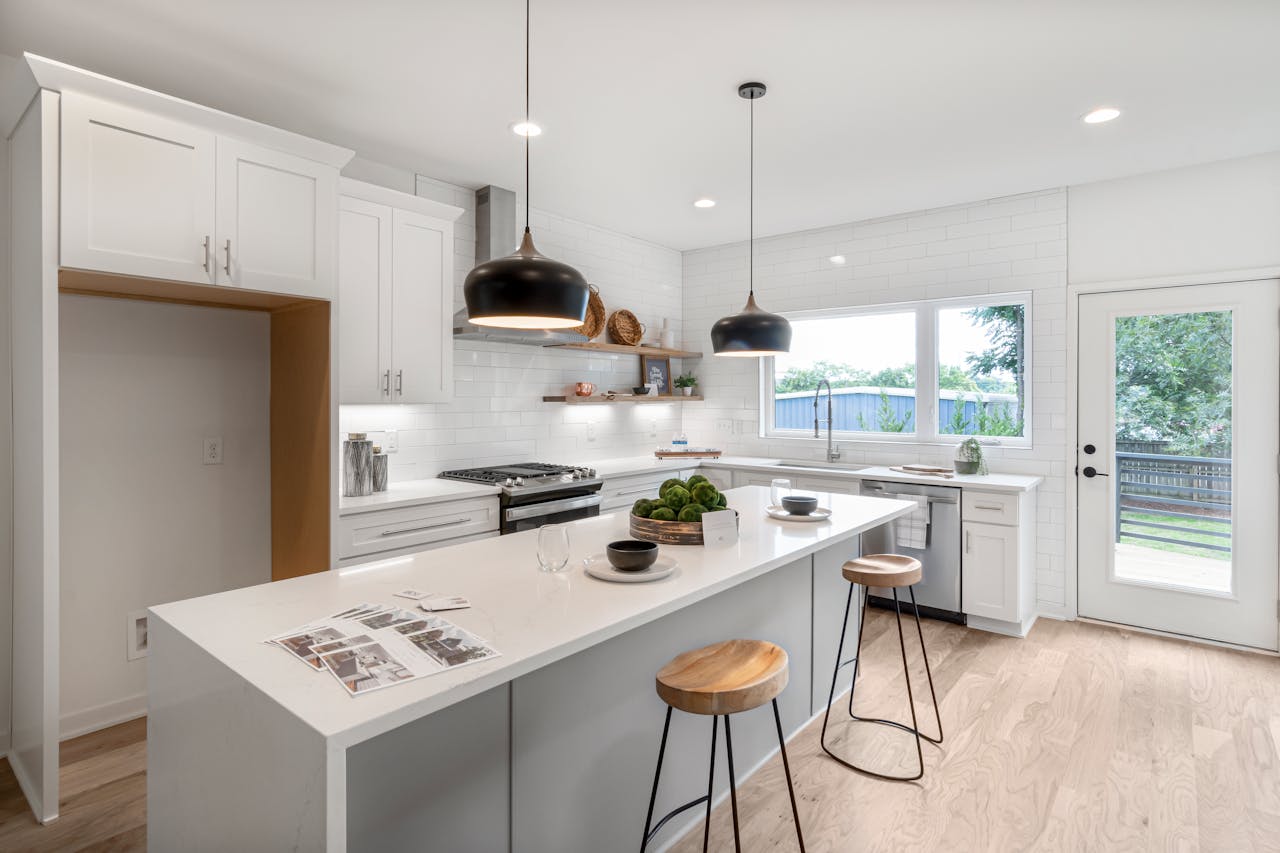
U.S. home prices rose 2.4% in April 2026, the biggest gain in 13 months. Here's what buyers and sellers in Orange County need to know now.
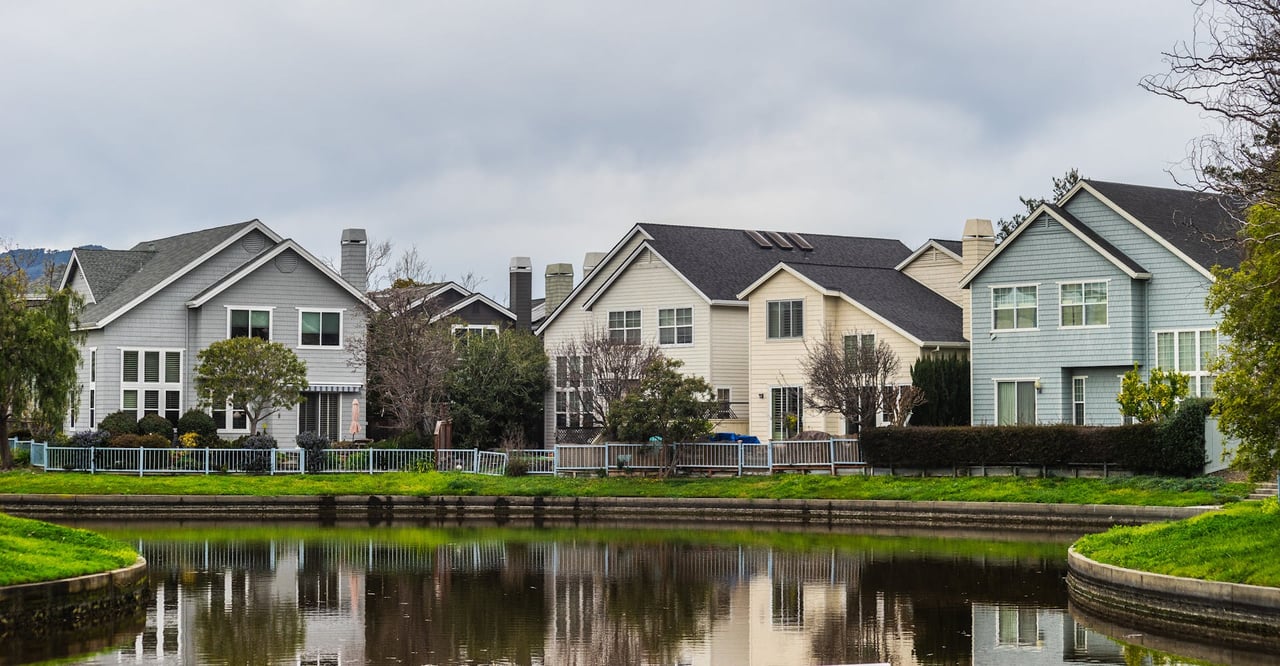
The U.S. housing market still favors buyers, but the gap is shrinking. Here's what April 2026 data means for Orange County.
Let's find a time that suits you best to chat about your goals, show you how we work, and figure out how we can help you the most
Get In Touch With Lisa

Broker Associate
949-877-7087
124 Tustin Ave Suite 200, Newport Beach, CA 92663