How California's Environmantal Laws Are Slowing Housing and Raising Costs in Orange County
Lisa Mailhot | November 27, 2026
Buyers
Lisa Mailhot | November 27, 2026
Buyers
If you have ever wondered why new homes seem so hard to come by in Southern California, a recent study offers a big piece of the answer. The Pacific Legal Foundation studied state-level policies and found that certain environmental review laws are being "weaponized" to stall developments, driving up the costs and reducing the affordability of housing. For anyone buying, selling, or investing in Orange County, this is worth understanding.
The research examines lawsuits that use state environmental policy acts, as well as environmental rights amendments written into state laws. Both of these kinds of disputes are expensive and time-consuming. Developers have to examine and reexamine the environmental impact of developments they want to build, and courts must then determine what cities are required to do to ensure a clean environment for residents.
The author of the study, Kyle Sweetland, puts the impact on everyday people plainly: "A real cost is borne on the people who are renting and buying those homes and apartments."
The pressure is already enormous. The Realtor.com Housing Supply Gap research shows the U.S. faces a shortage of 4.03 million homes. When fewer homes are built, competition rises, and that tends to support higher prices for the properties already on the market. Sellers may benefit from that scarcity, while buyers often feel the squeeze.
California has a long history of slow development on account of environmental review. In one recent example, a 49-unit housing development was stalled for 4.5 years in environmental litigation, which the developer said had raised the cost of the project by $9 million. In another, a 34-home subdivision was stalled for nearly 40 years, in part because of neighbors' environmental concerns.
It is not just a California problem. Sweetland looked at 16 states and the District of Columbia that have environmental policy acts that affect developers, or amendments that affect municipalities. Even so, California remains one of the states where these laws can meaningfully drive up costs, and the California Environmental Quality Act is at the center of that conversation.
Direct legal fees are only part of the story. Realtor.com senior economist Joel Berner explains: "The bigger costs come from what the lawsuit does to the project's financing and schedule." He adds that appeals typically add years, and in the meantime, most projects can't secure construction or grant funding. Loans, taxes, and insurance keep accruing, and construction costs can rise while the project waits.
There is also a cost no one can easily measure. It is hard to tell how many housing projects never started because developers expected a lawsuit. That uncertainty adds to the cost of capital for builders and squeezes out lower-margin projects like affordable and infill housing, which are exactly the kinds of homes many Orange County families need most.
This is not a simple story of good guys and bad guys. Berner notes that environmental laws are sometimes the easiest avenue residents have to oppose a residential project, so the challenge is not abusing the process. Still, the data raises questions. Seattle found that just 16% of cases filed using environmental laws over the 2010s resulted in decisions requiring environmental remediation. In New York, about 22% of cases over 15 years resulted in more environmental reviews, according to an outside researcher.
Pacific Legal Foundation says one solution is to narrow the scope of some environmental laws. Sweetland suggests limiting legal challenges from outside environmental groups so that the people challenging housing developments have a real vested interest in their outcomes. He also suggests requiring groups that lose cases to pay legal fees, giving those who file suits an incentive to bring legitimate claims rather than using the courts as a stalling tactic. As he puts it, "The law shouldn't just give anybody the ability to have a license to stop a building from moving forward."
Lawmakers are paying attention. About a dozen states have pitched laws that would make it easier to build homes, though some proposals have met with failure, like California's Proposition 45, which aimed to expedite project reviews. At the federal level, the Senate recently passed a controversial bill that would reduce some federal environmental regulations, such as the National Environmental Policy Act, to speed up construction of big-energy projects. It now heads to the House.
Whether you are dreaming of your first home, planning to sell, or looking to build wealth through Orange County real estate, understanding forces like these gives you a real advantage. Limited supply, rising costs, and shifting laws all shape the market you are stepping into. If you are considering a move to Orange County, I would love to guide you through it with local insight and a strategy built around your goals. Reach out at Whitestone Real Estate, and let's turn your plans into your next address.
Reference: Navera, T. (2026, November 27). How state environmental laws are being 'weaponized' to stall housing and drive up costs. Realtor.com.
State environmental laws are stalling new homes and raising costs. Here's what it means for Orange County buyers and sellers.
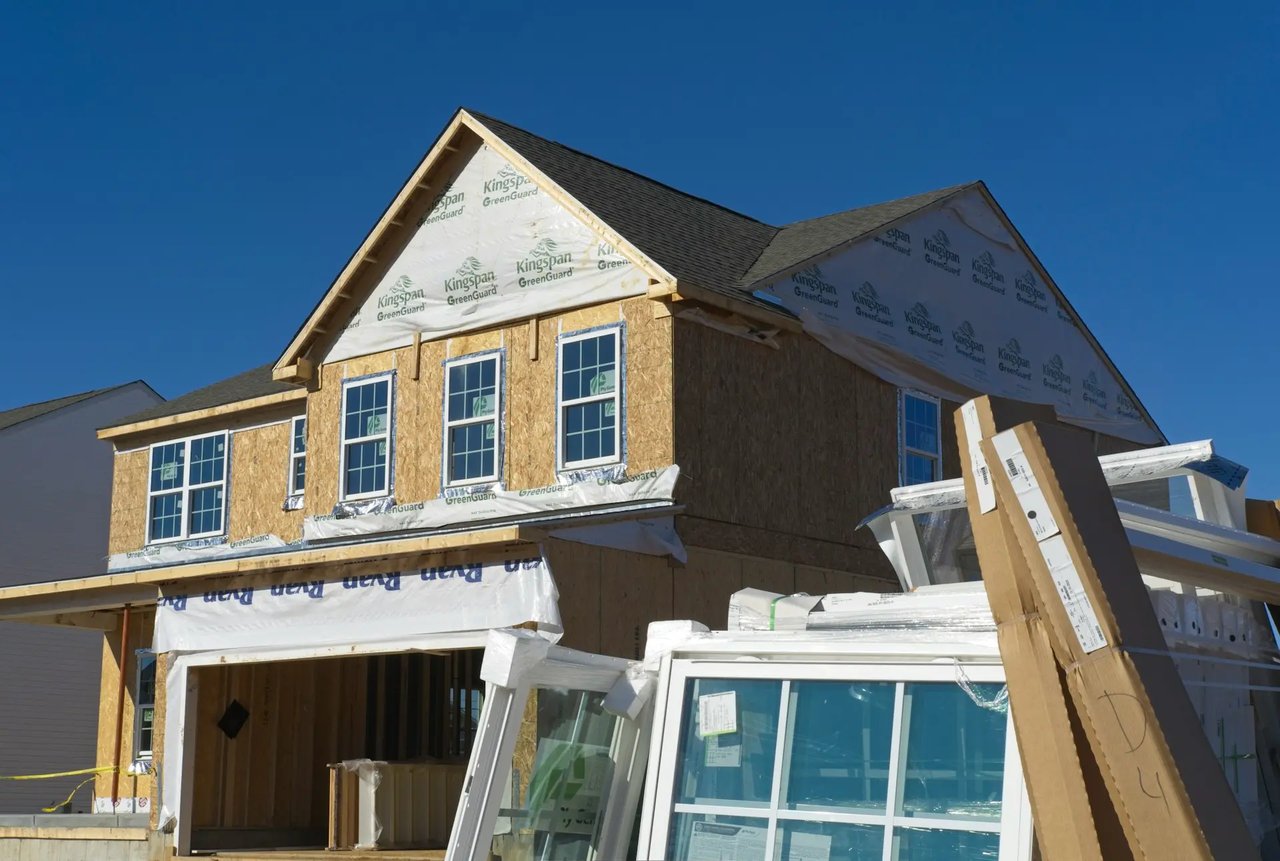
The Senate passed BAAJA 62-33. See how faster permitting could affect housing costs, energy bills, and Orange County buyers and sellers.
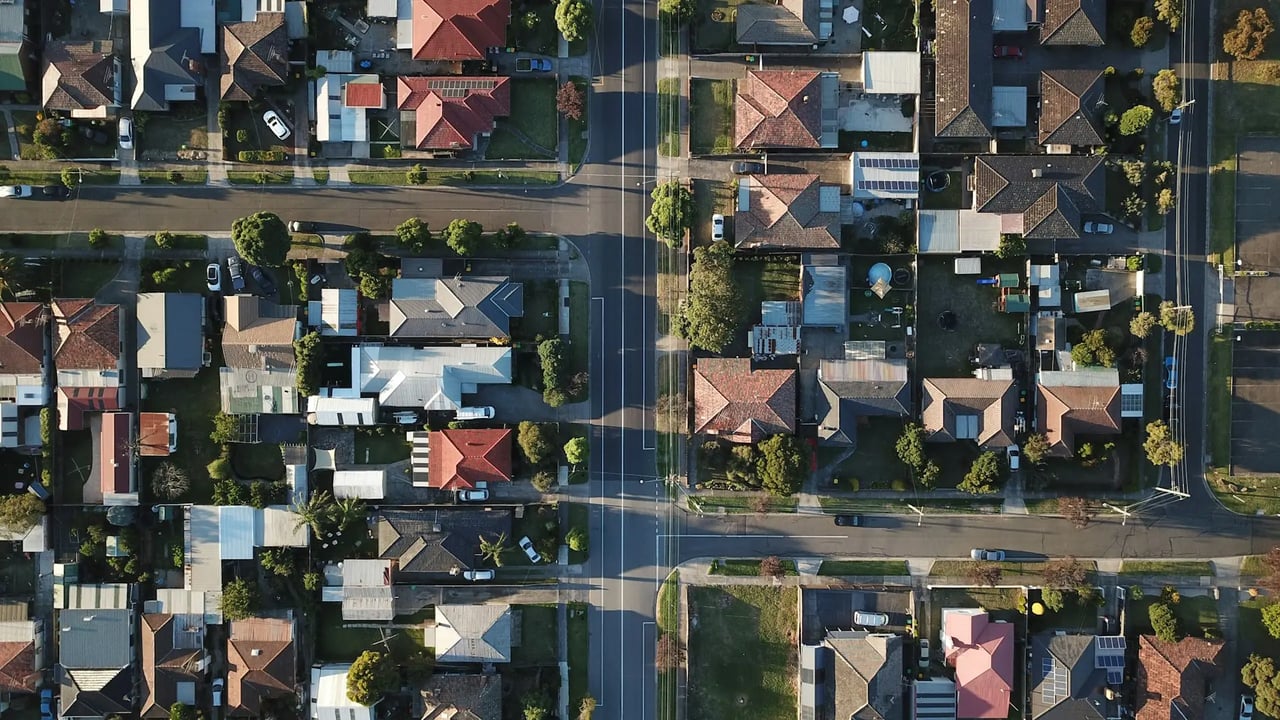
Mortgage rates jumped and the market froze. Learn what record-low sales and the lock-in effect mean for Orange County buyers and sellers.
Record 10% of first-time buyers paid all cash and the median age hit 40. See what NAR’s 2026 data means for Orange County buyers and sellers.
Home prices dipped nationwide in October 2026, but Orange County held firm. See what rates and rising inventory mean for buyers and sellers.
Home purchase cancellations hit a record high. Learn what it means for Orange County buyers and sellers and how to negotiate smartly.

Listings are up 7.4% while buyers retreat and sellers hold firm on price. Here is what it means for Orange County buyers and sellers.
Orange County inventory dipped as sales and delistings rose. See what the latest numbers mean for buyers and sellers heading into winter.
Home prices fell for a third straight week and payments dipped. See what it means for Orange County buyers and sellers and how to act now.
Let's find a time that suits you best to chat about your goals, show you how we work, and figure out how we can help you the most
Get In Touch With Lisa

Broker Associate
949-877-7087
124 Tustin Ave Suite 200, Newport Beach, CA 92663