How the Federal Reserve's Actions Impact Your Real Estate Decisions
Lisa Mailhot | October 29, 2023
Buyers

Lisa Mailhot | October 29, 2023
Buyers
In the fast-paced world of real estate, staying ahead of economic trends is crucial for realtors and homeowners alike. The recent news from the Federal Reserve regarding interest rates and inflation has sent ripples through various aspects of the economy, including the housing market. In this blog post, we'll break down the implications of the Federal Reserve's actions on your real estate decisions, helping you navigate these uncertain times.
One of the most significant impacts of the Federal Reserve's decisions is seen in mortgage rates. Despite 15-year and 30-year mortgage rates being fixed, they are indirectly influenced by the economy and inflation. As a result, the average rate for a 30-year, fixed-rate mortgage has reached a staggering 8%, the highest in over two decades. This spike in mortgage rates has led to a considerable decrease in purchasing power for potential homebuyers.
While fixed-rate mortgages have surged, adjustable-rate mortgages (ARMs) and home equity lines of credit (HELOCs) have followed suit, reaching a near 9% average rate for HELOCs. This situation poses challenges for homeowners seeking to refinance or tap into their home equity, impacting the real estate market's overall health.
For those considering purchasing a new vehicle, rising auto loan rates are a significant concern. Even though auto loans come with fixed rates, the cost of borrowing has increased due to the rise in interest rates and car prices. The average rate on a five-year new car loan now stands at 7.62%, the highest in 16 years. This puts pressure on potential buyers and may affect their decisions related to homeownership.
While Federal student loan rates are fixed, recent changes by the Federal Reserve have led to an increase in rates for new borrowers. Undergraduate students taking out new direct federal student loans are now paying 5.50%, up from 4.99% in the previous academic year. Additionally, interest is accruing again for those with existing debt, ending the pandemic-era pause on loan payments. These financial burdens may impact young adults' ability to enter the housing market or make other real estate-related decisions.
Amidst the challenges, there is a silver lining for savers. Although the Federal Reserve has no direct control over deposit rates, they tend to correlate with changes in the federal funds rate. As a result, some banks are now offering higher deposit rates, with top-yielding online savings accounts paying over 5%. Savvy investors may consider this an opportunity to bolster their savings and potentially use those funds for real estate investments in the future.
The Federal Reserve's decisions have far-reaching implications that extend to the real estate market. From soaring mortgage rates to increasing auto loan costs and the impact on student loans, potential homebuyers and sellers need to be aware of the changing financial landscape. While challenges persist, opportunities for savers also emerge. Realtors and homeowners alike should stay informed and adapt their strategies to navigate this complex economic environment.
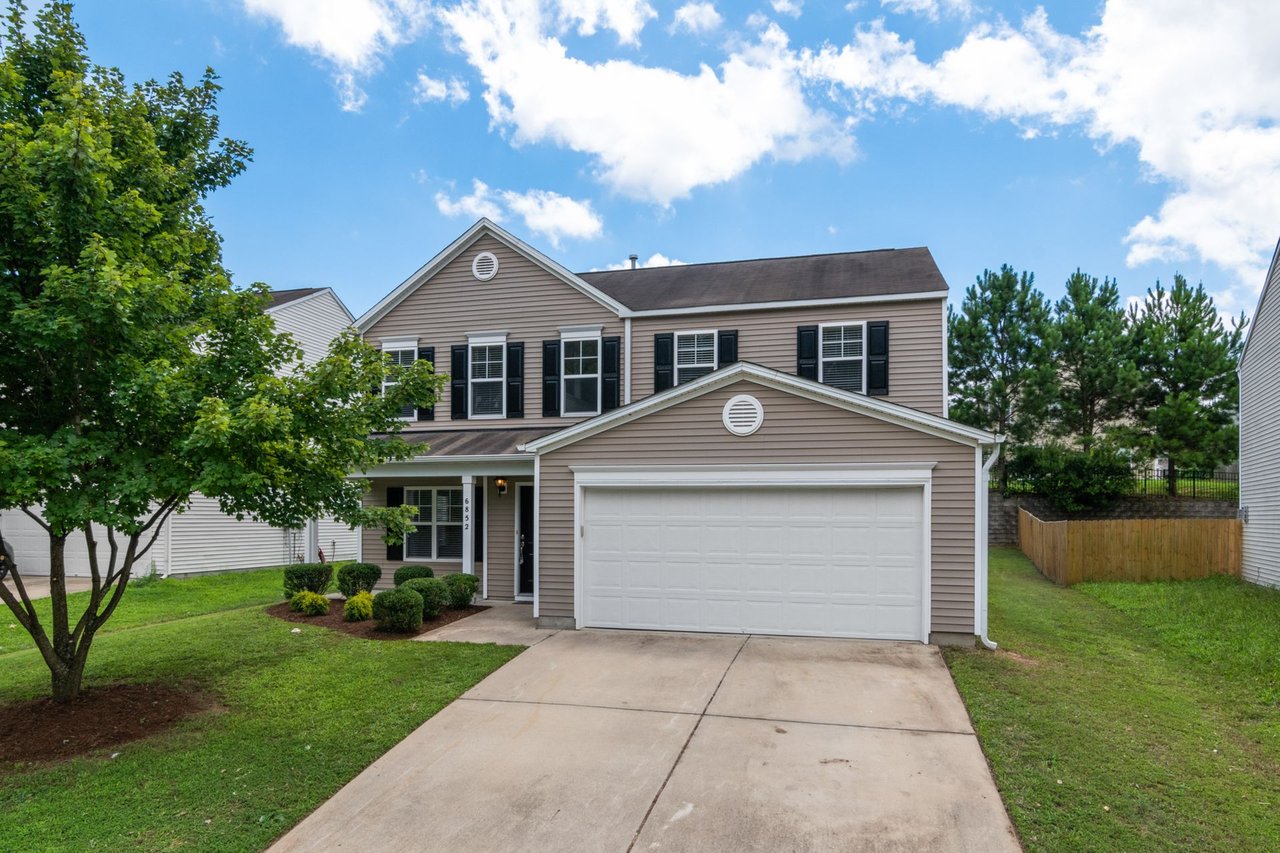
Pending home sales rose as mortgage rates briefly dipped. Here's what this summer housing market shift means for Orange County buyers and sellers.

Fed Governor Waller wants less forward guidance on rates. Here's what that means for Orange County buyers and sellers trying to time the market.
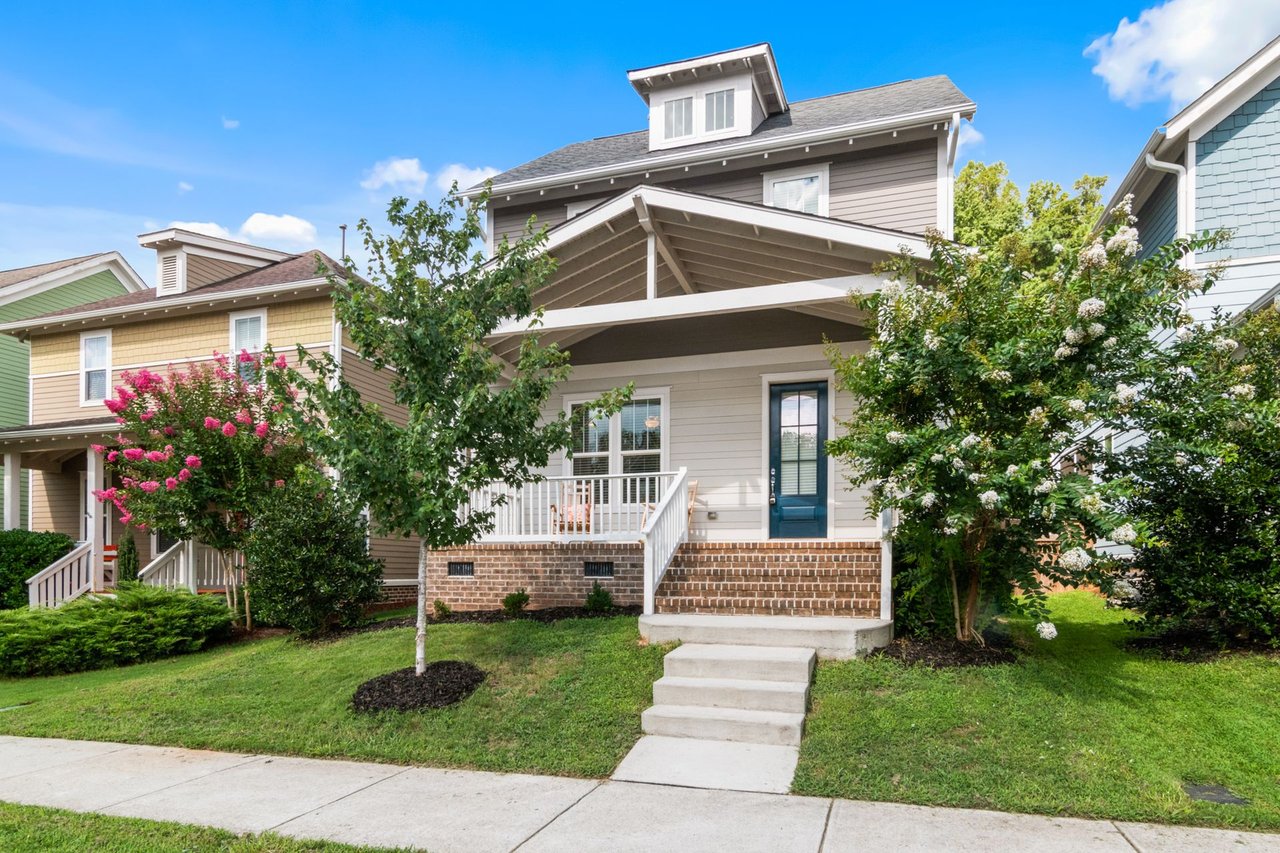
A new Redfin survey shows most homeowners feel their home reflects who they are. Here's what it means for Orange County buyers.

Harvard's 2026 housing report reveals deep affordability struggles nationwide. Here's what it means for Orange County buyers and sellers.

Mortgage rates hover in the mid-6% range this June. Here's what buyers and sellers in Orange County need to know right now.

Home delistings hit near-record highs in April 2026. Learn what's driving sellers to pull listings and what it means for Orange County buyers and sellers.

Homeowners insurance premiums are climbing fast. Learn what's driving costs up and what it means for buyers and sellers in today's market.

Pending home sales drop for the second week as mortgage rates hit a 10-month high. Here's what it means for buyers and sellers today.

Housing affordability improved for 7 straight months. Learn what falling income requirements mean for buyers and sellers in Orange County and beyond.
Let's find a time that suits you best to chat about your goals, show you how we work, and figure out how we can help you the most
Get In Touch With Lisa

Broker Associate
949-877-7087
124 Tustin Ave Suite 200, Newport Beach, CA 92663

