Real Estate Outlook for 2024: Identifying Cities with Soaring and Plummeting Property Values
Lisa Mailhot | January 19, 2024
Buyers

Lisa Mailhot | January 19, 2024
Buyers
The real estate market in 2023 presented formidable challenges for home buyers, characterized by soaring mortgage rates and record-high home prices. However, 2024 promises a mixed bag of trends, with certain U.S. cities anticipating notable price increases, while others may face declines.
Nationally, a modest appreciation of 2.5% in home prices is expected. Yet, in stark contrast, 20 cities are forecasted to experience growth at least double this rate. This projection comes amidst a backdrop where only 16% of homes were deemed affordable for the typical buyer last year, a significant drop from around 40% before 2022. The rise in mortgage rates, in response to the Federal Reserve's policies to counter inflation, has been a key factor in this shift.
Interestingly, despite higher financing costs traditionally dampening home prices, 2023 saw a surge due to fierce competition over limited housing inventory. This trend underlines the strong, ongoing demand driving the real estate market.
From Alaska to Arizona, various cities are set to witness considerable price jumps. Remarkably, five Californian and four Washington state cities are in this group. Topping this list is Redding, California, with an anticipated 7.3% increase in home values. Redding, a Northern Californian city with around 90,000 residents, currently has a median home price of approximately $375,000.
Conversely, certain cities, especially those that experienced significant price hikes during the pandemic, are now at risk of a downturn. For instance, in the Tampa-St. Petersburg area of Florida, housing costs have escalated by 72% since early 2020. Notably, four of the five cities most likely to see sharp price declines are in Florida, with one in Georgia.
As we navigate this complex and evolving real estate landscape, it's crucial for buyers and sellers to stay informed and adapt their strategies accordingly. While some areas offer promising opportunities for growth, others require caution due to potential price corrections.
If you're considering a move to Orange County or seeking guidance in this dynamic market, let's connect. Together, we can explore your options and find the best path forward in 2024's real estate journey.
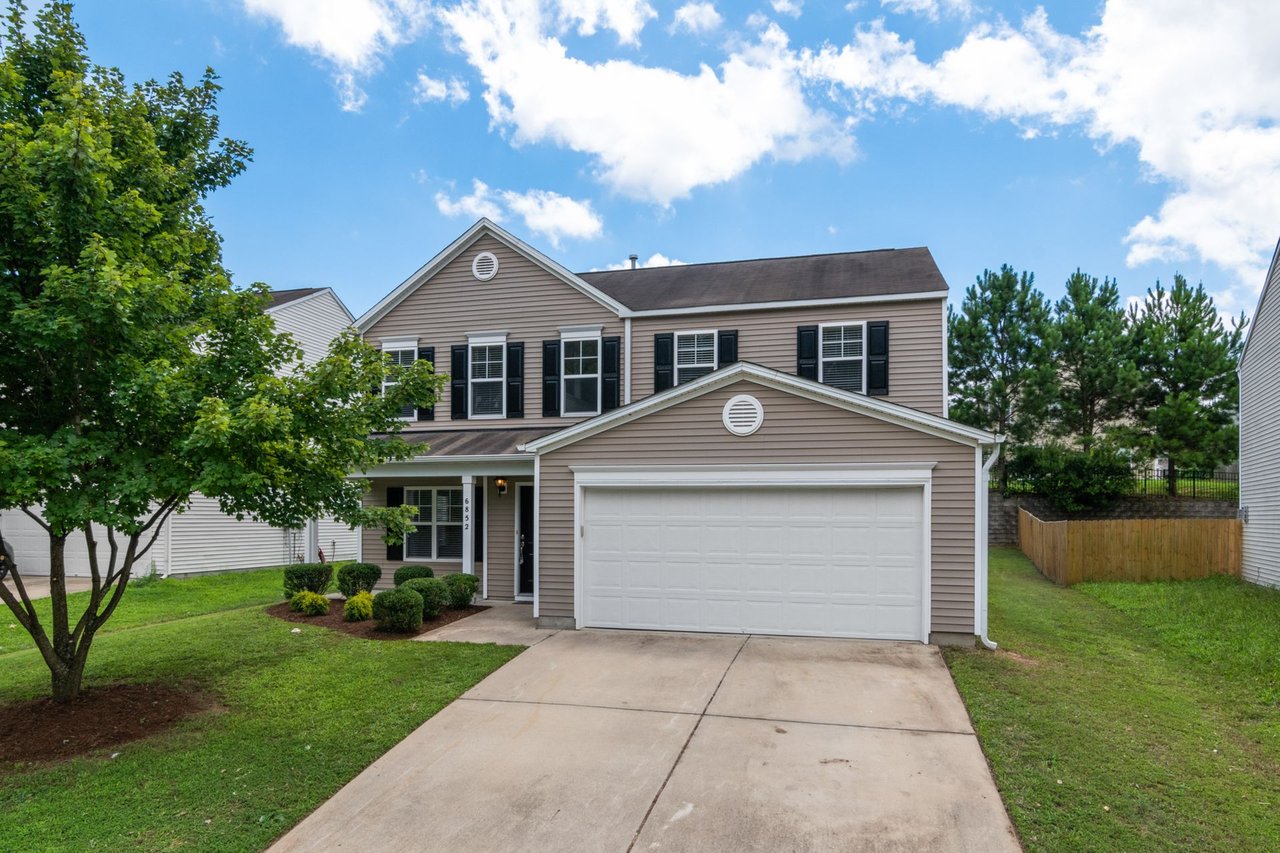
Pending home sales rose as mortgage rates briefly dipped. Here's what this summer housing market shift means for Orange County buyers and sellers.

Fed Governor Waller wants less forward guidance on rates. Here's what that means for Orange County buyers and sellers trying to time the market.
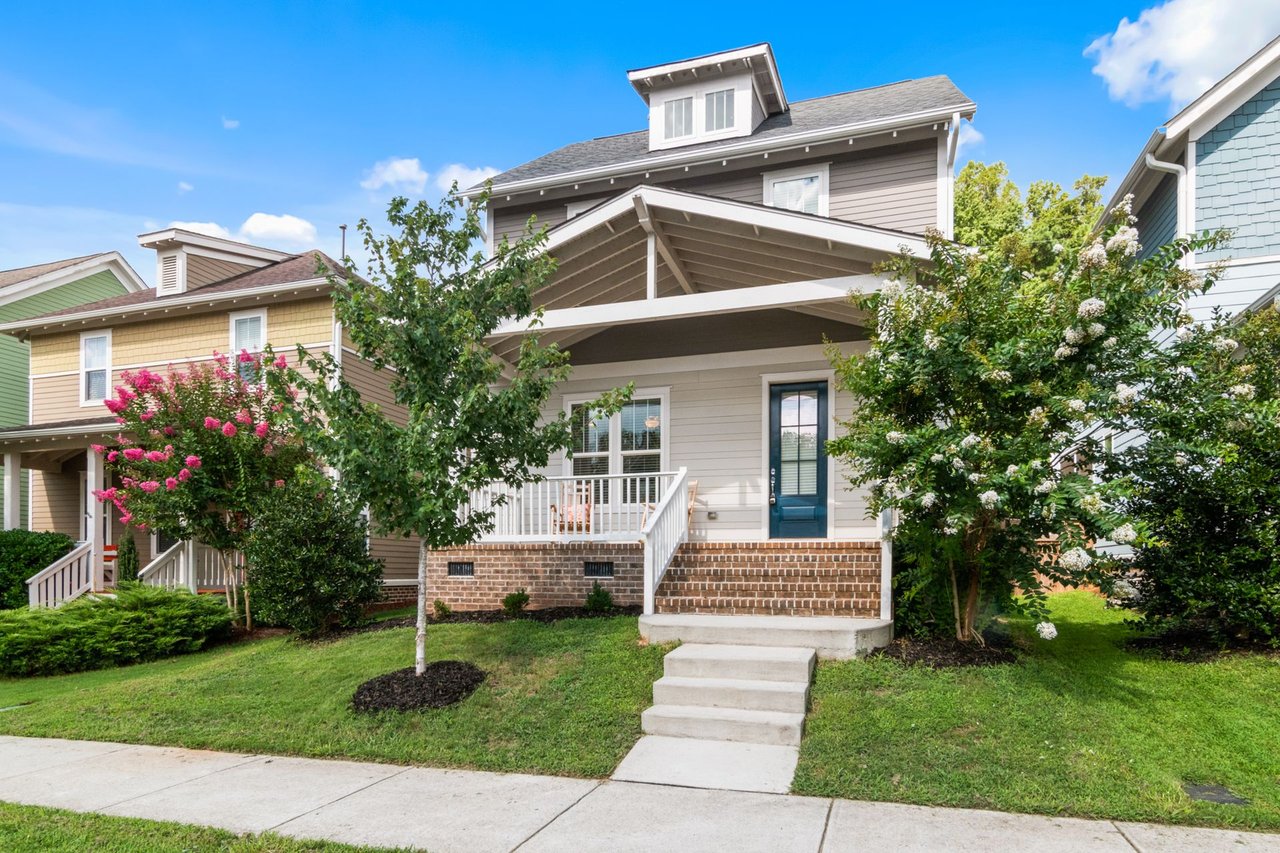
A new Redfin survey shows most homeowners feel their home reflects who they are. Here's what it means for Orange County buyers.

Harvard's 2026 housing report reveals deep affordability struggles nationwide. Here's what it means for Orange County buyers and sellers.

Mortgage rates hover in the mid-6% range this June. Here's what buyers and sellers in Orange County need to know right now.
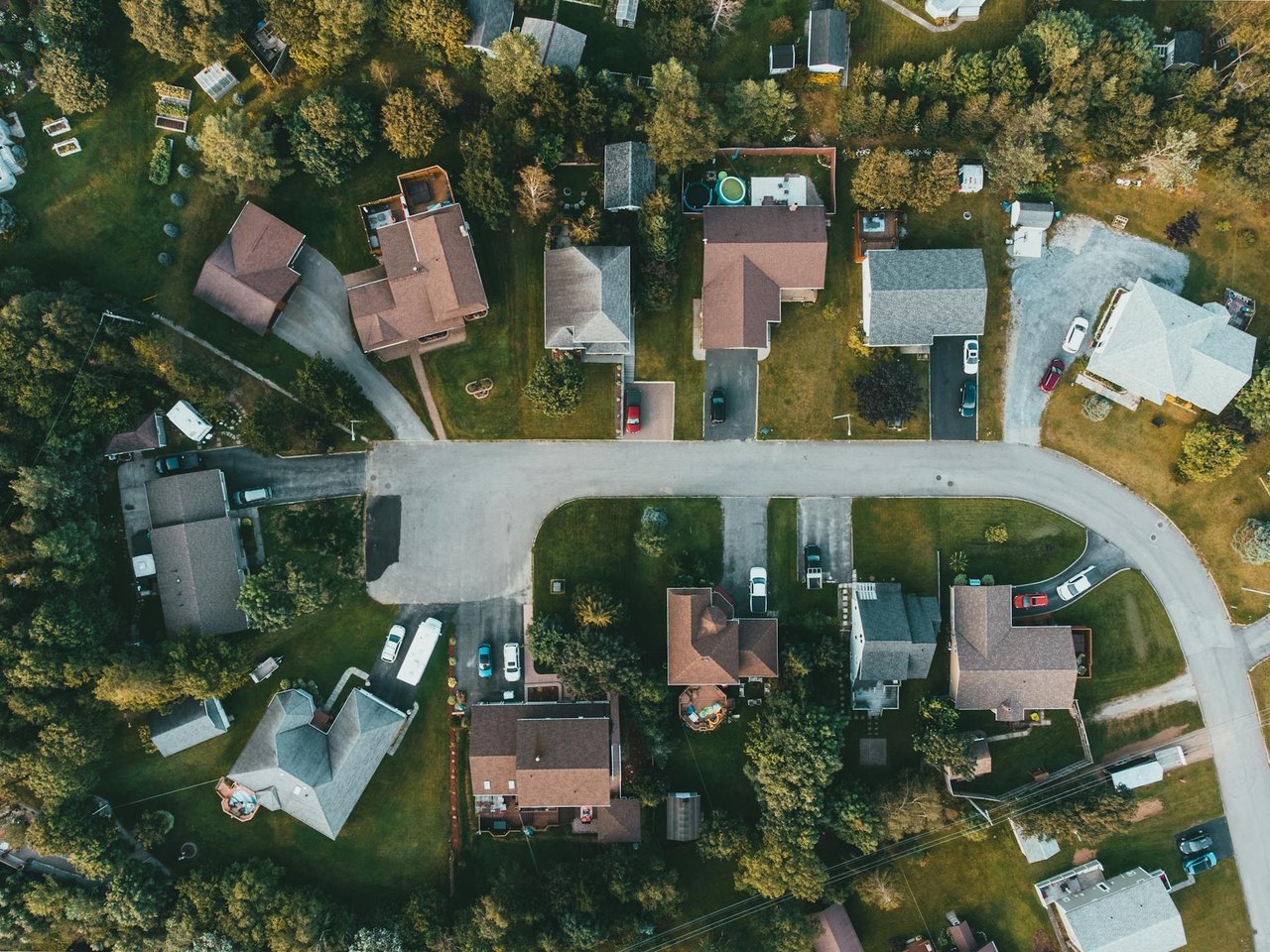
Home delistings hit near-record highs in April 2026. Learn what's driving sellers to pull listings and what it means for Orange County buyers and sellers.

Homeowners insurance premiums are climbing fast. Learn what's driving costs up and what it means for buyers and sellers in today's market.

Pending home sales drop for the second week as mortgage rates hit a 10-month high. Here's what it means for buyers and sellers today.

Housing affordability improved for 7 straight months. Learn what falling income requirements mean for buyers and sellers in Orange County and beyond.
Let's find a time that suits you best to chat about your goals, show you how we work, and figure out how we can help you the most
Get In Touch With Lisa

Broker Associate
949-877-7087
124 Tustin Ave Suite 200, Newport Beach, CA 92663