Navigating the Rise of Seriously Underwater Mortgages
Lisa Mailhot | June 14, 2024
Buyers

Lisa Mailhot | June 14, 2024
Buyers

As temperatures rise this summer, the term "underwater" takes on a critical meaning for homeowners far beyond the comfort of a cool dip in the pool. An underwater mortgage occurs when the principal amount owed on a mortgage is higher than the home's current market value. When this figure exceeds 25%, the mortgage is considered "seriously underwater."
Recent data from ATTOM highlights a slight increase in the percentage of homeowners nationwide facing seriously underwater mortgages, rising from 2.6% last year to 2.7% today. Regions most affected include various Southern cities like Baton Rouge and New Orleans, as well as locales in the Midwest such as Jackson, MS, and Little Rock, AR.
The origins of these underwater mortgages can largely be traced back to the COVID-19 pandemic, which fueled home price spikes due to a severe inventory shortage and low interest rates. However, as the market stabilizes, prices are correcting, leading to increased instances of underwater mortgages. Additional economic factors, such as shifts away from fossil fuel production and other regional economic declines, have exacerbated the situation in states like Louisiana, Kentucky, Oklahoma, and Wyoming.
This uptick in underwater mortgages could herald broader challenges for the real estate market. High home prices, combined with soaring maintenance costs and taxes, strain homeowners. For those currently underwater, options include enduring the downturn, seeking loan modifications, or considering short sales, though each path has significant implications.
If you're in a region witnessing a rise in underwater mortgages, it's crucial to understand your position and options. While the market presents challenges, strategic planning can provide a pathway forward. If you're contemplating moving to Orange County and want to navigate these complex waters successfully, let's connect and explore your best moves in today's market.

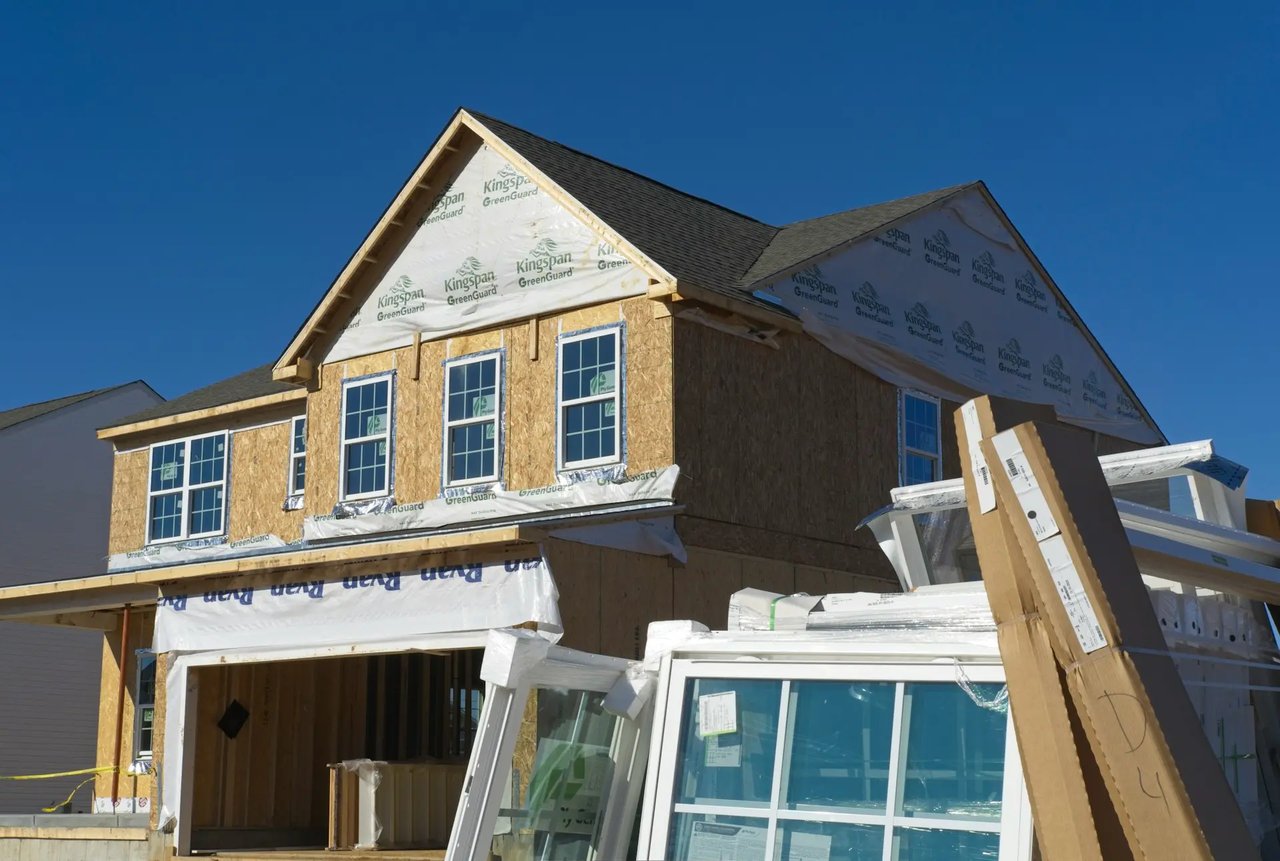
State environmental laws are stalling new homes and raising costs. Here's what it means for Orange County buyers and sellers.
The Senate passed BAAJA 62-33. See how faster permitting could affect housing costs, energy bills, and Orange County buyers and sellers.
Mortgage rates jumped and the market froze. Learn what record-low sales and the lock-in effect mean for Orange County buyers and sellers.
Record 10% of first-time buyers paid all cash and the median age hit 40. See what NAR’s 2026 data means for Orange County buyers and sellers.
Home prices dipped nationwide in October 2026, but Orange County held firm. See what rates and rising inventory mean for buyers and sellers.

Home purchase cancellations hit a record high. Learn what it means for Orange County buyers and sellers and how to negotiate smartly.

Listings are up 7.4% while buyers retreat and sellers hold firm on price. Here is what it means for Orange County buyers and sellers.

Orange County inventory dipped as sales and delistings rose. See what the latest numbers mean for buyers and sellers heading into winter.
Home prices fell for a third straight week and payments dipped. See what it means for Orange County buyers and sellers and how to act now.
Let's find a time that suits you best to chat about your goals, show you how we work, and figure out how we can help you the most
Get In Touch With Lisa

Broker Associate
949-877-7087
124 Tustin Ave Suite 200, Newport Beach, CA 92663