Understanding Contingent and Pending Home Sales
Lisa Mailhot | August 16, 2024
Buyers

Lisa Mailhot | August 16, 2024
Buyers

Understanding "contingent" and "pending" in real estate listings is crucial for buyers strategizing their next move. Here’s a breakdown of what these terms mean and how they play out in real scenarios.
A contingent status means that while an offer on a home has been accepted and it's under contract, certain conditions—known as contingencies—need to be met before the sale can finalize. Here are some common types:
A pending status indicates that an offer on a property has been accepted, all contingencies have been met or waived, and the property is nearing sale closure. The listing becomes inactive, and while the seller is committed, the buyer may still back out, albeit at the risk of losing their earnest money deposit.
It's possible to make an offer on a property that's already under contract. Sellers may consider backup offers in case the initial deal falls through. However, once a property moves from contingent to pending, entering the fray as a new buyer becomes increasingly difficult.
While rare, there are instances where deals don’t close. For example, in June 2024, about 5% of agreements were terminated before closure due to financing issues, failed inspections, or appraisal problems, according to the National Association of Realtors.
Understanding the distinction between contingent and pending statuses can significantly influence your home-buying strategy. Knowing the specifics of each can help you make more informed decisions. If you’re considering a move in the real estate market, let’s connect and navigate your options together!
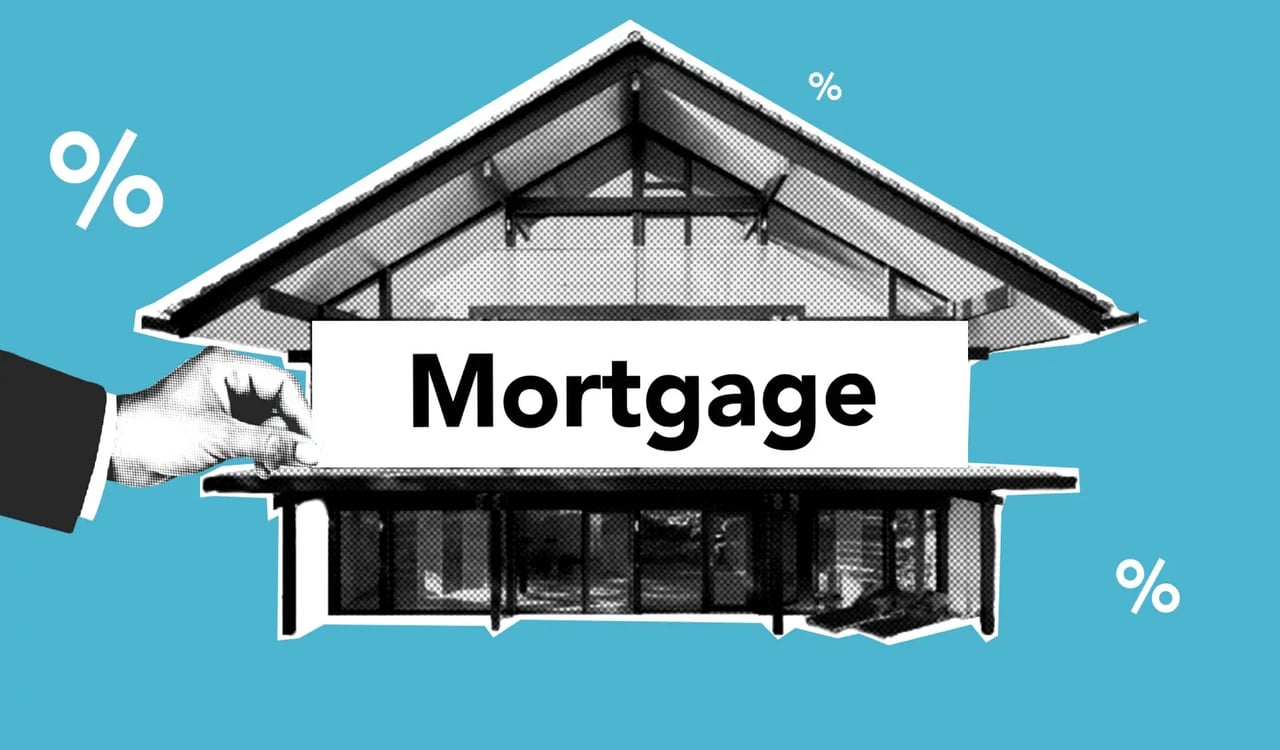
Portable mortgages are back in Congress, but experts see big hurdles. Here is what Orange County buyers and sellers should know.

Tropical Storm Rachel flooded Newport Beach’s Balboa Peninsula. Here is what Orange County buyers and sellers should know about coastal living.

Record heat, wildfires and rising insurance costs are reshaping California moves. See what it means for Orange County buyers and sellers.
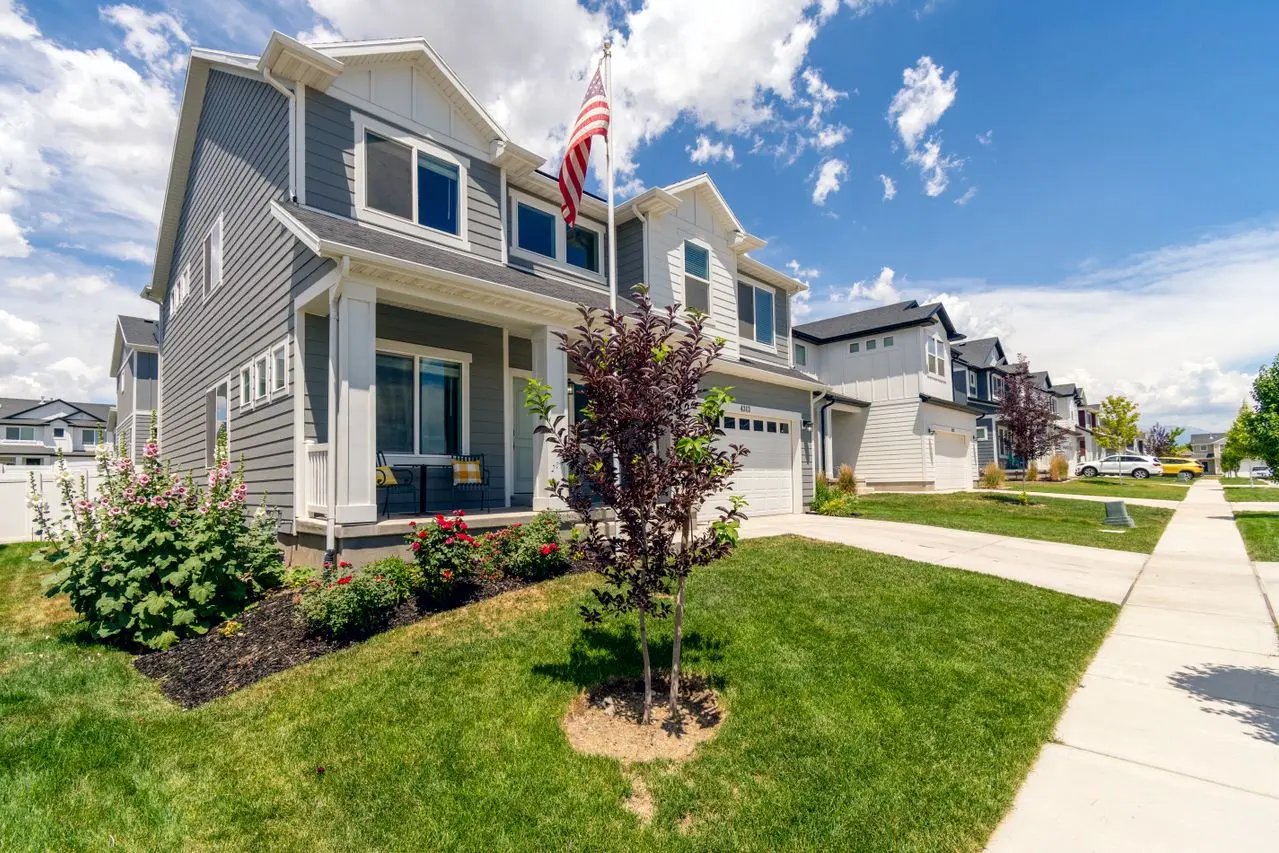
Rates above 7.5% are squeezing young voters. See what the affordability squeeze means for Orange County buyers and sellers.

Things to do in Orange County Oct 8 to 11, from Carnival Colossal and Margaret Cho to Irvine Global Village Festival and Chili at the Beach.

Price cuts hit a record September high nationwide. See what Redfin's new data means for Orange County buyers and sellers heading into fall.

The Irvine Global Village Festival turns 25 on Oct. 10 at the Great Park with global food, music, dance and family fun in Orange County.
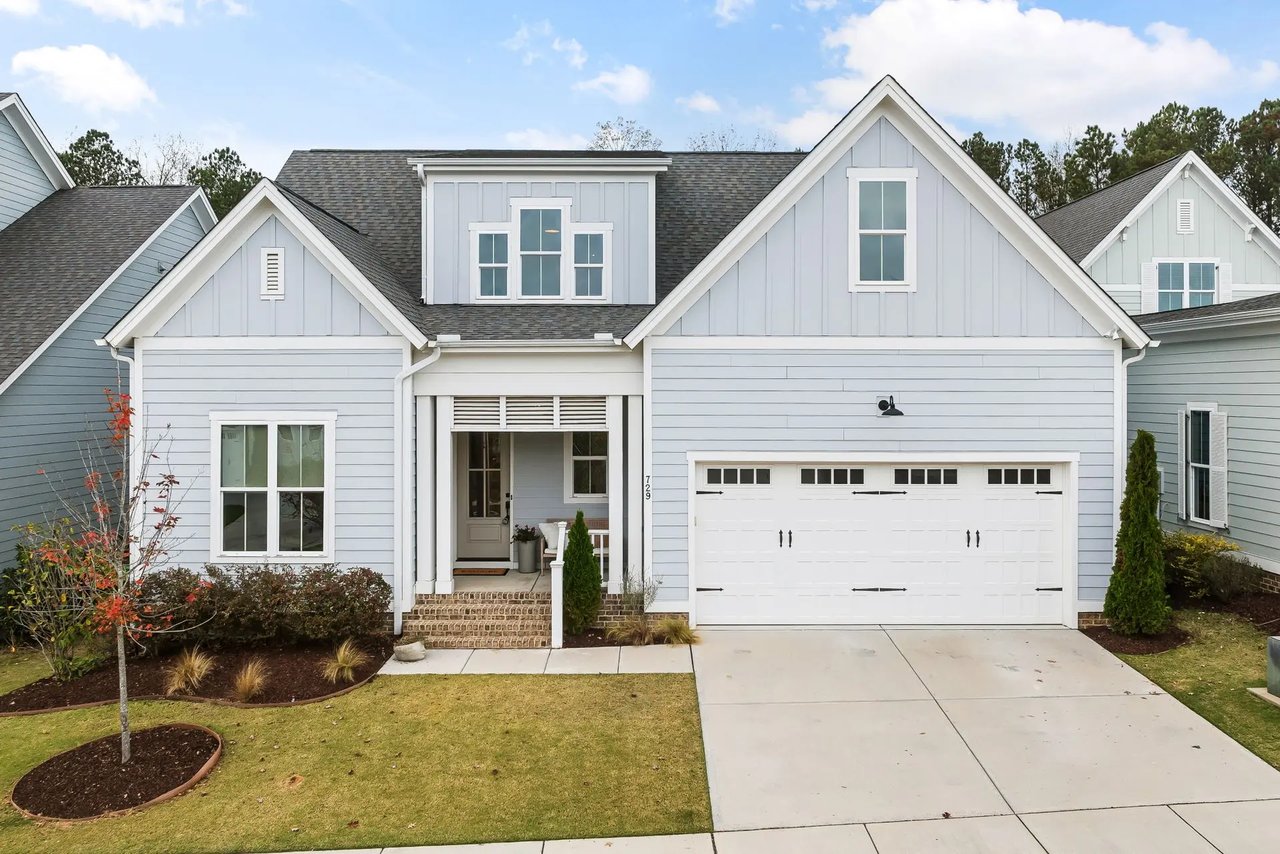
Housing affordability hit a 21-year low as the Fed signals more rate hikes. Here is what Orange County buyers and sellers should know.

Ohana Festival returns to Doheny State Beach in Dana Point, September 25 to 27, with Pearl Jam, Maná and more. Your Orange County event guide.
Let's find a time that suits you best to chat about your goals, show you how we work, and figure out how we can help you the most
Get In Touch With Lisa

Broker Associate
949-877-7087
124 Tustin Ave Suite 200, Newport Beach, CA 92663