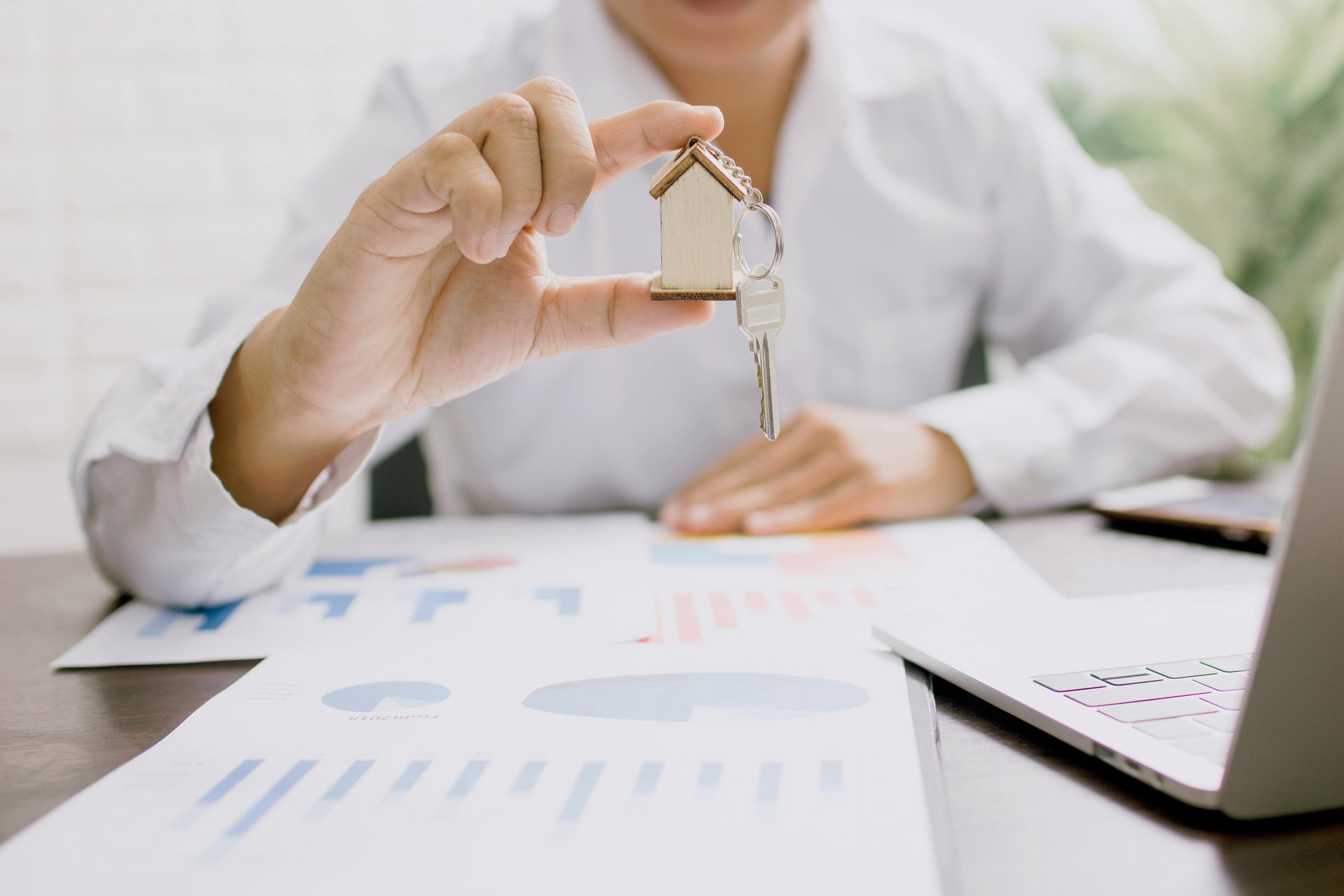
Are Tariffs Slowing Down the Real Estate Market?
Lisa Mailhot | April 22, 2025
Buyers

Lisa Mailhot | April 22, 2025
Buyers

Tariffs are more than political headlines—they’re hitting the housing market from multiple angles. As appraiser Jonathan Miller said, “tariffs are attacks on the American consumer and that drives inflation.” With new trade policies coming from the Trump administration, including “reciprocal” tariffs that were announced and then put on hold until July 9, uncertainty is growing across industries, and real estate is no exception.
A Redfin survey found that nearly one-quarter of Americans are canceling plans to buy a home or car due to tariff fears, and 32% are delaying those purchases. As Miller pointed out, “when consumers are uncertain, what do they do? They pause.”
One of the hardest-hit areas is new development. The administration’s tariffs on steel, aluminum, and certain imports have led to rising material costs. While lumber from Mexico and Canada is exempt under USMCA, a separate 14.5% tariff on Canadian lumber is still in effect.
Miller noted, “There’s no question that tariffs are going to impact new construction because of material costs [and] the immigration policy.” Labor is another factor—“Forty percent of construction workers are foreign-born,” meaning immigration restrictions will only add pressure to already strained construction timelines and costs.
While international buyers haven’t pulled out entirely, many are taking a wait-and-see approach. “It may not diminish [demand] substantially, but I do see it pausing international interest, just because of the unknowns in the economy,” Miller said.
Still, the market is not one-size-fits-all. Daniel Daggers of DDRE Global explained that in some areas, a weaker dollar might actually draw more international buyers. “If you have that, and you add the fact that the dollar just got cheaper… then that’s a good thing,” he said, pointing to hot markets like Miami.
The biggest threat may be closer to home. As CEO Mauricio Umansky of The Agency put it, “goods increasing [in] pricing, and potentially, with prices increasing, creating less demand in all markets.” Simply put, higher prices could slow buyer activity in an already tense housing market.
Federal Reserve Chair Jerome Powell also raised concerns, warning that tariffs could trigger “higher inflation and slower growth.” That could make future interest rate cuts harder to come by, placing even more financial stress on buyers.
For real estate professionals, adaptability is key. Stephanie Anton of Corcoran Affiliate Network emphasized that “even if it’s not a primary impact to a country, there’s these secondary impacts.” Affiliates in industries like automotive are already feeling the effects. And when clients feel the pinch, agents must respond creatively.
“People just have to be really creative in difficult times,” Anton said—something the industry has done before, and will do again.
As the real estate landscape shifts with global policies, now is the time for buyers and sellers to move with intention. At Whitestone Real Estate, we’re keeping a close eye on these developments to guide our clients through every twist and turn. Whether you’re ready to buy, sell, or simply explore your options, let’s connect and create a strategy that works for you—right here in Orange County.
Reference: Dickerson, L. (2025, April 21). Tariffs to spur ripple effects across real estate, industry leaders warn. Inman.
Homebuyer affordability dropped for a fifth month in a row. Here's what it means for Orange County buyers and sellers and how to plan your next move.

New Redfin data reveals weather beats affordability as the top reason Americans relocate, and Orange County has exactly what movers are chasing.
Pending home sales rose as mortgage rates briefly dipped. Here's what this summer housing market shift means for Orange County buyers and sellers.

Fed Governor Waller wants less forward guidance on rates. Here's what that means for Orange County buyers and sellers trying to time the market.
A new Redfin survey shows most homeowners feel their home reflects who they are. Here's what it means for Orange County buyers.
Harvard's 2026 housing report reveals deep affordability struggles nationwide. Here's what it means for Orange County buyers and sellers.

Mortgage rates hover in the mid-6% range this June. Here's what buyers and sellers in Orange County need to know right now.
Home delistings hit near-record highs in April 2026. Learn what's driving sellers to pull listings and what it means for Orange County buyers and sellers.

Homeowners insurance premiums are climbing fast. Learn what's driving costs up and what it means for buyers and sellers in today's market.
Let's find a time that suits you best to chat about your goals, show you how we work, and figure out how we can help you the most
Get In Touch With Lisa

Broker Associate
949-877-7087
124 Tustin Ave Suite 200, Newport Beach, CA 92663