Gas Prices Drop, Inflation Slows—Here’s What That Could Mean for Your Mortgage
Lisa Mailhot | April 10, 2025
Buyers

Lisa Mailhot | April 10, 2025
Buyers
New data shows inflation took a step back in March, offering a temporary reprieve for consumers and homeowners alike. According to the U.S. Labor Department, "overall prices rose 2.4% in March from a year earlier, slower than the 2.8% gain recorded in February." Even better, prices actually declined 0.1% from February to March—largely due to falling gasoline costs.
Crude oil prices slid as fears of a global slowdown emerged, triggered by President Trump's tariff threats against Canada and Mexico. This decline in energy prices helped balance out rising costs in groceries and housing.
But what does that mean for real estate—and more importantly, your mortgage?
Let’s be clear: “Falling inflation is typically good for mortgage rates,” but that doesn’t mean rates are dropping overnight. Rather, the latest data eases some of the pressure on rates, allowing financial markets—and the Fed—to take a breath.
As Danielle Hale, Chief Economist at Realtor.com®, puts it: "March inflation data were somewhat lower than expected, giving the Fed the opportunity to worry less about inflation, but I don’t expect to see a big shift in monetary policy expectations as a result of this one reading."
In fact, experts anticipate the Fed will remain on hold this year, with no immediate moves to raise or lower interest rates. Stephen Brown of Capital Economics adds, "we still judge that the Fed will remain on hold this year," signaling a more wait-and-see approach.
So if you're in the market, you might not see lower mortgage rates just yet—but you could enjoy a bit more stability in the short term.
Of course, this inflation slowdown came just before the big twist: Trump’s “Liberation Day” tariff announcement on April 2. While some tariffs were paused, a 10% baseline tax remains in place on all trade, and tariffs on Chinese goods have jumped to 125%.
This has economists bracing for a potential reversal. “Tariffs now [are] the biggest factor in inflation expectations,” and their ripple effects could soon be felt across consumer prices, including housing and construction materials.
Fed Chair Jerome Powell didn't mince words: Trump’s global tariffs will likely lead to “higher inflation and slower growth.” So while March gave us some breathing room, the path ahead remains unpredictable.
Here’s one encouraging trend: “Housing inflation also continued to cool, with annual inflation for rent and owners' equivalent rent reaching their lowest levels in three years.” That’s a big deal for buyers and renters in Orange County, where affordability has long been a challenge.
Lower rent inflation could signal a window of opportunity for renters looking to transition into homeownership—or for investors evaluating long-term growth strategies.
And with travel prices (like airfares and hotels) also falling, this cooling-off period is giving the economy a much-needed pause.
Real estate in Orange County doesn’t move in a vacuum. National trends like inflation, energy prices, and trade policy all play a role in shaping our local housing landscape. Right now, we’re in a moment of relative calm—but don’t mistake that for a long-term trend.
If you’re weighing a move, exploring refinancing, or just want a smarter strategy tailored to this unique market moment, let’s talk. I’m here to help you make confident moves—backed by data, local expertise, and a deep understanding of where the market’s really headed.
Reference: Griffith, K. (2025, April 10). Inflation Slowed in March Thanks to Falling Gas Prices, Easing Pressure on Mortgage Rates. Realtor.com.

A new bipartisan bill may let first-time buyers pull up to $35,000 from a 529 plan tax free for a down payment. Here's what it means for Orange County.

A bipartisan bill could double the capital gains tax exclusion on home sales, freeing up Orange County inventory and rewarding long-term homeowners.
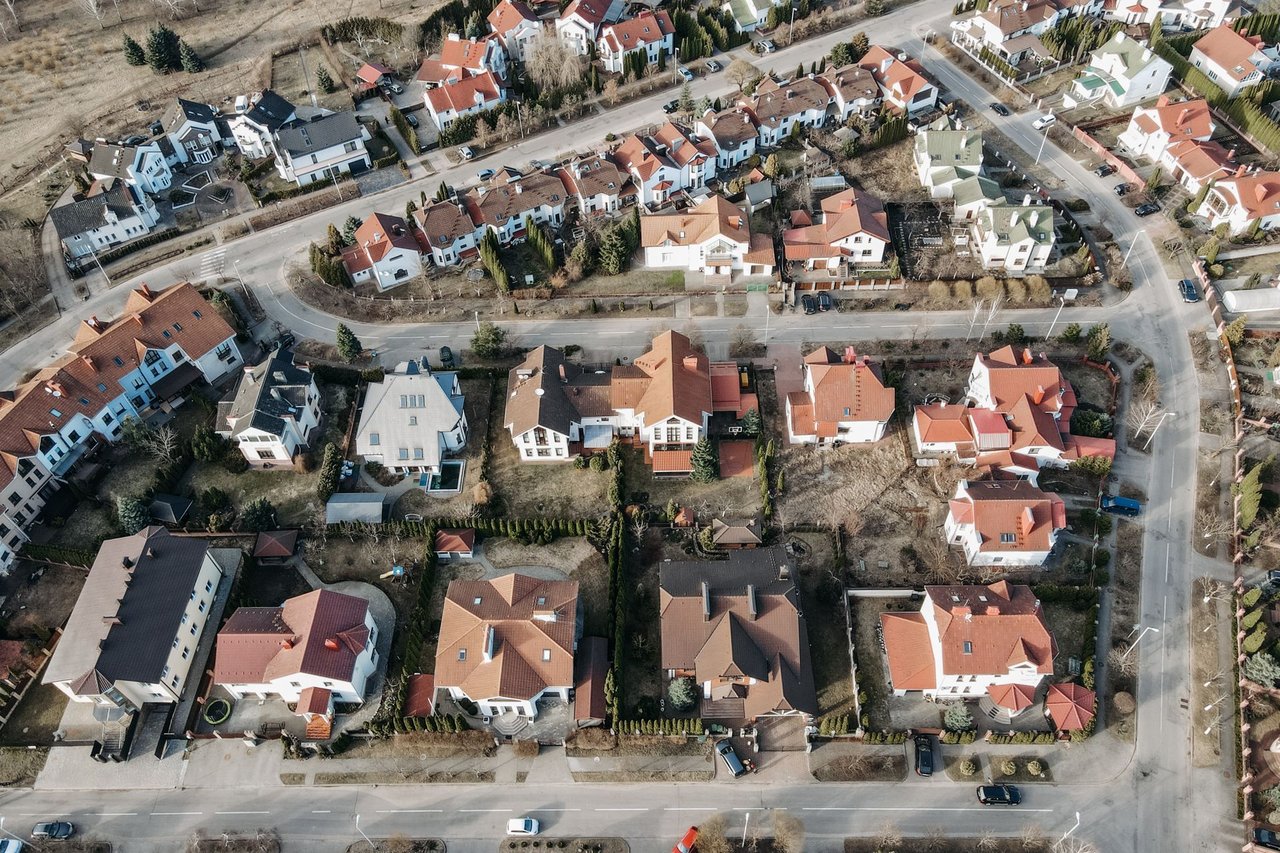
The 2026 summer housing market has slowed nationwide, giving buyers more time and leverage. Here's what it means for Orange County movers.

Fannie Mae and Freddie Mac's new condo underwriting rules could slow approvals and raise costs. Here's what Orange County buyers and sellers need to know.

A new federal housing law cuts red tape and boosts construction. Here is what it means for Orange County buyers, sellers, and investors.

Homebuyer affordability dropped for a fifth month in a row. Here's what it means for Orange County buyers and sellers and how to plan your next move.

New Redfin data reveals weather beats affordability as the top reason Americans relocate, and Orange County has exactly what movers are chasing.
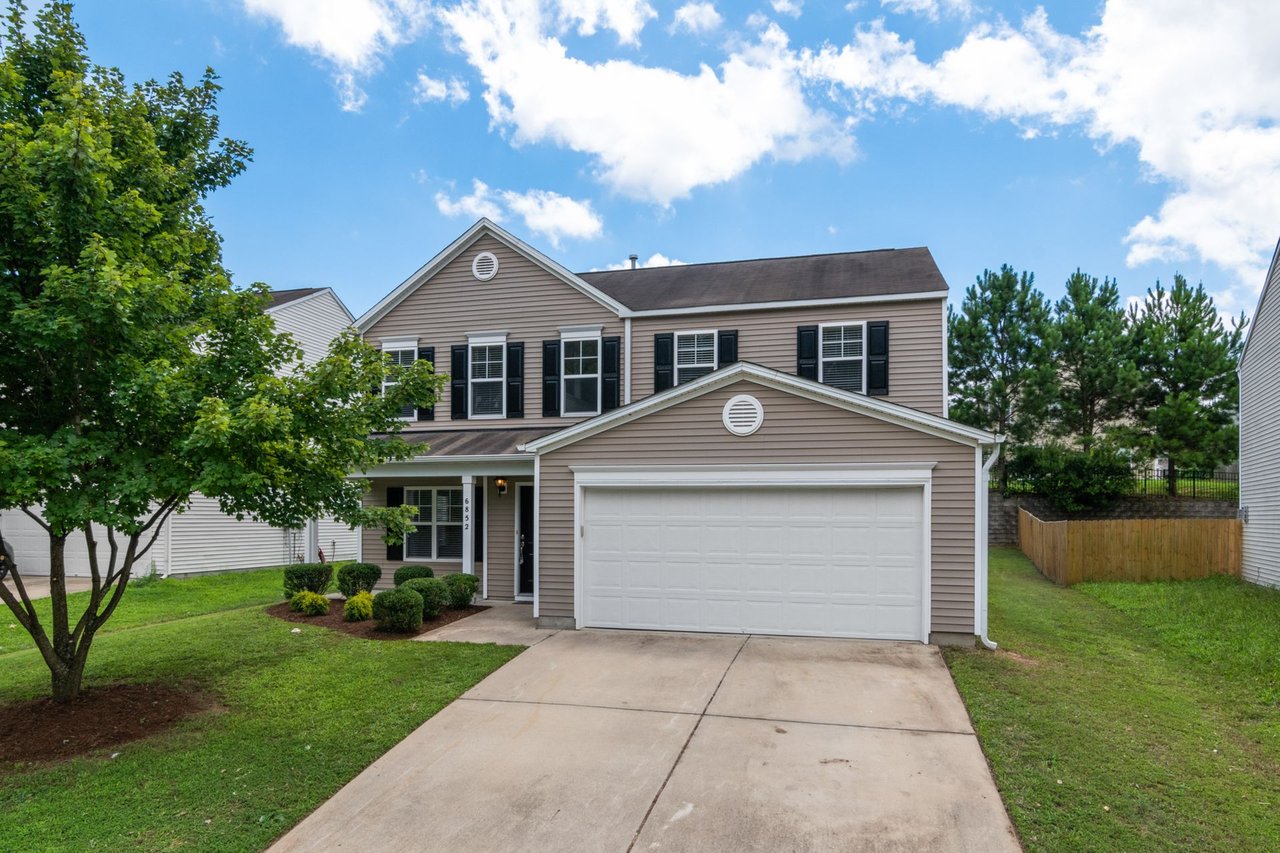
Pending home sales rose as mortgage rates briefly dipped. Here's what this summer housing market shift means for Orange County buyers and sellers.

Fed Governor Waller wants less forward guidance on rates. Here's what that means for Orange County buyers and sellers trying to time the market.
Let's find a time that suits you best to chat about your goals, show you how we work, and figure out how we can help you the most
Get In Touch With Lisa

Broker Associate
949-877-7087
124 Tustin Ave Suite 200, Newport Beach, CA 92663