Solar Panels or Moss? How Aerial Errors Lead to Policy Drops
Lisa Mailhot | October 30, 2024
Buyers
Lisa Mailhot | October 30, 2024
Buyers
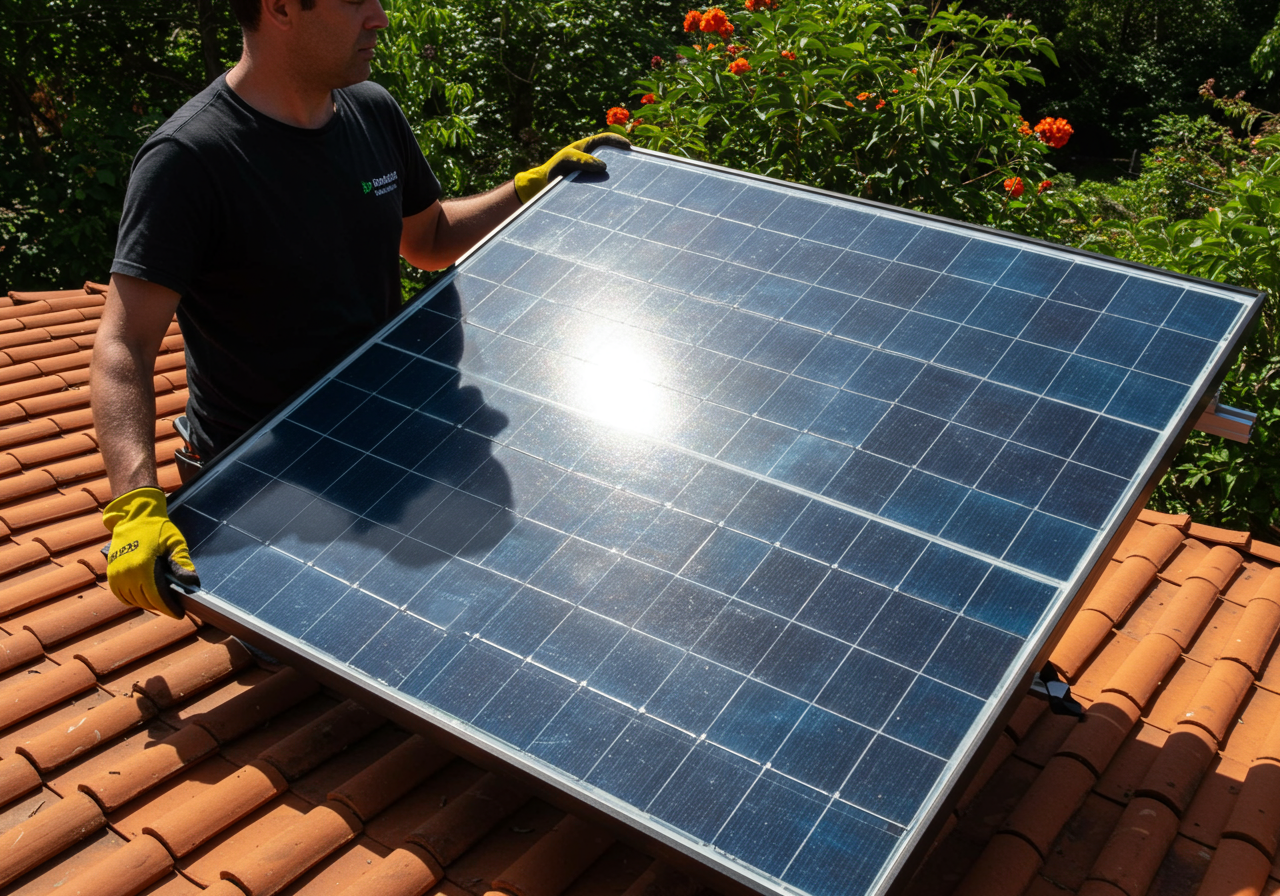
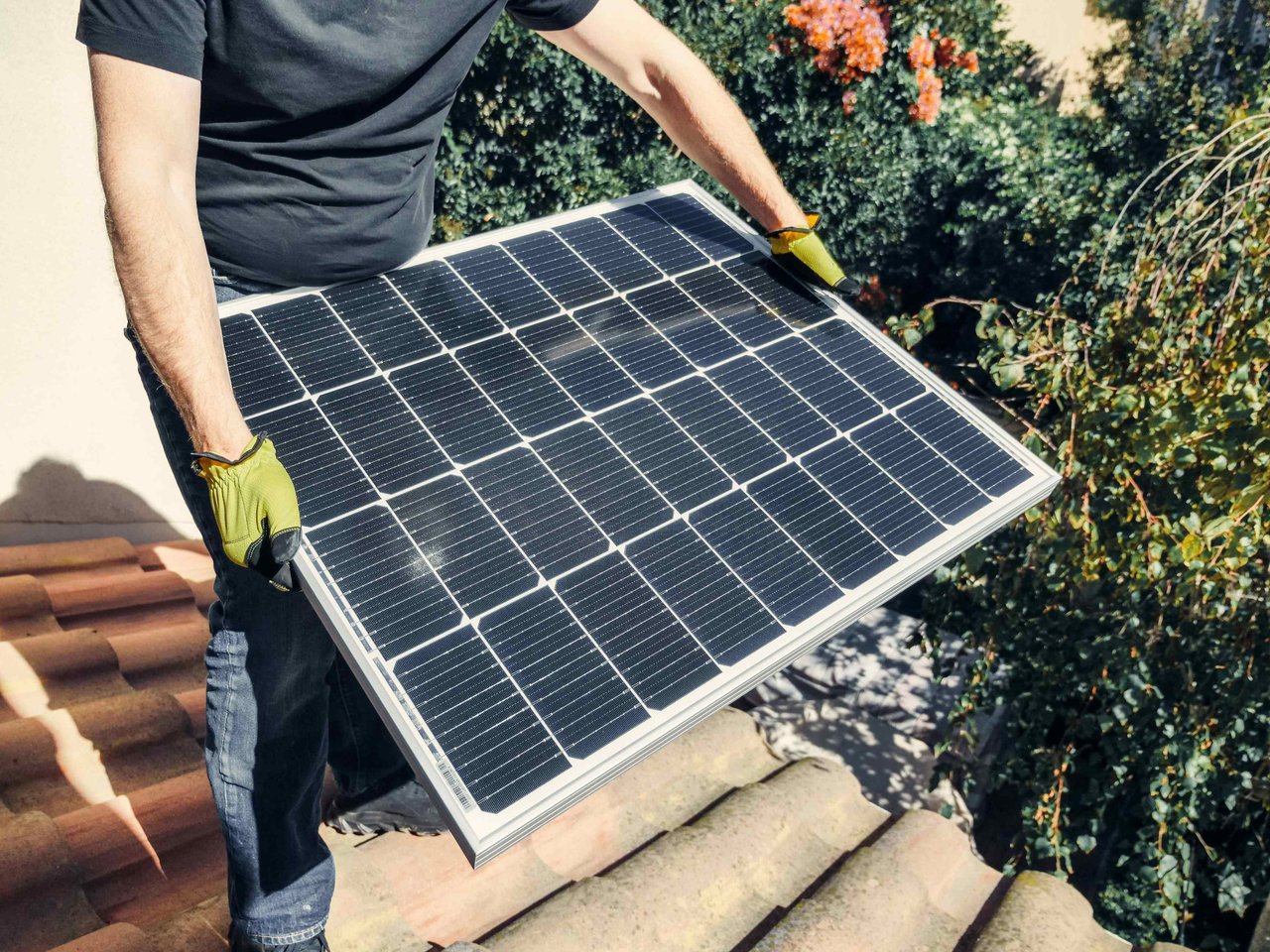
In a surprising twist, California homeowners Janice and Anthony Coleman found themselves battling their long-standing insurance provider when Liberty Mutual incorrectly identified their solar panels as "moss and mold growth." Despite hiring a roofer to verify the roof’s integrity, the couple's appeal was denied, leaving them scrambling for a new, pricier policy.
Aerial technology, like drones, has become a common tool in insurance assessments, used to quickly review potential risks and property conditions. However, mistakes like the Colemans’ experience highlight the downside: errors can lead to unexpected policy cancellations and higher costs for customers who have held policies for years.
Aerial surveillance enables insurers to evaluate roof age, tree hazards, property size, and wildfire risks without ever setting foot on the property. Alex Adekola, CEO of ReadyAdjuster, explains,
“Drones are commonly used to capture aerial imagery,”
allowing carriers to "improve their underwriting accuracy." Yet, this same technology can sometimes misrepresent real property conditions, like mistaking solar panels for roof damage.
With $59.2 billion in storm-related insurance losses last year alone, insurance companies are doubling down on aerial assessments to mitigate risks—often leading to stricter criteria for policyholders. Insurance advocates argue these assessments can ultimately reduce rates by identifying high-risk properties, but for some, they feel like an excuse to drop longtime customers.
California's wildfire risks have led major insurers, including State Farm and Farmers Insurance, to limit or stop issuing new policies in the state, leaving fewer options for homeowners. Nichole Brink, a former insurance agent, highlights that decisions based on outdated aerial images are not uncommon.
“Dropping customers over old photos isn’t new,”
she noted, underscoring the potential cost-cutting motive behind such denials.
Homeowners like the Colemans are not alone, as aerial assessments increasingly impact policy renewals across the state. Jameson Tyler Drew, president of Anubis Properties, notes,
“Desk reviews are far cheaper and easier when making policy decisions,”
meaning aerial imagery can speed up decisions but at a potential cost to accuracy and customer satisfaction.
If your insurance company drops your policy due to an aerial image:
Homeowners can be proactive by asking their agents what steps might prevent issues during aerial assessments. Simple measures like trimming tree branches, removing potential hazards, and clearing debris could help maintain coverage.
Navigating the evolving landscape of insurance assessments can be complex, but there are steps you can take to safeguard your coverage. If you're thinking about a move to a new home, especially in California, it pays to stay informed. Let’s connect to explore options for securing your dream home.

Housing costs are the top concern for young voters heading into the 2026 midterms. See what it means for Orange County buyers and sellers.
Portable mortgages are back in Congress, but experts see big hurdles. Here is what Orange County buyers and sellers should know.

Tropical Storm Rachel flooded Newport Beach’s Balboa Peninsula. Here is what Orange County buyers and sellers should know about coastal living.

Record heat, wildfires and rising insurance costs are reshaping California moves. See what it means for Orange County buyers and sellers.

Rates above 7.5% are squeezing young voters. See what the affordability squeeze means for Orange County buyers and sellers.

Things to do in Orange County Oct 8 to 11, from Carnival Colossal and Margaret Cho to Irvine Global Village Festival and Chili at the Beach.

Price cuts hit a record September high nationwide. See what Redfin's new data means for Orange County buyers and sellers heading into fall.

The Irvine Global Village Festival turns 25 on Oct. 10 at the Great Park with global food, music, dance and family fun in Orange County.
Housing affordability hit a 21-year low as the Fed signals more rate hikes. Here is what Orange County buyers and sellers should know.
Let's find a time that suits you best to chat about your goals, show you how we work, and figure out how we can help you the most
Get In Touch With Lisa

Broker Associate
949-877-7087
124 Tustin Ave Suite 200, Newport Beach, CA 92663