Why July's Home Price Dip Signals a Buyer-Friendly Market
Lisa Mailhot | August 7, 2024
Buyers

Lisa Mailhot | August 7, 2024
Buyers
As we moved through the dog days of summer, something unusual happened in the housing market: for the first time during a peak sales month, national median home prices dipped. This July, the typical home list price fell from $445,000 in June to $439,950, reflecting broader economic shifts and changing market conditions.
The dip in home prices is part of a broader trend of market normalization. With mortgage rates hitting their lowest point since March, many potential buyers are pausing their home search, anticipating further rate decreases. This cautious approach has led to the slowest sales pace since 2020, compelling sellers to adjust their expectations and often their prices. In fact, nearly 19% of homes saw price reductions in July—a significant increase from the previous year.
Despite fewer sales, the number of available homes has grown considerably, with a 36.6% increase in listings compared to last year. This marks the ninth consecutive month of inventory growth, reaching a post-pandemic high. Such an increase is particularly pronounced in the South, which saw the largest jump in active listings at nearly 48%.
Interestingly, the West and Northeast U.S. have seen an uptick in newly listed homes, with the West experiencing a 7.3% increase. Major metros like Seattle, San Jose, and Columbus are leading this surge, offering fresh opportunities for buyers eager for new options.
While the national median list price has slightly decreased, the price per square foot has risen by 3.1% from last year, indicating a shift towards smaller, more affordable homes. This growth is most evident in homes priced between $200,000 and $350,000, which have seen the most significant inventory increase.
Homes are staying on the market longer, with an average of 50 days in July—five days more than last month and the previous year. This slowdown in turnover suggests that while buyers are more cautious, the market might see increased activity if mortgage rates continue to decline.
If you're considering a move and seeking a market that's becoming increasingly buyer-friendly, now might be a perfect time. As the housing market continues to heal and adjust to economic conditions, opportunities for favorable deals are on the rise. For those looking to move into a new home, especially in vibrant communities, let's connect and explore how you can benefit from the current market dynamics.

A new bipartisan bill may let first-time buyers pull up to $35,000 from a 529 plan tax free for a down payment. Here's what it means for Orange County.

A bipartisan bill could double the capital gains tax exclusion on home sales, freeing up Orange County inventory and rewarding long-term homeowners.
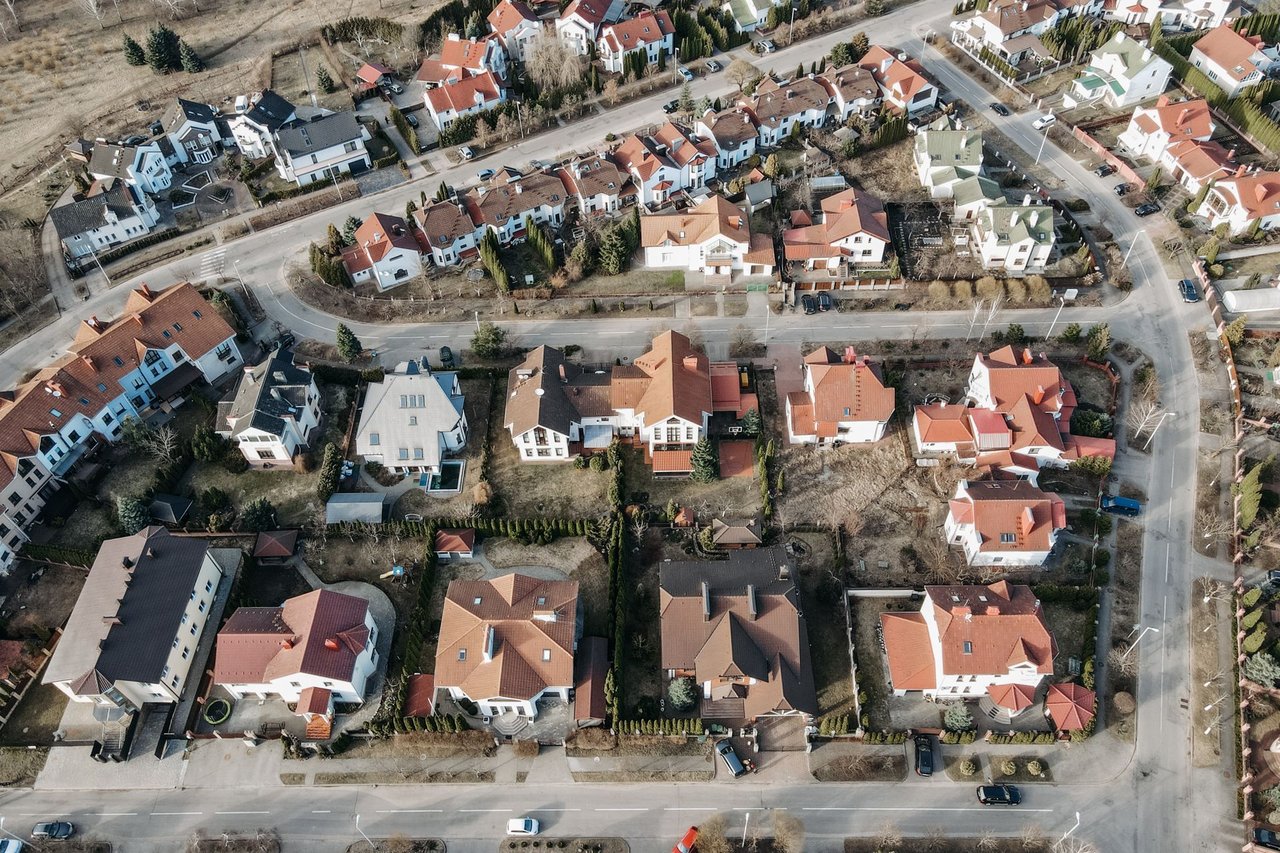
The 2026 summer housing market has slowed nationwide, giving buyers more time and leverage. Here's what it means for Orange County movers.

Fannie Mae and Freddie Mac's new condo underwriting rules could slow approvals and raise costs. Here's what Orange County buyers and sellers need to know.

A new federal housing law cuts red tape and boosts construction. Here is what it means for Orange County buyers, sellers, and investors.

Homebuyer affordability dropped for a fifth month in a row. Here's what it means for Orange County buyers and sellers and how to plan your next move.

New Redfin data reveals weather beats affordability as the top reason Americans relocate, and Orange County has exactly what movers are chasing.
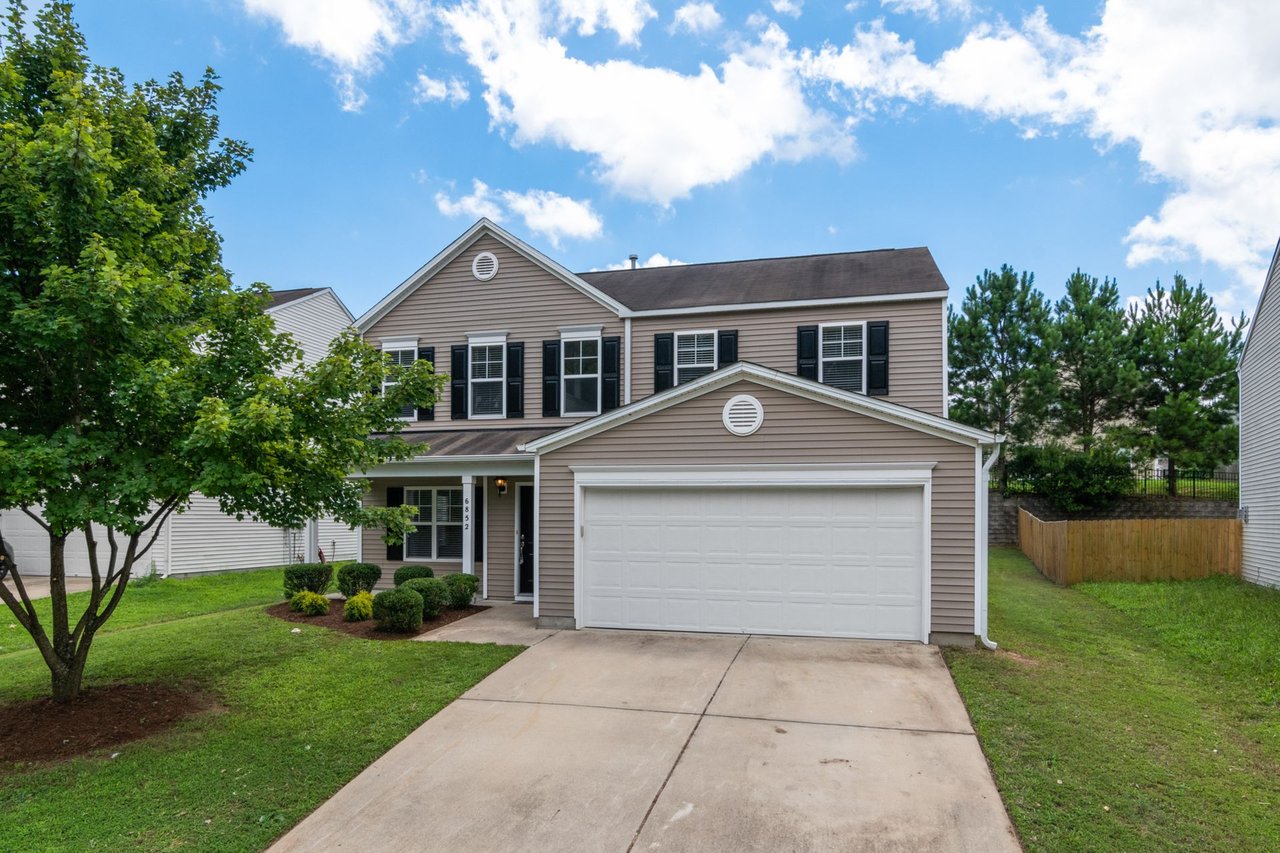
Pending home sales rose as mortgage rates briefly dipped. Here's what this summer housing market shift means for Orange County buyers and sellers.

Fed Governor Waller wants less forward guidance on rates. Here's what that means for Orange County buyers and sellers trying to time the market.
Let's find a time that suits you best to chat about your goals, show you how we work, and figure out how we can help you the most
Get In Touch With Lisa

Broker Associate
949-877-7087
124 Tustin Ave Suite 200, Newport Beach, CA 92663