February Housing Starts Surge, But Challenges Linger
Lisa Mailhot | March 23, 2025
Buyers

Lisa Mailhot | March 23, 2025
Buyers

New residential housing starts rose 11.2% from January, reaching an annual rate of 1.5 million units. While this is an encouraging sign for the market, it's still 2.9% lower than February 2024.
Single-family homes saw a similar jump, climbing 11.4% to 1.1 million units. Experts at First American credit this rebound to builders pushing forward after January’s setbacks, which included colder-than-usual weather, mortgage rates crossing the 7% threshold, and builder pessimism over affordability and supply-side issues.
While construction starts were up, building permits dipped slightly. Total housing permits fell 1.2% from January, landing at an annual rate of 1.46 million, with single-family permits slipping just 0.2% to 992,000.
On the completion side, the numbers moved in different directions. Overall completions fell 4% from January and are down 6.2% from February 2024, reflecting ongoing supply chain and labor challenges. However, single-family home completions climbed 7.1%, bringing more move-in-ready homes to the market. This is particularly noticeable in the Northeast and Midwest, where completions surged after January’s sharp decline.
Despite the strong February numbers, builders are not in the clear. Rising material costs, labor shortages, and policy uncertainty continue to pressure the industry.
“Material costs are still about 40% higher than pre-pandemic levels,” said Odeta Kushi, Deputy Chief Economist at First American. She also pointed out that new tariff actions could add another $9,200 per home, making affordability an even bigger concern.
Adding to the challenge, competition from existing homes has picked up in key markets like Florida and Texas, where more sellers are coming back into the market.
While affordability remains a major issue, builders have tools to keep demand strong. Many are offering incentives and mortgage rate buydowns to attract buyers, a trend that will likely continue throughout the year. These strategies could help offset rising costs and keep the housing market moving forward.
The housing market is showing resilience, but headwinds remain. Builders are pushing forward despite challenges, and buyers may find opportunities as more homes hit the market. If you’re thinking about buying or selling in Orange County, now is the time to start planning. Let’s talk about your next move!
Reference: Hammiel, R. (2025, March 18). Housing starts beat expectations in February but headwinds loom. Inman.
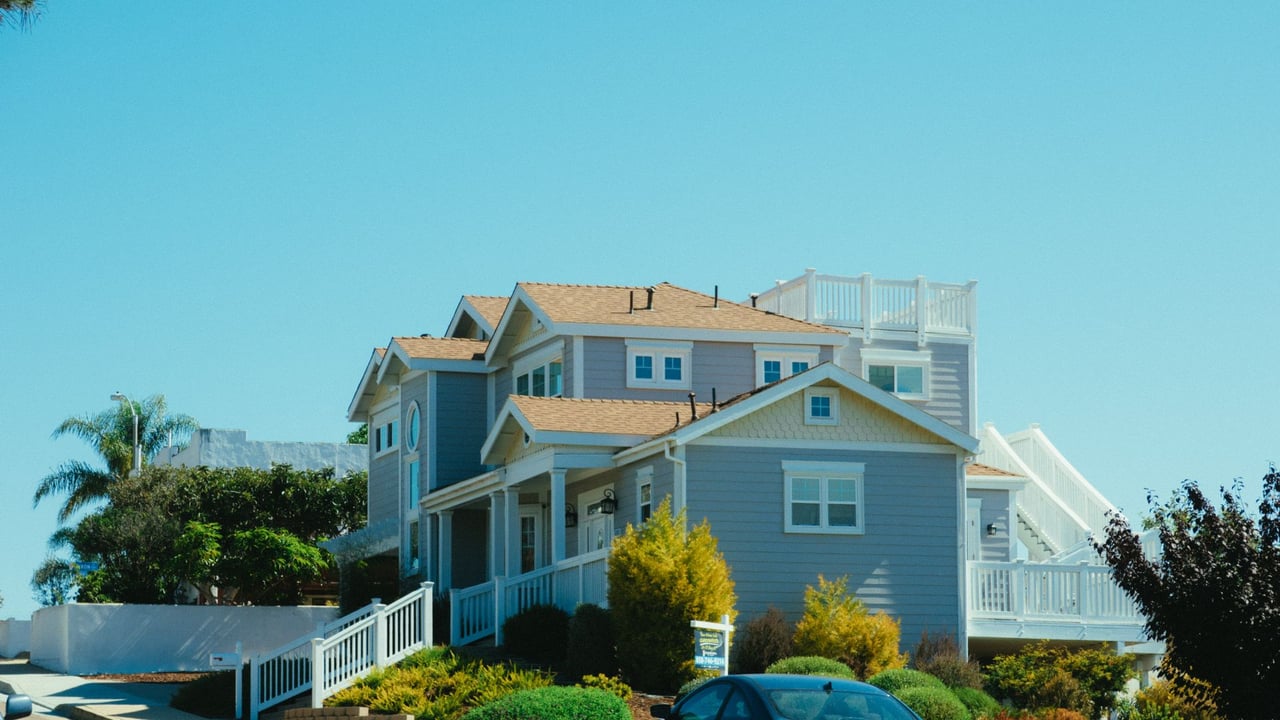
Homebuyer affordability dropped for a fifth month in a row. Here's what it means for Orange County buyers and sellers and how to plan your next move.
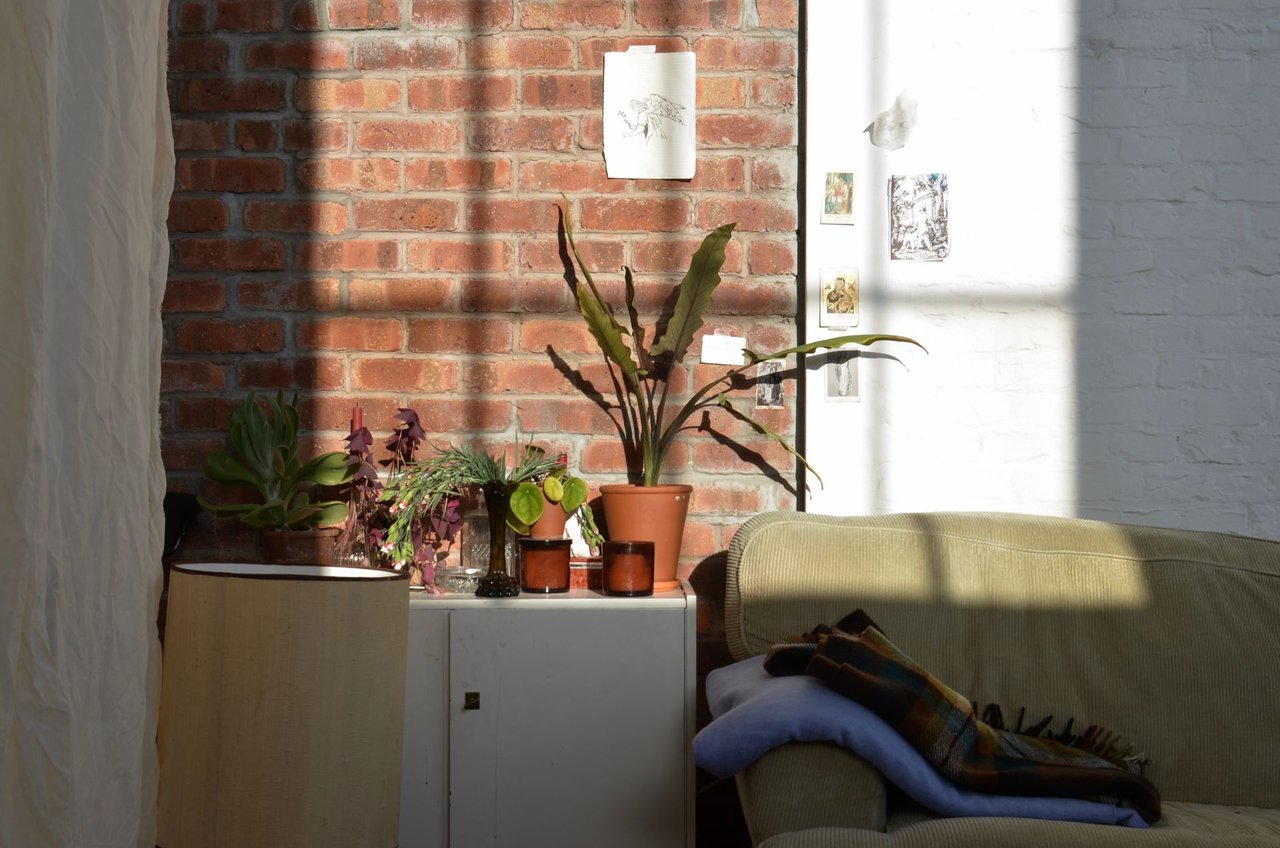
New Redfin data reveals weather beats affordability as the top reason Americans relocate, and Orange County has exactly what movers are chasing.
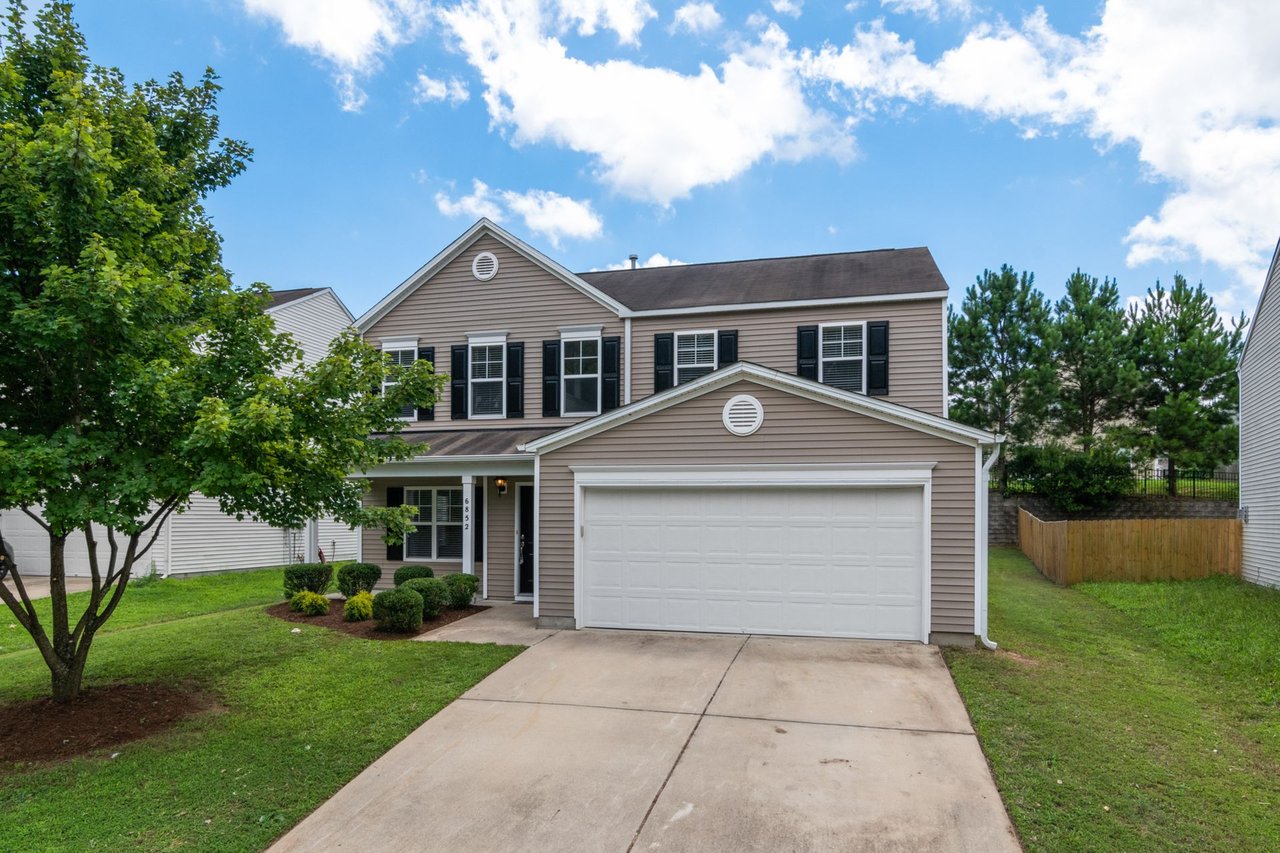
Pending home sales rose as mortgage rates briefly dipped. Here's what this summer housing market shift means for Orange County buyers and sellers.

Fed Governor Waller wants less forward guidance on rates. Here's what that means for Orange County buyers and sellers trying to time the market.
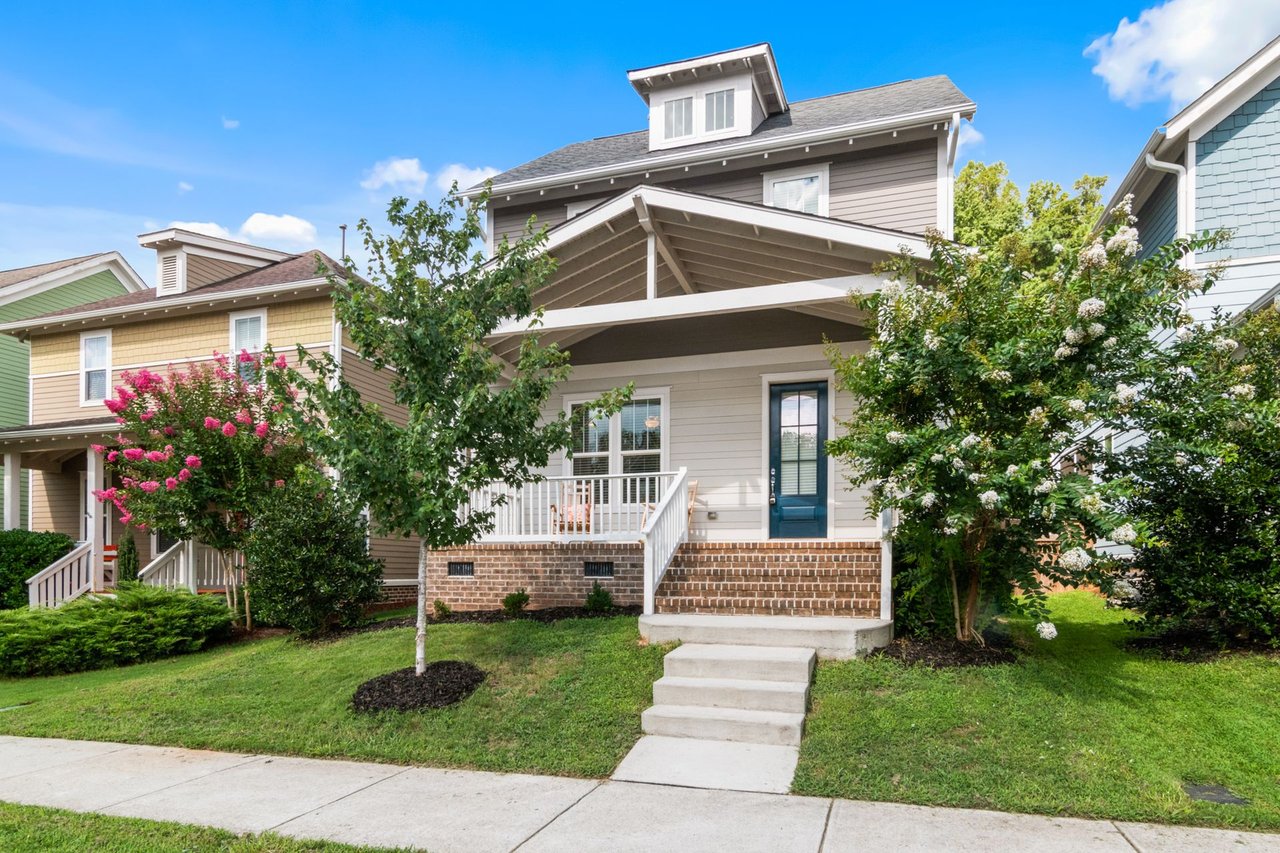
A new Redfin survey shows most homeowners feel their home reflects who they are. Here's what it means for Orange County buyers.
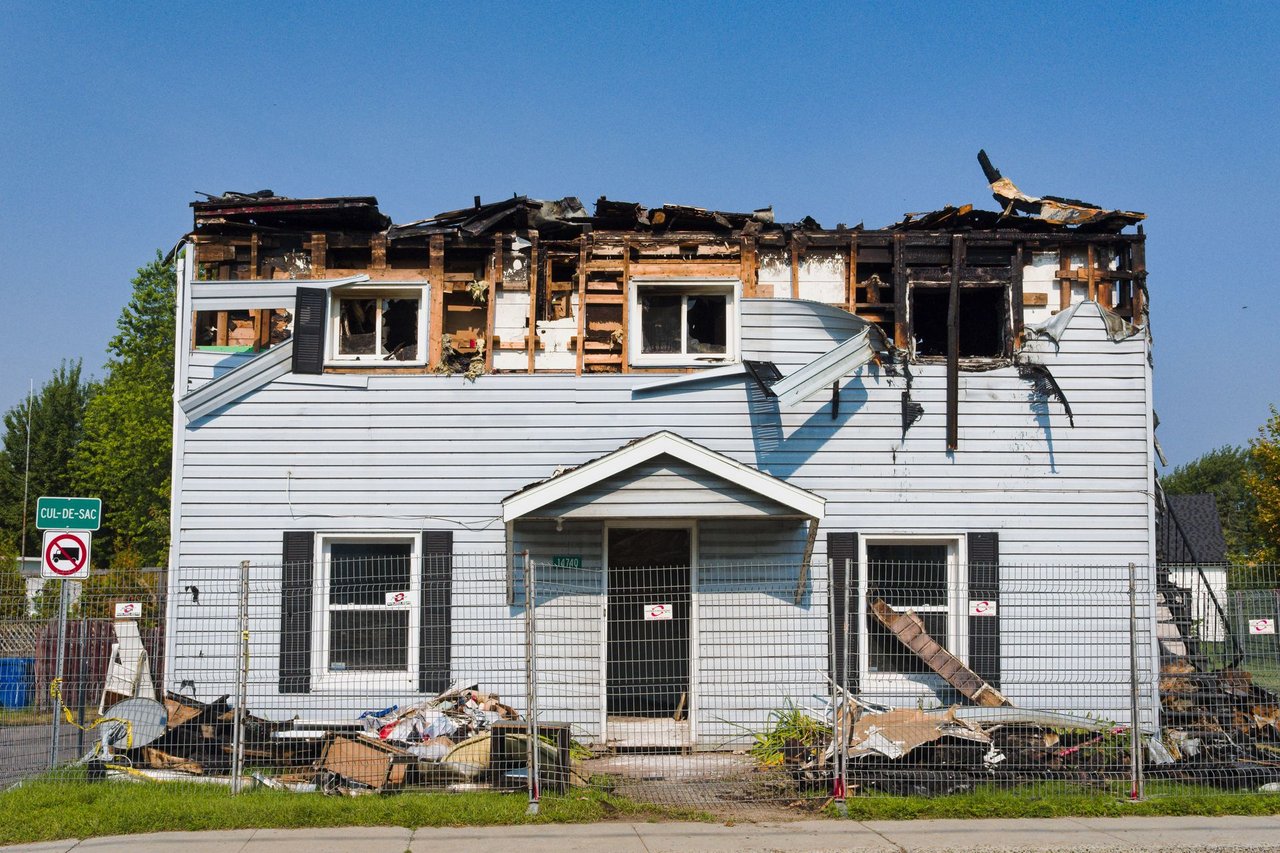
Harvard's 2026 housing report reveals deep affordability struggles nationwide. Here's what it means for Orange County buyers and sellers.
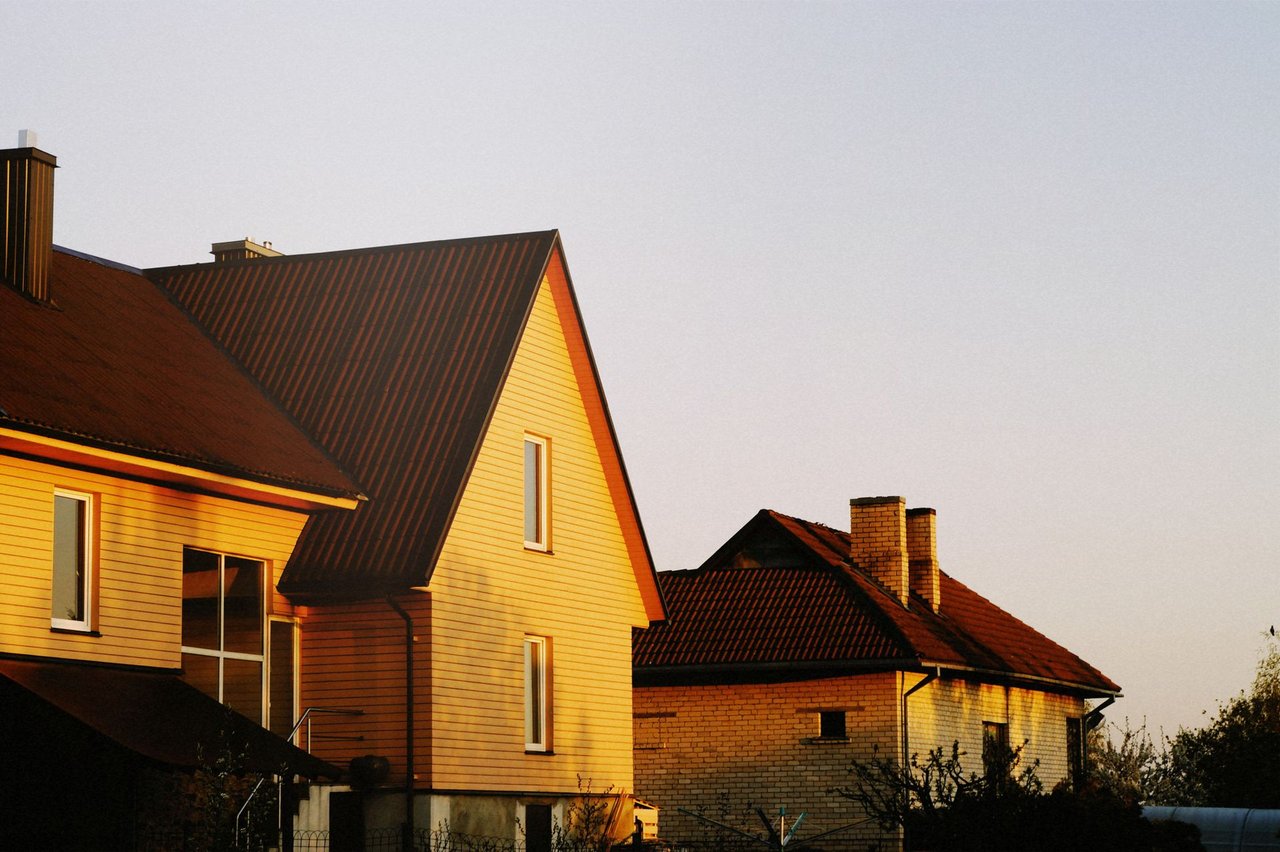
Mortgage rates hover in the mid-6% range this June. Here's what buyers and sellers in Orange County need to know right now.
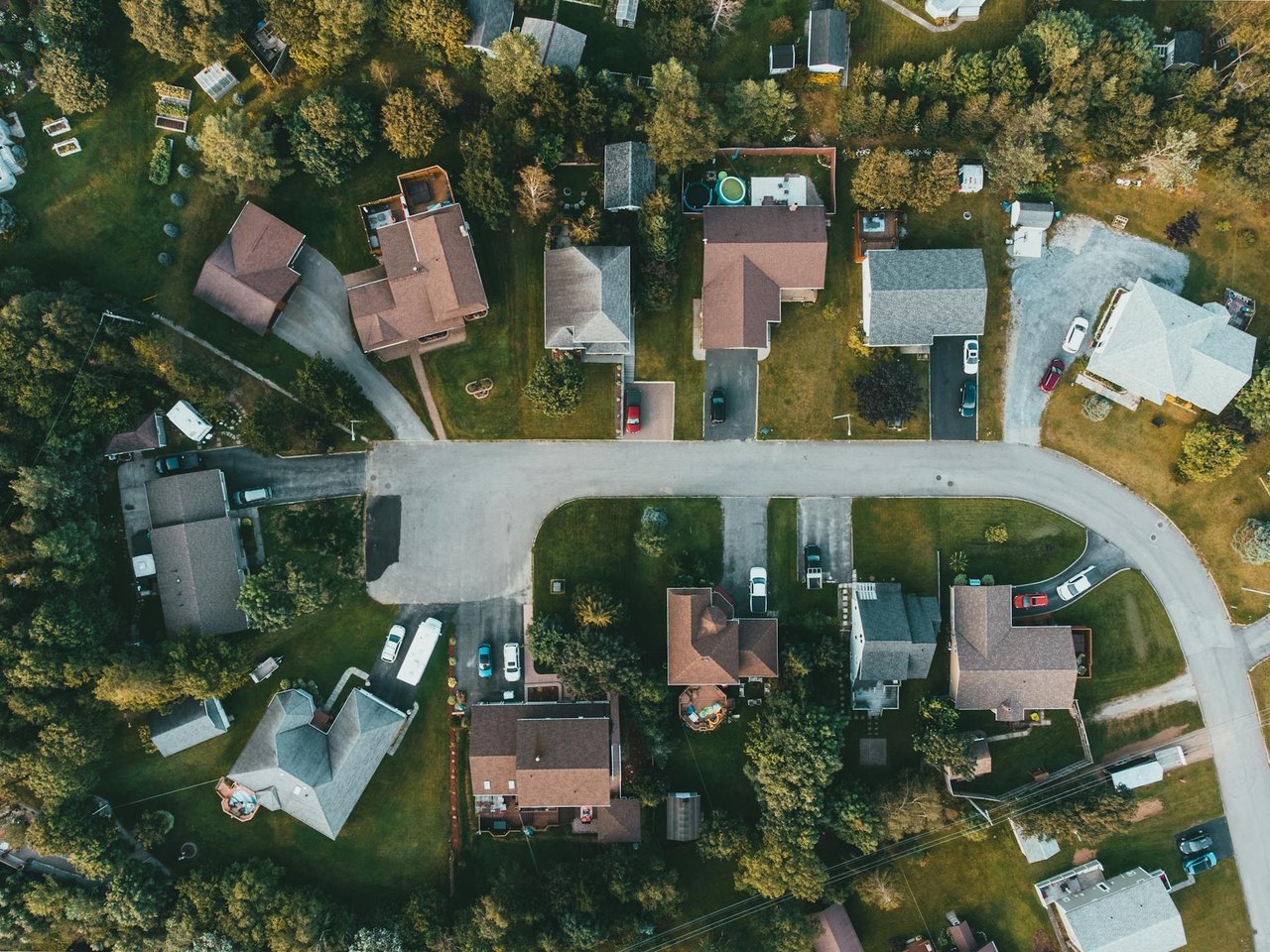
Home delistings hit near-record highs in April 2026. Learn what's driving sellers to pull listings and what it means for Orange County buyers and sellers.

Homeowners insurance premiums are climbing fast. Learn what's driving costs up and what it means for buyers and sellers in today's market.
Let's find a time that suits you best to chat about your goals, show you how we work, and figure out how we can help you the most
Get In Touch With Lisa
Broker Associate
949-877-7087
124 Tustin Ave Suite 200, Newport Beach, CA 92663