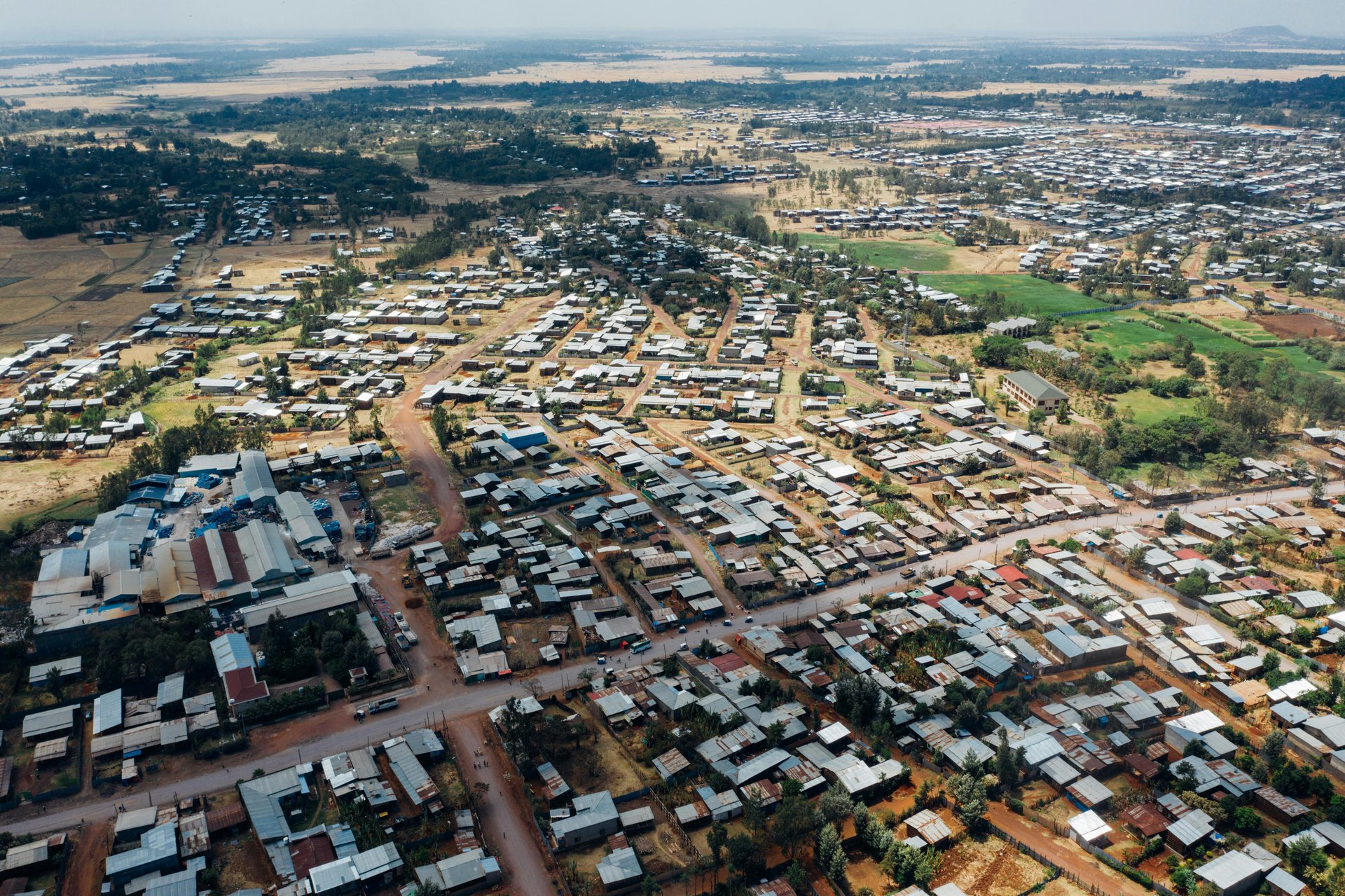
Why Are Builders Stopping New Apartment Projects?
Lisa Mailhot | May 5, 2025
Buyers

Lisa Mailhot | May 5, 2025
Buyers

Multifamily housing developers are rapidly hitting pause on new construction projects.
According to a new Redfin report, “building permits for multifamily units have plunged 27.1 percent from their pandemic-era highs,” reflecting the slowest pace for new rentals on record. While the demand for housing remains strong in many areas, construction has become significantly more risky and expensive for developers.
Redfin Senior Economist Sheharyar Bokhari states, “New apartments are being rented out at the slowest speed on record, and builders are pumping the brakes because elevated interest rates are making many projects prohibitively expensive.” With borrowing costs higher than they've been in years, fewer developers are willing to take the plunge on new multifamily projects.
During the height of the pandemic, the U.S. saw an average of 17 multifamily permits per 10,000 residents. That number has now dropped to just 12.4 permits per 10,000 people — a 5.5% decline from pre-pandemic levels. In fact, “63 percent of markets analyzed by Redfin saw a decline in multifamily permitting since the pandemic.”
Cities like Stockton, CA, and Colorado Springs, CO, have seen dramatic reductions—Stockton has gone to zero, and Colorado Springs has dropped 82%. Yet a few metros are bucking the trend, with Oklahoma City and Austin leading in new multifamily permits.
It’s not just interest rates making developers think twice. Construction material costs remain inflated, worsened by tariffs imposed under the Trump administration. The combined effects of elevated borrowing costs, slower rent growth, and high material prices are creating an uncertain landscape for multifamily builders.
While the slowdown might relieve concerns about overbuilding in the short term, Redfin warns that “today’s slowdown could become tomorrow’s supply crunch.” With fewer units being built now, renters could soon find themselves facing limited options and increasing rental prices — a trend that savvy investors may want to monitor closely.
In an environment where building has become more difficult nationwide, Orange County remains a highly desirable place to live, invest, and build wealth through real estate. As inventory tightens and multifamily construction slows, local housing will likely remain in high demand. If you're thinking about buying, selling, or investing in Orange County real estate, now is the time to act strategically.
Let’s talk about how you can take your next step in one of the most desirable real estate markets in Southern California.
Reference: Hammiel, R. (2025, May 5). Here’s why builders are slamming the brakes on new apartments. Inman.
Homebuyer affordability dropped for a fifth month in a row. Here's what it means for Orange County buyers and sellers and how to plan your next move.
New Redfin data reveals weather beats affordability as the top reason Americans relocate, and Orange County has exactly what movers are chasing.
Pending home sales rose as mortgage rates briefly dipped. Here's what this summer housing market shift means for Orange County buyers and sellers.

Fed Governor Waller wants less forward guidance on rates. Here's what that means for Orange County buyers and sellers trying to time the market.
A new Redfin survey shows most homeowners feel their home reflects who they are. Here's what it means for Orange County buyers.
Harvard's 2026 housing report reveals deep affordability struggles nationwide. Here's what it means for Orange County buyers and sellers.

Mortgage rates hover in the mid-6% range this June. Here's what buyers and sellers in Orange County need to know right now.
Home delistings hit near-record highs in April 2026. Learn what's driving sellers to pull listings and what it means for Orange County buyers and sellers.
Homeowners insurance premiums are climbing fast. Learn what's driving costs up and what it means for buyers and sellers in today's market.
Let's find a time that suits you best to chat about your goals, show you how we work, and figure out how we can help you the most
Get In Touch With Lisa
Broker Associate
949-877-7087
124 Tustin Ave Suite 200, Newport Beach, CA 92663