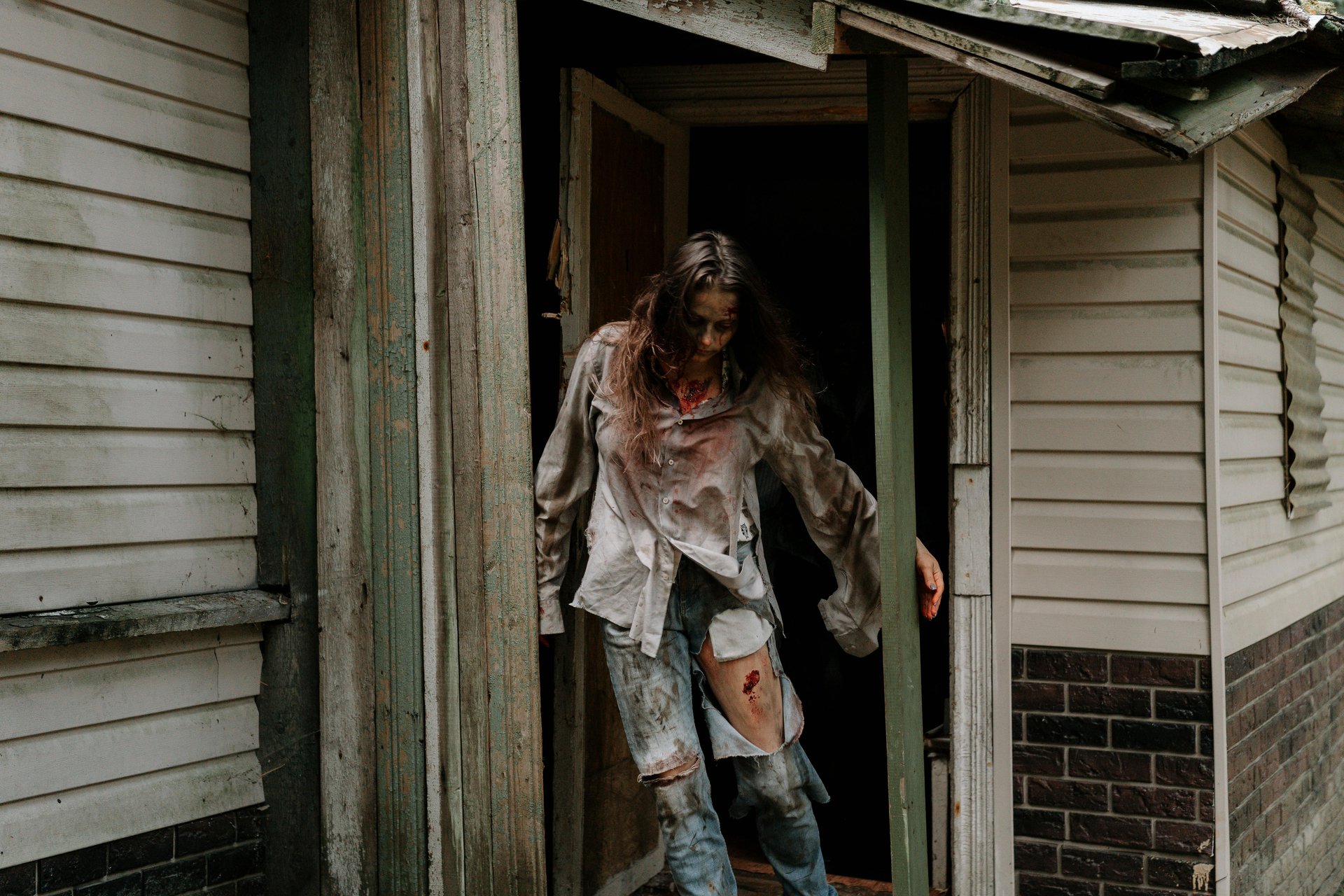
Zombie Foreclosures Are Slowly Creeping Back
Lisa Mailhot | March 4, 2025
Buyers

Lisa Mailhot | March 4, 2025
Buyers
Zombie foreclosures may sound eerie, but they represent a tangible issue in some neighborhoods. It happens when a homeowner leaves their property after receiving a foreclosure notice but before the bank officially repossesses it. Many homeowners mistakenly believe they must vacate immediately, though they still legally own and are responsible for the property until the foreclosure process is completed.
These vacant homes can fall into disrepair, becoming eyesores and impacting the value of surrounding properties. According to ATTOM Data Solutions, 1 in every 14,668 homes in the U.S. has been vacated due to foreclosure.
While zombie foreclosures are still relatively rare, several economic factors have contributed to the recent uptick:
1. High Mortgage Rates: With rates hovering around 7%, many homeowners are struggling to keep up with monthly payments, leading to more defaults.
2. Declining Affordability: Rising home prices in many markets have priced out buyers, leading to longer listing times and making it harder for distressed homeowners to sell before foreclosure.
3. Misunderstanding the Process: A common driver of zombie foreclosures is the misconception that homeowners must vacate immediately after a foreclosure notice. Many abandon their homes prematurely, unaware they’re still legally responsible.
4. Economic Pressures: Inflation and job market shifts in some regions have left homeowners financially vulnerable, increasing foreclosure risks.
ATTOM’s latest report highlights five states where zombie foreclosures have increased in the first quarter of 2025:
Missouri – An 85% increase, rising from 27 to 50 zombie homes.
Michigan – A 51% rise, from 55 to 83 vacant properties.
South Carolina – A 31% uptick, from 74 to 97 homes.
Indiana – A 28% increase, from 215 to 276 zombie foreclosures.
Kansas – A 26% rise, growing from 69 to 87 abandoned homes.
While the numbers are still modest, these increases can have outsized effects on local communities, leading to declining property values and potential neighborhood blight.
Certain metro areas are experiencing higher concentrations of zombie foreclosures. ATTOM’s data shows that both Miami-Fort Lauderdale-West Palm Beach, FL and New York-Newark-Jersey City, NY/NJ have 747 vacant properties in pre-foreclosure this quarter. Other cities seeing similar spikes include:
Chicago-Naperville-Elgin, IL – 472 zombie homes
Tampa-St. Petersburg-Clearwater, FL – 324 vacant homes
Cleveland-Elyria, OH – 201 zombie properties
Vacant homes in these areas can lead to neighborhood deterioration, lower home values, and even increased crime rates.
One of the most misunderstood aspects of zombie foreclosures is the legal responsibility that remains with the homeowner after they abandon the property. Even after receiving a foreclosure notice, homeowners:
Retain legal ownership until the foreclosure is finalized.
Remain responsible for property maintenance, including lawn care, repairs, and code compliance.
Can face legal consequences such as fines for neglect or violations related to the abandoned property.
May still be liable for homeowner association dues, property taxes, and other fees.
It’s crucial for homeowners to understand these responsibilities to avoid additional legal and financial complications.
Even though Orange County haven’t seen significant zombie foreclosure activity, understanding the broader trends can help buyers and sellers make smarter decisions.
For Buyers: Zombie foreclosures can present opportunities to buy below market value. However, these homes may come with repair needs and legal complexities.
For Sellers: A nearby zombie foreclosure can impact your home’s value. It’s essential to monitor local listings and take proactive steps to keep your property marketable.
For Investors: These properties can offer significant returns for investors willing to take on renovations. But due diligence is key—legal and structural issues are common in abandoned homes.
If you're buying, selling, or investing in Orange County, staying ahead of market trends is essential. Whether you're seeking new opportunities or protecting your property’s value, I’m here to help you make informed decisions.
Ready to make your next move? Connect with me, and let’s turn your real estate goals into reality.
Reference: Dumandan, J. (2025, February 21). REVEALED: Zombie Foreclosures Are on the Rise in 5 States. Realtor.com.
Harvard's 2026 housing report reveals deep affordability struggles nationwide. Here's what it means for Orange County buyers and sellers.
Mortgage rates hover in the mid-6% range this June. Here's what buyers and sellers in Orange County need to know right now.
Home delistings hit near-record highs in April 2026. Learn what's driving sellers to pull listings and what it means for Orange County buyers and sellers.
Homeowners insurance premiums are climbing fast. Learn what's driving costs up and what it means for buyers and sellers in today's market.

Pending home sales drop for the second week as mortgage rates hit a 10-month high. Here's what it means for buyers and sellers today.

Housing affordability improved for 7 straight months. Learn what falling income requirements mean for buyers and sellers in Orange County and beyond.

Price cuts fell slightly in April 2026 as buyer demand rebounds. See what this means for Orange County buyers and sellers right now.
U.S. home prices rose 2.4% in April 2026, the biggest gain in 13 months. Here's what buyers and sellers in Orange County need to know now.
The U.S. housing market still favors buyers, but the gap is shrinking. Here's what April 2026 data means for Orange County.
Let's find a time that suits you best to chat about your goals, show you how we work, and figure out how we can help you the most
Get In Touch With Lisa
Broker Associate
949-877-7087
124 Tustin Ave Suite 200, Newport Beach, CA 92663